Croatia's 2021 census counted 13,817 people who declared themselves Albanian — 0.36 percent of the country, down from 17,513 a decade earlier. But the census is a floor, not a measure. It misses most of the 9,000 to 11,000 Kosovo and Albanian citizens who hold a valid Croatian residence permit at any year-end, and it does not see the Arbanasi of Zadar at all, a community that has spoken Albanian for 300 years and ticks “Croat”. Here are the figures by county and town, the history from 1726 to the summer of 2026, and the community today. Count everyone with Albanian roots, language or passport who lives in Croatia in a given year, and the realistic figure is between 24,000 and 27,000.
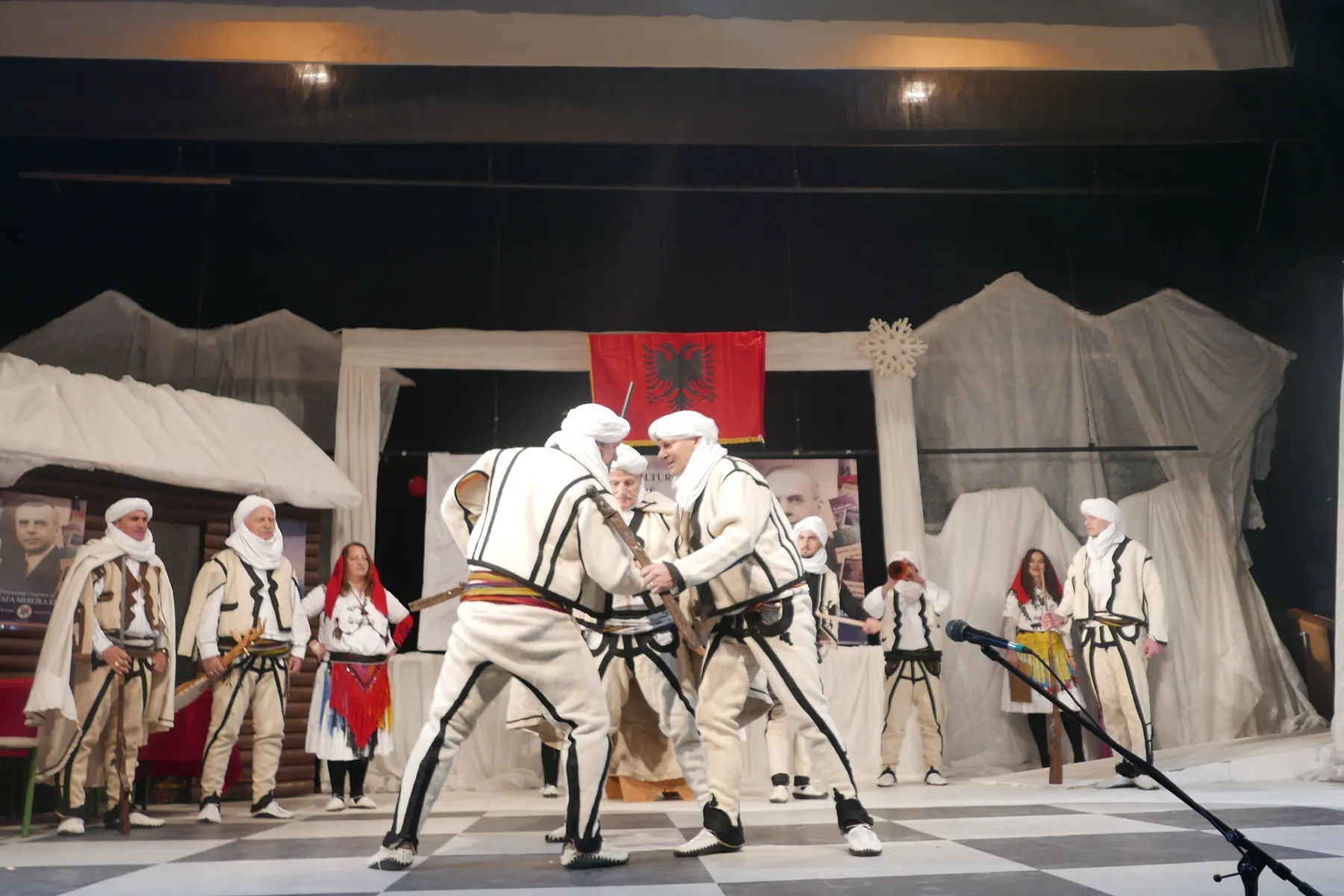
On 6 May 2026 the ceremonial hall of the University of Zadar filled for a Svečana akademija — a formal academy marking 300 years since the first families from the villages below Lake Skadar landed at Zadar. The mayor was there, the county prefect, a delegation of the Kosovo Academy of Sciences. Most of the Arbanasi in the room would tell a census-taker they are Croats, and they would be right. Yet the songs that evening were in an Albanian that Shkodër would recognise, three centuries and a Čakavian accent later. That is the thing to understand about Albanians in Croatia: the community is older than any Albanian state, and the census only ever sees part of it.
How many Albanians live in Croatia?
The official answer is precise and incomplete. In the census taken on 31 August 2021, 13,817 residents of Croatia declared Albanian ethnicity, 0.36 percent of a population of 3,871,833. A separate question found 13,503 people with Albanian as their mother tongue. Both figures come from the Croatian Bureau of Statistics (DZS), and both are lower than in 2011, when 17,513 people declared themselves Albanian — the peak of a series that runs from 635 in the 1948 Yugoslav census to 4,175 in 1971, 12,032 in 1991 and 15,082 in 2001.
For more on this topic, read Albanians in Switzerland: 2026 Facts & Figures and Albanians in Montenegro: population, history and identity.
The fall between 2011 and 2021 is real, but it is not a story about Albanians leaving Croatia in particular. The whole country shrank by 413,056 people, 9.64 percent, in the same decade, as emigration to Germany, Austria and Ireland followed EU accession in 2013. Albanians declared in the census fell by 21 percent, Croatia by nearly 10. Some of the gap is emigration; some is the choice, which the community's own MP described in 2019, of families who declare themselves Croats or simply “Muslims” on the form.
Three more official numbers sit beside the 13,817 and must not be added to it naively. The 2021 census counted 16,670 residents born in Kosovo — but that column includes the Janjevci and other Kosovo Croats, Serbs and Gorani, so it is not an Albanian count. It counted only 1,199 citizens of Kosovo and 313 citizens of Albania as residents, because a resident is someone who has lived in Croatia for twelve months or intends to. And it listed 980 people under a separate heading, “Kosovar”, that did not exist as a category in most families' minds before the state did.

Why the census figure is a floor
| Layer | People |
|---|---|
| Declared Albanian ethnicity, census 2021 | 13,817 |
| Add the 980 who wrote “Kosovar” instead | + 980 |
| Add Kosovo and Albanian citizens holding a valid permit on 31 December 2021 but not counted as residents: the 6,447 Kosovo permits scaled by the 91.8 percent Albanian share in Kosovo's own 2024 census, plus the 2,588 Albanian permits, minus the 1,512 citizens the census did count | + 6,992 |
| = Albanian-speaking community present in Croatia | 21,789 |
| Add the Arbanasi of Zadar, 2,000–3,000 people of Albanian origin who declare as Croats | + 2,000–3,000 |
| = Everyone of Albanian origin, language or passport | 23,789–24,789 |
| The community's own estimate, given by MP Ermina Lekaj Prljaskaj in 2019 | ≈ 30,000 |
The permit layer moves with the year: on 31 December 2023 Kosovo citizens held 8,077 valid permits and Albanian citizens 3,265, which pushes the same arithmetic to about 27,000 once the Arbanasi are included; at the end of 2025 the stocks were 6,702 and 2,516. None of these layers is a count of people who feel Albanian, and the 2021 declared count is carried forward unchanged; together they bound the community rather than measure it. Sources: DZS, Popis 2021 (ethnicity, citizenship, place of birth); Eurostat, valid residence permits by citizenship; Kosovo Agency of Statistics, 2024 census; Hrvatska enciklopedija, “Albanci”; Insajderi/RTV Dukagjini, 24 June 2019.

Where in Croatia do Albanians live?
Ranked by numbers, the Albanian Croatia is the capital and the coast. The City of Zagreb had 3,475 declared Albanians in 2021, a quarter of the national total. Then come Istria with 2,055, Primorje-Gorski Kotar around Rijeka with 1,771, Split-Dalmatia with 864, Zadar County with 781 and Zagreb County with 771. Osijek-Baranja, the one inland county with a sizeable community, had 681.
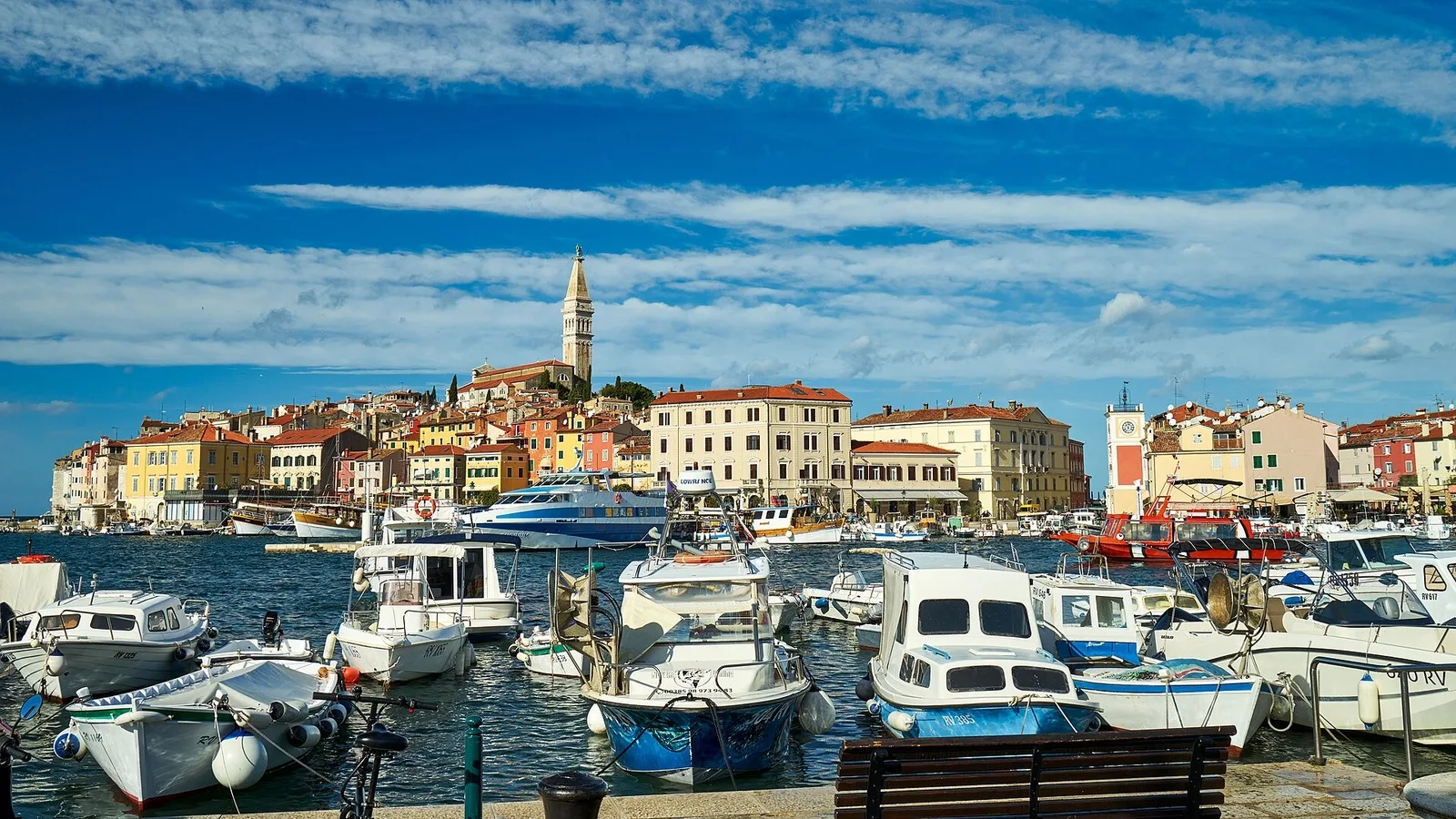
Ranked by share of population the map turns around. Istria is the only county where Albanians pass one percent of residents — 1.05 percent — and inside Istria the coastal towns run far higher: 4.29 percent in the municipality of Medulin south of Pula, 2.50 percent in Rovinj, 2.16 percent in Poreč, 2.29 percent in Novigrad. On the Kvarner side, Crikvenica is at 2.07 percent and Mali Lošinj at 1.95. Zagreb, with the most Albanians of any place, is at 0.45 percent.
Every county lost declared Albanians between 2011 and 2021, but not evenly. Zagreb went from 4,292 to 3,475, Primorje-Gorski Kotar from 2,410 to 1,771, Istria from 2,393 to 2,055. Bjelovar-Bilogora, whose figure is carried by two villages — Velika Pisanica, where 72 Albanians are 5.48 percent of the population, and Nova Rača at 2.79 percent — fell from 743 to 469. Velika Pisanica is the one place in Croatia where an Albanian was elected to a municipal council in the 2021 local elections, and one of the schools that teaches Albanian language and culture.

| County | Declared Albanians | Share of residents | Albanian mother tongue | Change 2011–2021 |
|---|---|---|---|---|
| City of Zagreb | 3,475 | 0.45% | 3,300 | −817 |
| Istria | 2,055 | 1.05% | 1,891 | −338 |
| Primorje-Gorski Kotar | 1,771 | 0.67% | 2,022 | −639 |
| Split-Dalmatia | 864 | 0.20% | 871 | −161 |
| Zadar | 781 | 0.49% | 767 | −127 |
| Zagreb County | 771 | 0.26% | 801 | −150 |
| Osijek-Baranja | 681 | 0.26% | 630 | −184 |
| Bjelovar-Bilogora | 469 | 0.46% | 416 | −274 |
| Sisak-Moslavina | 407 | 0.29% | 346 | −169 |
| Šibenik-Knin | 392 | 0.41% | 376 | +13 |
| Vukovar-Srijem | 342 | 0.24% | 303 | −150 |
| Dubrovnik-Neretva | 308 | 0.27% | 323 | −100 |
| Croatia | 13,817 | 0.36% | 13,503 | −3,696 |
Source: DZS, Popis 2021 · Popis 2011.
Inside Zagreb: Peščenica, Dubrava, Trešnjevka
Inside the capital the community follows the same logic as in Zurich or Munich: the working districts, not the centre. Peščenica–Žitnjak in the south-east has the most Albanians of any city district, 495, and the highest share, 0.93 percent. Gornja Dubrava (301), Trešnjevka-sjever (289), Stenjevec (285), Novi Zagreb-zapad (244) and Sesvete (240) follow. The old core, Donji Grad, has 131.
The Council of the Albanian National Minority of the City of Zagreb, elected on 7 May 2023 with 25 members, represents these 3,475 people — and had 3,935 registered minority voters that year, a reminder that the electoral register and the census disagree about who is Albanian in Zagreb.
| City district | Declared Albanians | Share of residents |
|---|---|---|
| Peščenica – Žitnjak | 495 | 0.93% |
| Gornja Dubrava | 301 | 0.52% |
| Trešnjevka – sjever | 289 | 0.55% |
| Stenjevec | 285 | 0.53% |
| Novi Zagreb – zapad | 244 | 0.38% |
| Sesvete | 240 | 0.34% |
| Maksimir | 214 | 0.45% |
| Novi Zagreb – istok | 214 | 0.38% |
Source: DZS, Popis 2021.
The Istrian and Kvarner coast
The coast is where Albanians became, in a sense, Croatian small business. Rijeka is the largest single town outside Zagreb with 522 declared Albanians — and 757 people who gave Albanian as their mother tongue, a language count half again as large as the identity count, which is the clearest sign in the whole census of families who speak Albanian at home and write something else on the form. Zadar has 458, Pula 440, Poreč 359, Osijek 353, Rovinj 324, Medulin 281, Split 266 and Crikvenica 207.
A 2011 profile in Glas Istre put it bluntly: the most attractive shop premises on the Istrian coast are owned by Albanian entrepreneurs, jewellers from Kosovo and confectioners from western Macedonia. Novigrad's first pastry shop, Europa, was opened in 1964 by Ruždi Hasipi from Gostivar. Those families are the reason the share in Rovinj, Poreč and Medulin runs six to twelve times the national one.

| Town or municipality | County | Declared Albanians | Share of residents | Albanian mother tongue |
|---|---|---|---|---|
| Rijeka | Primorje-Gorski Kotar | 522 | 0.48% | 757 |
| Zadar | Zadar | 458 | 0.65% | 447 |
| Pula | Istria | 440 | 0.84% | 384 |
| Poreč | Istria | 359 | 2.16% | 313 |
| Osijek | Osijek-Baranja | 353 | 0.37% | 323 |
| Rovinj | Istria | 324 | 2.50% | 309 |
| Medulin | Istria | 281 | 4.29% | 275 |
| Split | Split-Dalmatia | 266 | 0.17% | 246 |
| Crikvenica | Primorje-Gorski Kotar | 207 | 2.07% | 243 |
| Velika Gorica | Zagreb County | 192 | 0.31% | 187 |
| Umag | Istria | 184 | 1.45% | 176 |
| Šibenik | Šibenik-Knin | 172 | 0.40% | 181 |
Source: DZS, Popis 2021.
The Arbanasi of Zadar: 300 years of Albanian on the Adriatic
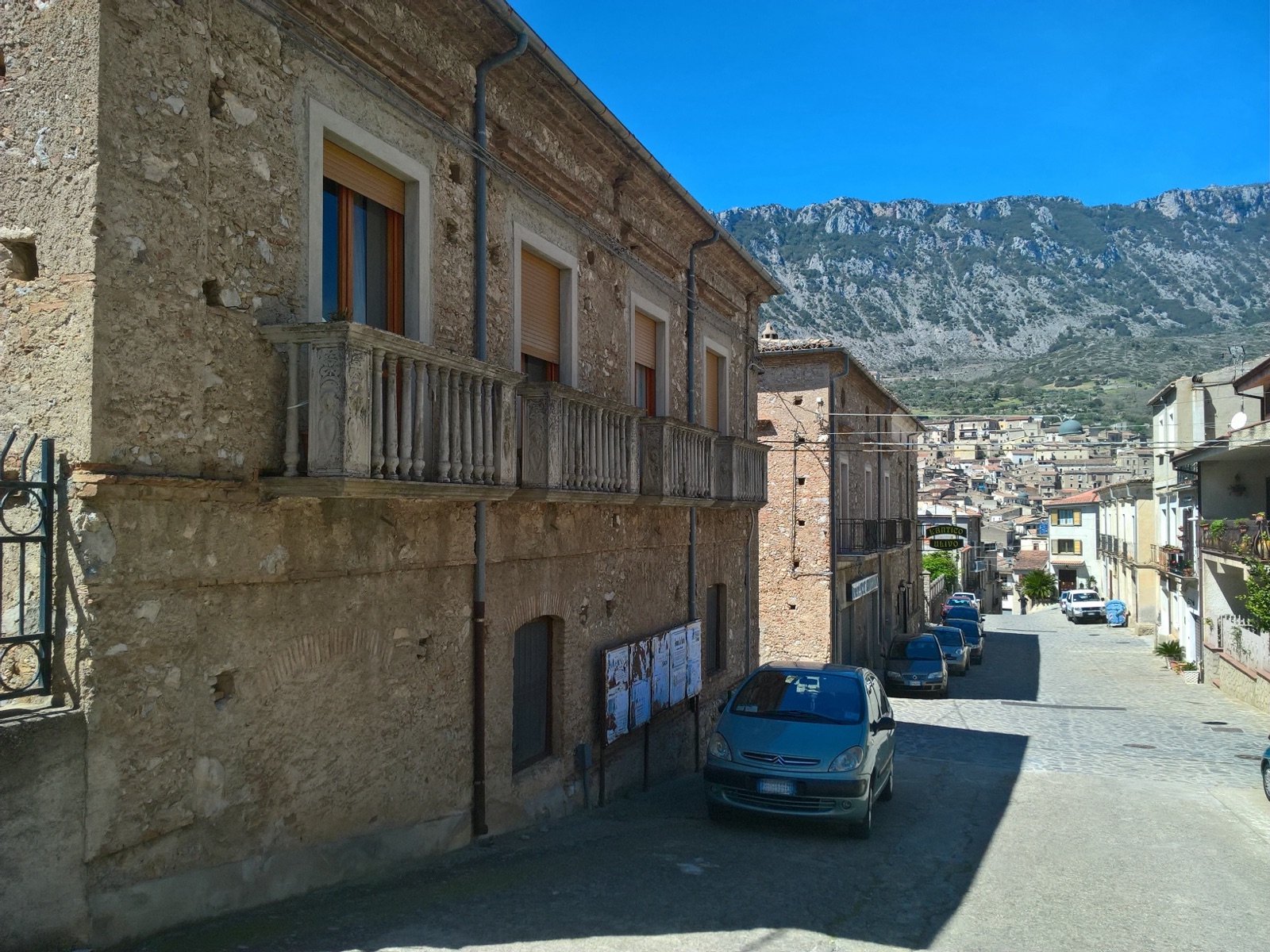
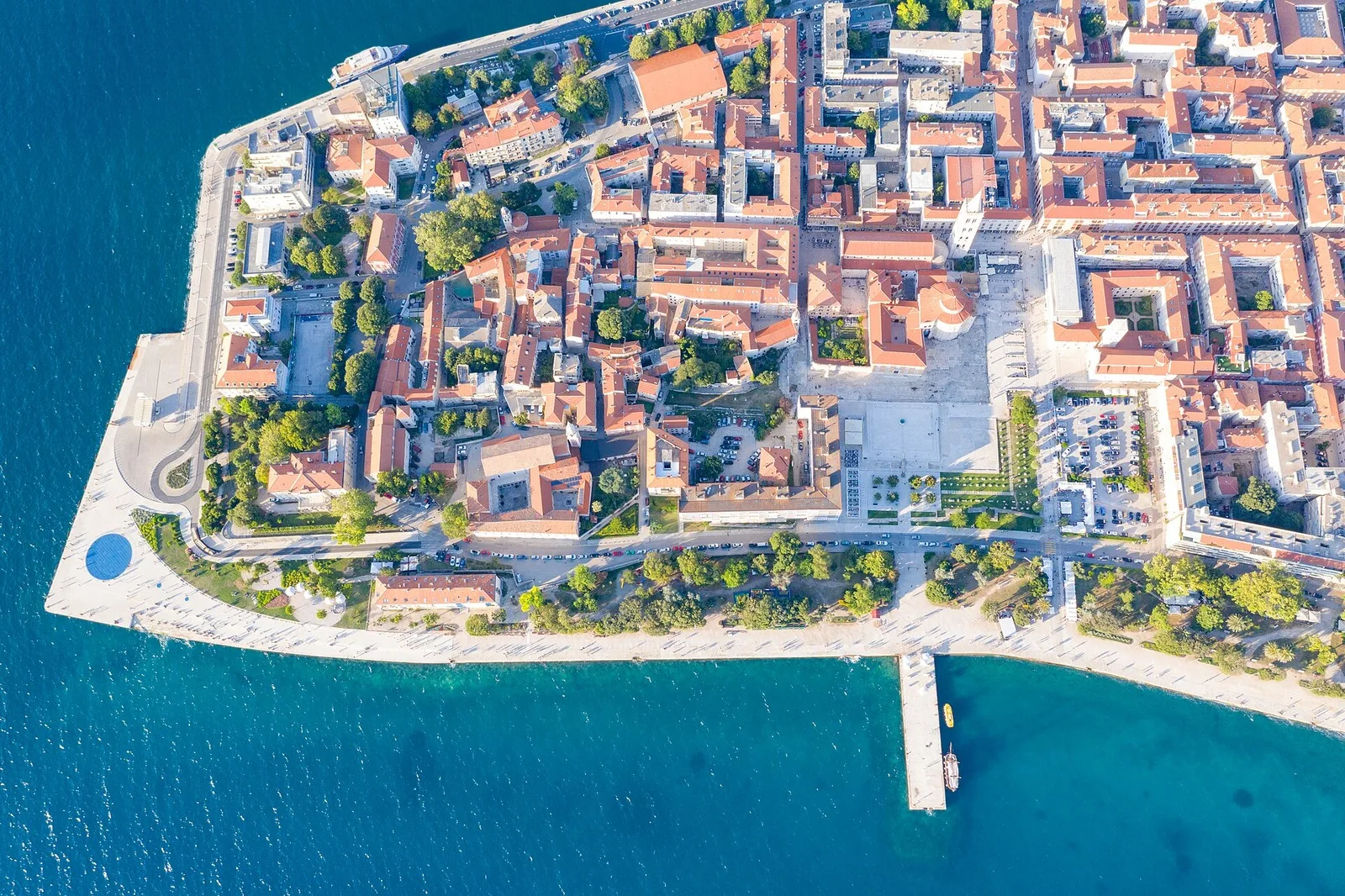
Zadar's southern suburb is called Arbanasi. Its people call themselves Arbanasi too, and their speech — arbanaški govor in Croatian, arbënishtja in their own language — is the oldest continuously spoken Albanian in Croatia, older than the Albanian state, older than the unified Albanian alphabet. In 2026 the city marked its 300th anniversary with a programme of more than 65 events.
An archbishop, three villages and a suburb called Borgo Erizzo
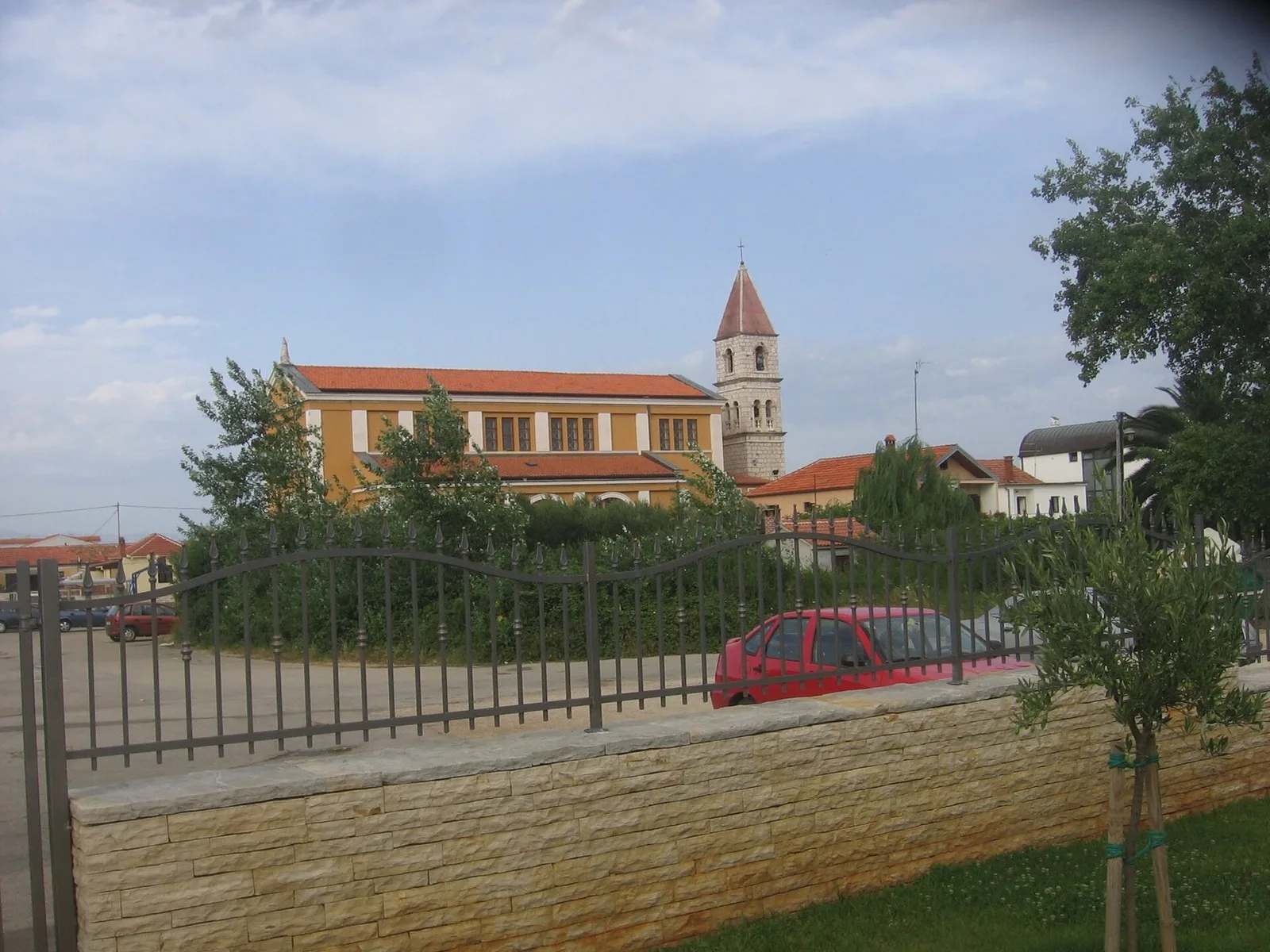
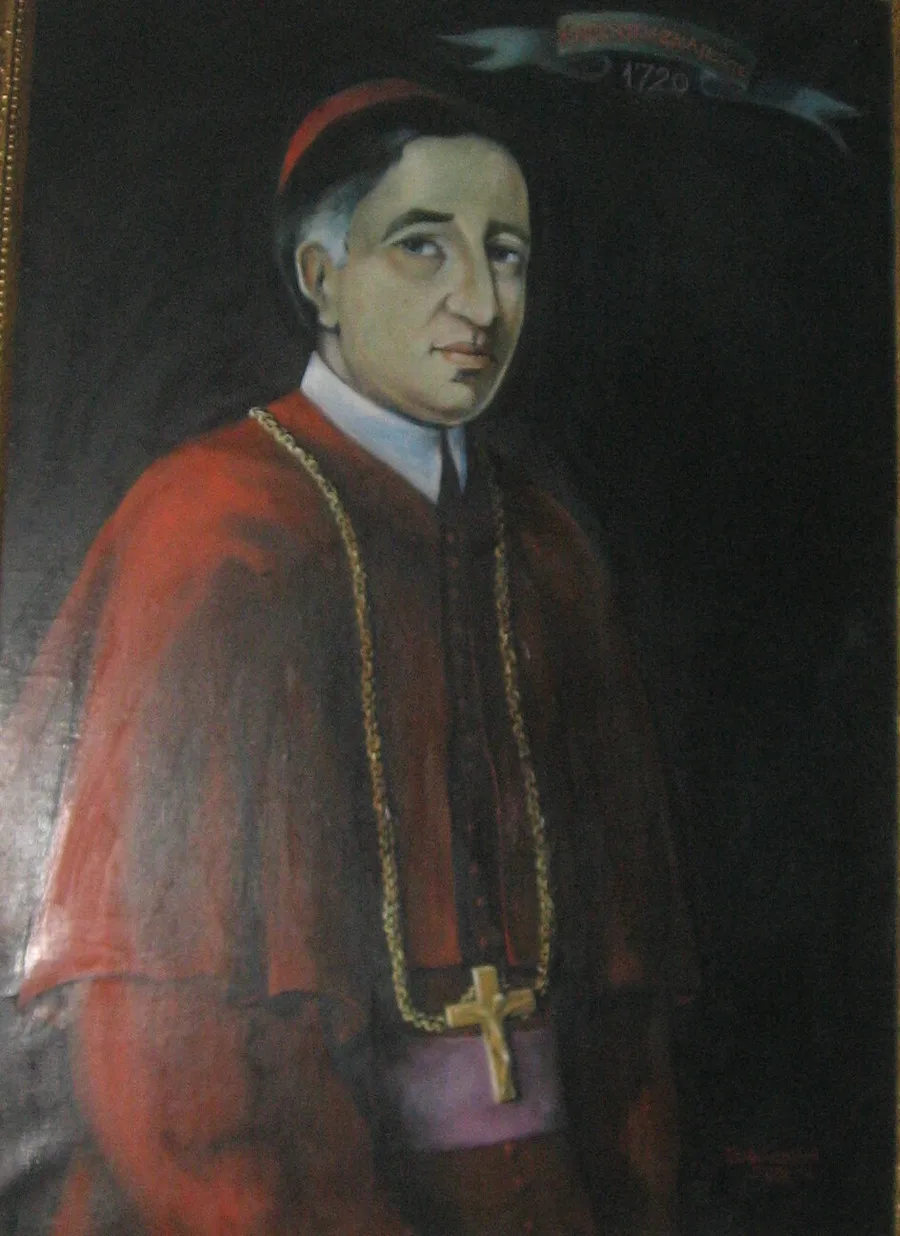
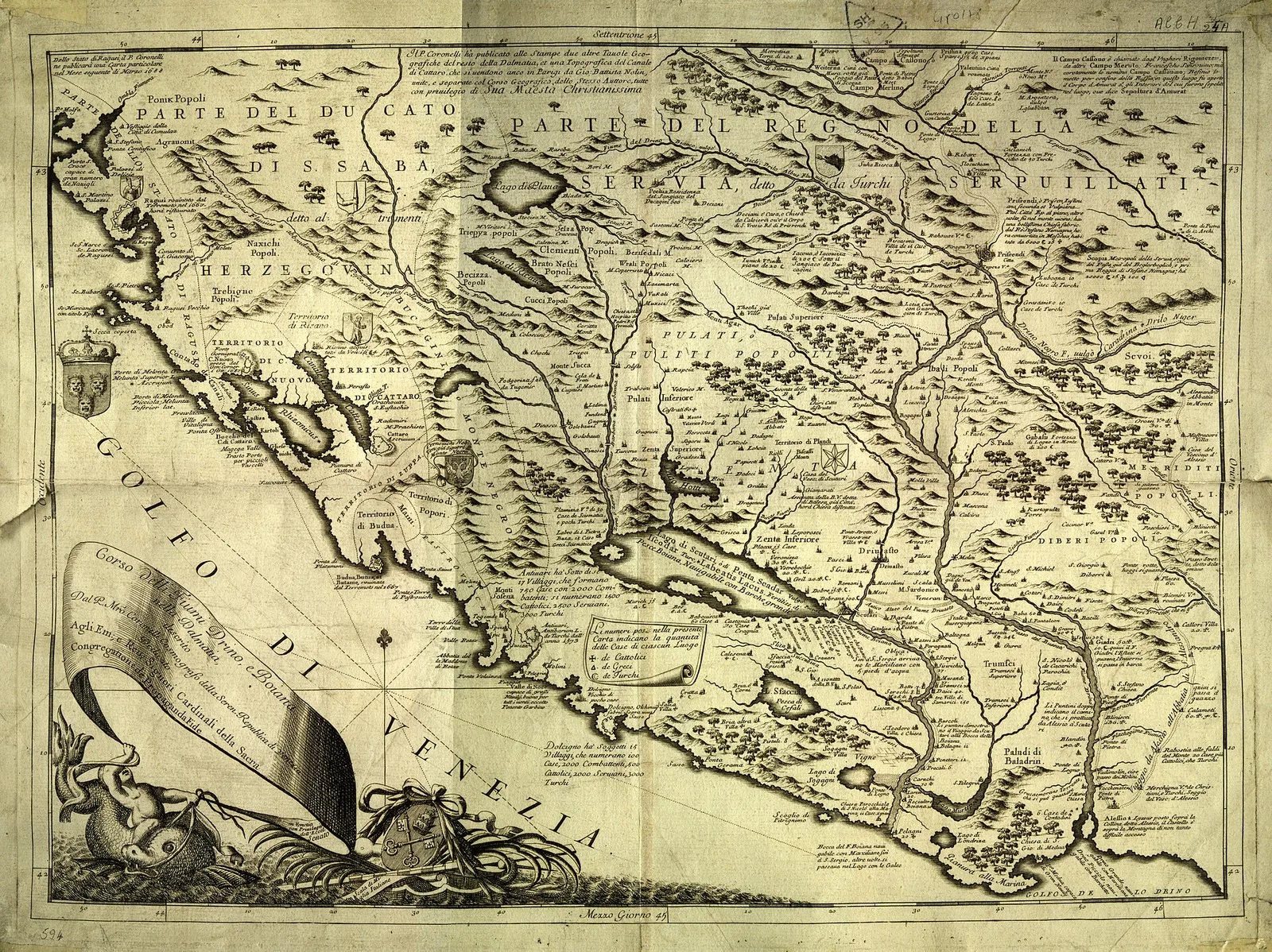
The story begins with a Venetian archbishop. Vicko Zmajević, born in Perast in 1670, was archbishop of Bar from 1701 and of Zadar from 1713, and from Bar he knew the Catholic Albanian villages of the Skadarska Krajina, the hills between Lake Skadar and the sea that the Ottoman border had cut off from their bishop. The first families — about twenty of them — arrived in the spring of 1726 from the villages of Briska, Šestani and Livari. Whether Venice housed them first at Zemunik or straight away in the suburb outside Zadar's walls is still argued by historians, and both happened that year: a Venetian cadastre of June 1726, the Alphabeto di Erizzovo Sello, lists 21 families allotted land at Zemunik in a hamlet named after the provveditore generale Nicolò Erizzo, and the earliest preserved document on the suburb that took his name — Borgo Erizzo, today's Arbanasi — is dated 15 August 1726.
More families followed in 1727 and, in the largest single arrival, in 1733 — 28 families and 199 people, by the count linguists still cite. Zmajević paid for their church himself: Gospa Loretska, Our Lady of Loreto, built from 1734 to 1737, still the parish church of Arbanasi and the centre of its feast day every 10 May. Arbanasi remained a separate settlement until 1944, when it became part of Zadar; many of its people emigrated after 1945 when Italian citizenship was on offer.
A dialect with a few hundred speakers left
What they brought with them was a Gheg Albanian from the north-west, and what they kept, for three centuries in a Croatian and Italian city, is a dialect no longer spoken anywhere else — heavily Čakavian and Italian in its vocabulary, with no Ottoman-era Turkish layer at all. The only dictionary is Kruno Krstić's Rječnik govora zadarskih Arbanasa of 1987, about 4,500 entries; Krstić was born in Arbanasi in 1905. In 2010 the Ministry of Culture entered the Arbanasi speech in Croatia's Register of Cultural Goods as a protected intangible good, number Z-4845, and on the UNESCO endangerment scale the 2018 study by Šimičić and Bilić Meštrić classes it as severely endangered.
The numbers are stark. A count by Kovačec, published in 2002 and carried into a 2016 documentation study, put it at fewer than 200 fully competent speakers and around 500 who understand it; Maximiljana Barančić, the Arbanasi-born linguist who has run weekly courses in Zadar since April 2015 and published a textbook in 2017 and a dictionary in 2020, puts it at 150 to 300 speakers, 500 who understand, and about 1,000 who know a few words. The break in transmission came in the post-war decades, when Arbanasi parents stopped speaking it to their children. Since 2016 the Vladimir Nazor gymnasium in Zadar has offered standard Albanian as an optional subject, and in the summer of 2026 the Arbanasi branch of the city library — named after Aleksandar Stipčević — ran workshops teaching the speech to primary-school children.
Who are they, then? The census cannot say: there is no Arbanasi box, and the 458 people who declared Albanian in the City of Zadar in 2021 are largely the newer Albanian community, not the old one. The Croatian Encyclopaedia estimates 2,000 to 3,000 Arbanasi, most of whom declare as Croats. Political scientists who studied the community in 2018 found it had built a sub-national identity inside the Croatian nation — Arbanasi first, Croat by nation, with no wish to be counted as an Albanian national minority.
I am a Zadar Arbanas — which means that I am a Croat.
Božidar Kalmeta, former mayor of Zadar and government minister, to Zadarski list, January 2026
1726–2026: the anniversary year
The anniversary year was launched on 19 and 20 January 2026 with a programme of more than 65 cultural, sporting and religious events. The State Archives and National Museum in Zadar opened the exhibition “300 years of the Arbanasi in the Zadar area” on 4 May; the University of Zadar hosted the Svečana akademija on 6 May, with a delegation from the Kosovo Academy of Sciences and Arts in the city from 5 to 8 May; the feast of Gospa Loretska on 10 May brought the procession, the votive passage beneath the statue, and a concert. On 4 August the city staged “Arbanasi od srca pjesmom” on the Roman Forum, with Đani Maršan among the singers; a scientific colloquium on the Arbanasi is scheduled at the university for 20 October 2026.
How did Albanians come to Croatia?
The Arbanasi were not the first Albanians on this coast, only the first to stay as a community. For four centuries before them Albanians came to Dalmatia the way most people came to Venetian Dalmatia: as soldiers, sailors and refugees of the Republic. And after them came three more waves — Yugoslav craftsmen, the volunteers of 1991, and the seasonal workers of the last decade.
Soldiers of the Serenissima
Croatian historians have traced an Albanian community in Venice from the second half of the fourteenth century to the fall of the Republic in 1797, drawn from Ulcinj, Shkodër, Lezhë and Durrës. Zadar, the capital of Venetian Dalmatia, was the natural refuge for Catholic Albanians fleeing the Venetian–Ottoman wars of the seventeenth century, the Candian War of 1645–1669 and the Morean War of 1684–1699, and Albanian soldiers were prominent enough in its garrison that in 1675 a confraternity of St Jerome was founded in the city for Croatian and Albanian soldiers together. Zmajević's settlers of 1726 arrived in a city that already knew them.
Bakers, goldsmiths and confectioners
The modern community was made in socialist Yugoslavia, and it was made by trades. An ethnological study from the University of Zagreb found that as early as 1947 some 600 bakers from the villages of Zym and Damjan in the Has region of Kosovo were on temporary work in Croatia; from the early 1950s until the end of the 1970s the developing tourist coast of Istria drew Albanians from Kosovo and Macedonia every season, and season by season they stayed. Three trades and three regions: Catholic goldsmiths from Prizren, Muslim bakers from Has, and Muslim confectioners — the slastičari — from western Macedonia, Tetovo and Gostivar.
The census shows the seasonal migrants turning into a minority. From 2,126 Albanians in 1961 the count rose to 6,006 in 1981 and 12,032 in 1991. Zagreb's oldest pastry shop, Orijent, has been in the hands of the Tahiri family since 1936 — Zulfi Tahiri arrived from Albania and worked under an assumed name through the Second World War — and his daughters were still involved in it decades later. The Slastičarnica Zagreb in the city centre has belonged to the Redžepi family, who came from Tetovo in 1949, since the early 1950s. And in 1960 the students among them founded the association that is still the oldest Albanian one in the country: Shkëndija, registered on 17 November 1960 as the Club of Students from Kosovo, which has had around 2,000 members since.
1991–1995: the Homeland War
When Yugoslavia fell apart, Albanians in Croatia chose Croatia. No state register breaks Croatia's defenders down by minority, so the only figures are the community's own: the Union of Albanians counted, in 2019, almost 3,000 Albanian defenders, of whom 87 were killed, 304 wounded and 229 left with war disabilities, with about 200 in the defence of Vukovar. According to the minority-affairs portal nacionalnemanjine.hr, Tom Beriša formed the first Albanian volunteer unit in September 1991 by agreement with Presidents Tuđman and Rugova, and in October eleven buses of Albanian volunteers arrived in Gospić.
Two of the war's generals were Albanians from Kosovo. Rahim Ademi, born in 1954 near Vučitrn, had been tried in Sarajevo in 1986 for “undermining Yugoslavia” — as he put it, for being an Albanian in the wrong army — and rose to major-general of the Croatian Army; indicted by the Hague tribunal over the Medak Pocket, his case was the first referred back to Croatia, and the Zagreb County Court acquitted him of all charges on 30 May 2008. Agim Çeku served eight years in the Croatian Army, reached brigadier-general, and in May 1999 became chief of staff of the Kosovo Liberation Army. And on 15 January 1992, the day the European Community recognised Croatia, a karateka born in Skopje, Enver Idrizi, won the first medal for the independent country.
I am an Albanian. Kosovo is my country. Through the Croatian national team I promoted Albanian football.
Ardian Kozniku, 1998 World Cup bronze medallist with Croatia, to Net.hr, June 2024
- 1675 · A confraternity of St Jerome is founded in Zadar for Croatian and Albanian soldiers in Venetian service.
- 1726 · Spring: the first families from Briska, Šestani and Livari, below Lake Skadar, reach Zadar; 21 families are allotted land at Zemunik in June, and the earliest document on Borgo Erizzo, today's Arbanasi, is dated 15 August.
- 1733 · A second, larger migration; the church of Gospa Loretska is built 1734–1737 at Archbishop Zmajević's expense.
- 1947 · Around 600 bakers from the Has villages of Zym and Damjan are on temporary work in Croatia.
- 1960 · 17 November: students from Kosovo found Shkëndija in Zagreb, still the oldest Albanian association in Croatia.
- 1991 · Albanians volunteer for the Croatian Army in the Homeland War; the Albanian Catholic Mission is founded in Zagreb.
- 1992 · Albania recognises Croatia on 21 January; diplomatic relations follow on 25 August.
- 2002 · 13 December: the Constitutional Law on the Rights of National Minorities gives Albanians councils, representatives and a shared seat in the Sabor.
- 2008 · 19 March: Croatia recognises Kosovo. The Arbanasi library branch opens in Zadar.
- 2009 · 1 April: Albania and Croatia join NATO on the same day.
- 2015 · Ermina Lekaj Prljaskaj becomes the first Albanian to hold the minority seat in the Sabor, for three terms to 2024.
- 2021 · 1 January: the annual quota for foreign workers is abolished; 7,913 permits go to Kosovo citizens that year. 31 August: the census counts 13,817 Albanians.
- 2024 · 24 February: the Albanian Cultural Centre opens in Zagreb, funded by the Croatian government. 19 June: Croatia 2–2 Albania in Hamburg.
- 2025 · 18 March: Croatia, Albania and Kosovo sign a trilateral defence declaration in Tirana.
- 2026 · Zadar marks 300 years of the Arbanasi with more than 65 events; the academy is held on 6 May.
What language do Albanians in Croatia speak — and what faith?
Croatia asks about language directly, which Switzerland and Germany do not, and the answer is that Albanian survives at home. 13,503 people gave Albanian as their mother tongue in 2021 — 98 percent of the number who declared Albanian ethnicity, and in Rijeka more than the ethnic count itself. Zagreb had 3,300 Albanian speakers, Primorje-Gorski Kotar 2,022, Istria 1,891.
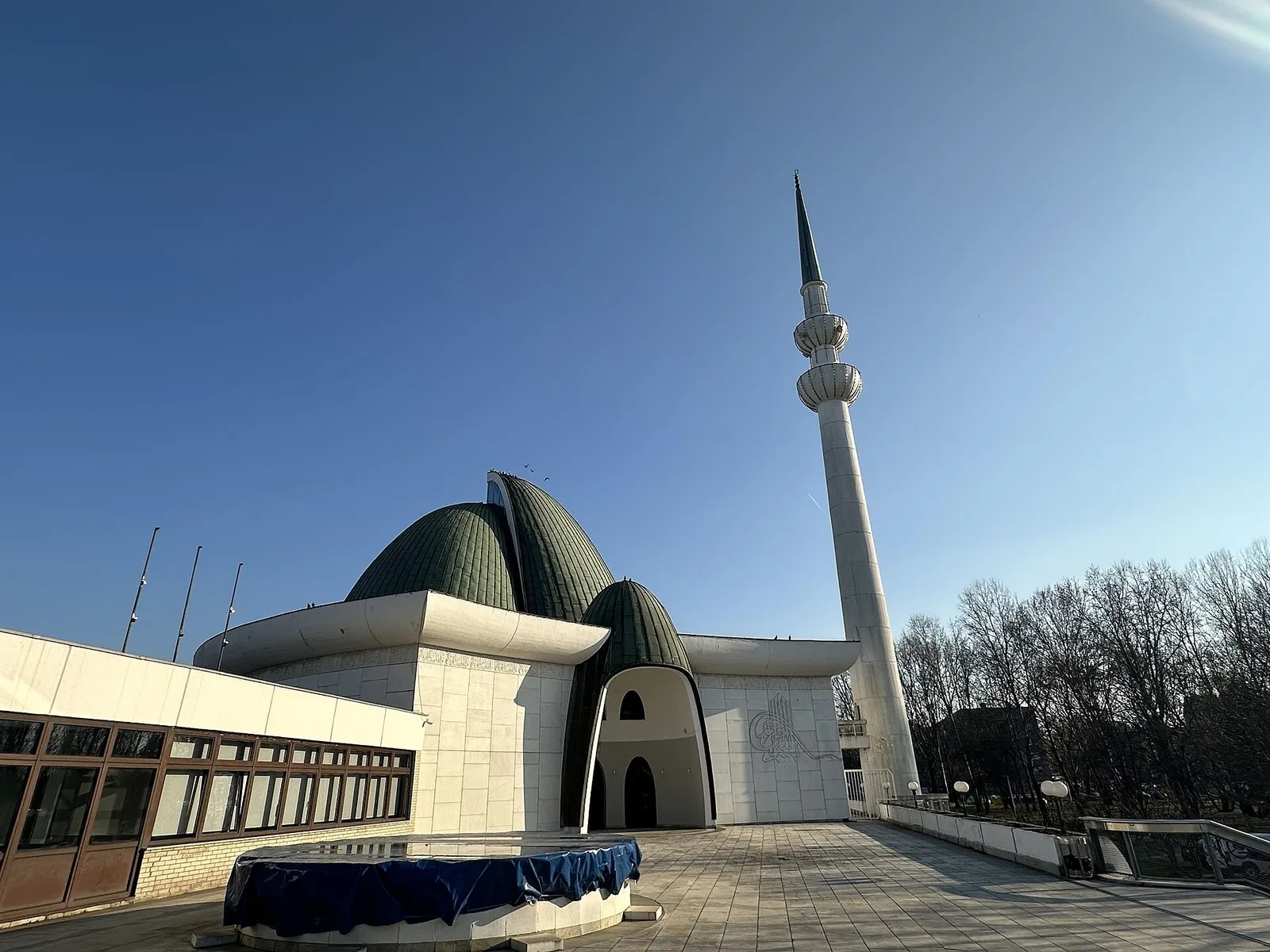
Faith divides the community roughly as it divides Albania: 7,421 Muslims, 53.7 percent, and 5,311 Catholics, 38.4 percent, with 242 other Christians and 235 who declared no religion. Albanians are 14.6 percent of all 50,981 Muslims in Croatia. The Zagreb mosque, completed in 1987, and the Rijeka mosque of 2013 belong to the Islamic Community of Croatia, in which Albanians from Kosovo and Macedonia have always been a large minority beside the Bosniak majority. On the Catholic side the Albanian Catholic Mission was founded in Zagreb in 1991 at the initiative of the priest Dodë Gjergji, with Cardinal Kuharić's blessing; its head, don Kristë Gjergji, speaks of eight to nine thousand Albanian Catholics in Croatia — a pastoral count that is larger than the census one, because it includes families who declare as Croats. A second mission was founded in the Rijeka archdiocese on 1 September 2024, with Mass in Albanian every Sunday at Škurinje.
The community is young for Croatia. 18.2 percent of Albanians were under 15 in 2021, against 14.3 percent of the whole country; only 10.7 percent were 65 or over, against 22.5 percent. Men are 54.3 percent — the signature of a community still being joined by workers.

Albanian in Croatian schools
Albanian is taught in Croatian state schools under what the system calls model C: the language and culture of a minority as an additional subject. In the 2021/22 school year it was offered in 17 primary schools and one secondary school — two in Zagreb, two in Osijek, and in Rijeka, Pula, Zadar, Poreč, Rovinj, Medulin, Krk, Karlovac, Velika Gorica, Kaštel Novi, Đakovo, Slavonski Brod and Velika Pisanica. In November 2025 the ministry adopted a national curriculum for the subject, in force from the 2025/26 school year. Sources: Government of Croatia, list of schools with minority-language teaching 2021/22; Narodne novine 148/2025.
Work, business and the new arrivals from Kosovo
Two very different economies carry the community. One is old, urban and self-employed: the bakeries, pastry shops and jewellers that have been Albanian in Croatian cities since the 1950s. The other is new, seasonal and coastal — the thousands of Kosovo citizens who come every year to build hotels and work in them.
Permits since the quota was abolished
Croatia's labour market changed on 1 January 2021, when a new Aliens Act abolished the annual quota for foreign workers — 31,000 in 2018, 65,100 in 2019, 78,470 in 2020 — and replaced it with a labour-market test. The Ministry of the Interior issued 81,995 residence-and-work permits in 2021, 124,121 in 2022, 172,499 in 2023 and 206,529 in 2024, before the first fall since the 2021 liberalisation, to 170,723 in 2025 — permits, that is, documents including renewals and seasonal permits, not distinct people. Kosovo citizens received 7,913 of the 2021 permits, the third-largest nationality; 8,979 in 2022, a peak of 9,922 in 2023, then 8,139 and 6,355. Albanian citizens received 3,720, 4,256 and 4,244 in 2021–2023 before dropping out of the top ten. In the first seven months of 2026 Kosovo citizens received 3,831 permits and Albanian citizens 1,771.
Eurostat's series shows what this means as a stock of people. On 31 December 2021, 6,447 Kosovo citizens and 2,588 Albanian citizens held a valid Croatian residence permit; two years later 8,077 and 3,265; at the end of 2025 6,702 and 2,516. Kosovo's own Ministry of Internal Affairs calculates that 27 percent of its citizens holding an EU residence permit for employment hold it in Croatia — second only to Slovenia's 36 percent, ahead of Germany's 19. Kosovo's ambassador in Zagreb spoke in 2024 of about 10,000 of his fellow citizens working in Croatia, many of them in tourism.
Where they work is where the permits are: in 2025 the Zagreb police administration issued 43,113 of all permits, Istria 24,456, Split-Dalmatia 17,448, Primorje-Gorski Kotar 15,421, Dubrovnik-Neretva 12,553 and Zadar 11,394, with tourism and hospitality (52,858) and construction (52,776) the two dominant sectors nationally. A Tirana recruitment agency advertised summer positions for the 2024 season, mid-April to mid-October, at €1,200 to €2,000 a month. Since 15 March 2025 a permit can run for three years and a seasonal permit for nine months, and the Albanian-language press in Kosovo reported the change as major relief for its workers in Croatia.

| Year | Citizens of Kosovo | Citizens of Albania | All permits issued |
|---|---|---|---|
| 2021 | 7,913 | 3,720 | 81,995 |
| 2022 | 8,979 | 4,256 | 124,121 |
| 2023 | 9,922 | 4,244 | 172,499 |
| 2024 | 8,139 | – | 206,529 |
| 2025 | 6,355 | – | 170,723 |
Source: MUP RH, dozvole za boravak i rad 2021–2025.
The crafts that built the community
The older economy is measured in shop signs. A 2017 study from the University of Zagreb's Department of Ethnology went through the register of the Zagreb crafts association: the city had 93 bakery crafts, and by the informal count of one of the association's officials 79 of their owners had Albanian names; of 65 goldsmith crafts, families with just seven surnames from Prizren owned 27. The best-known bakery in Zagreb's Dugave estate has been run by the Bućaj brothers from a village near Gjakova since the late 1980s, open around the clock; a jeweller from near Prizren has kept a shop at the head of Jurišićeva street since 1973. The pattern repeats on every coastal main street from Umag to Dubrovnik.
Rights, politics and the community's institutions
Albanians are one of the 22 national minorities named in the historical foundations of Croatia's constitution, and the Constitutional Law on the Rights of National Minorities of 13 December 2002 gives every minority the same three instruments: elected councils in counties, towns and municipalities, individual representatives where the community is too small for a council, and seats in parliament.
One seat in the Sabor, shared by five minorities
In the Sabor, eight seats are reserved for minorities and elected in a twelfth, nationwide constituency. Albanians share one of them with the Bosniak, Montenegrin, Macedonian and Slovene minorities. From 2003 to 2015 the seat was held by Bosniak politicians; in December 2015 Ermina Lekaj Prljaskaj, born in Prizren in 1971, became the first Albanian to win it, and held it for three terms, standing for the Union of Albanians in the second and third. In the April 2024 election the Bosniak candidate Armin Hodžić took it back with 3,357 votes to her 2,249, out of 7,213 who voted.
At local level the community is far more visible. In the minority-council elections of 7 May 2023, Albanians elected 308 councillors — seven county councils, eight town councils and four municipal ones — plus 13 individual representatives. The Zagreb council alone has 25 members.
| Term | Member of Parliament |
|---|---|
| 2003–2011 | Šemso Tanković (Bosniak, SDA HR) |
| 2011–2015 | Nedžad Hodžić (Bosniak, BDSH) |
| 2015–2024 | Ermina Lekaj Prljaskaj (Albanian) — three terms, the last two for the Union of Albanians |
| 2024– | Armin Hodžić (Bosniak) — 3,357 votes to 2,249 |
Associations, media and a new cultural centre
The umbrella body is the Union of Albanians in Croatia (Unija Albanaca u Republici Hrvatskoj), founded in 1991–92 as the Community of Albanians, with 18 member associations at its 2023 assembly and Esad Čollaku re-elected president in October 2023 for a third term. Beside it stand Shkëndija (1960), the Club of Albanian Women “Kraljica Teuta” (registered 2005, founded by the HRT journalist Shenida Bilalli, with its annual Days of Queen Teuta), the theatre society Mërgimtari (2014), and county and city associations from Istria to Osijek. The Central Library of Albanians, hosted by Zagreb's Bogdan Ogrizović library on Preradovićeva street, holds 2,257 volumes and had 395 members.
On 24 February 2024 the Albanian Cultural Centre opened at Frane Petrića 4 in Zagreb — 500 square metres, fully funded by the Croatian government's office for human rights and national minorities. The Union publishes the monthly Informatori in 1,500 copies and Kraljica Teuta the bilingual Iliria; the public broadcaster's minority magazine Prizma, on air since 1993, covers the community regularly. Albania's embassy in Zagreb, with honorary consulates in Osijek, Dubrovnik, Rijeka and Zadar, and Kosovo's embassy, opened on 19 February 2010, with a consulate general in Zadar, complete the institutional map; Albania's diaspora agency lists around 35 Albanian organisations in Croatia.
Famous Albanians in Croatia
Every name below is included only where both the Croatian career and the Albanian or Arbanasi family origin are on the record, in the person's own words or in an authoritative biography.
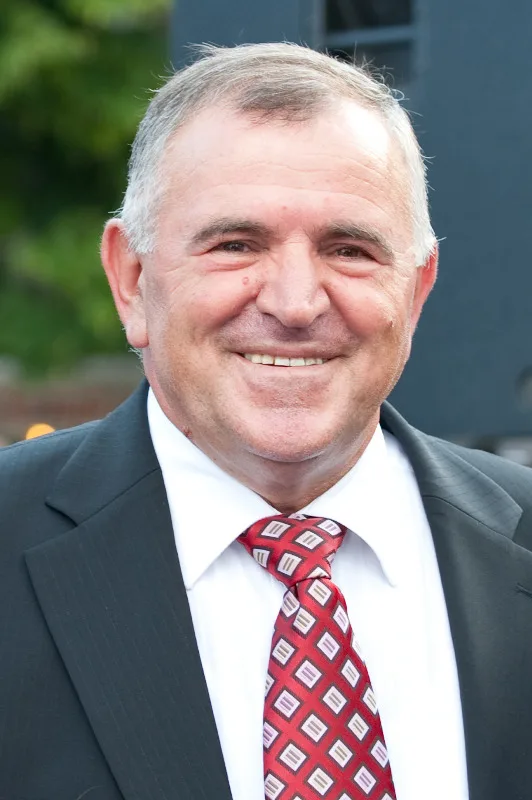
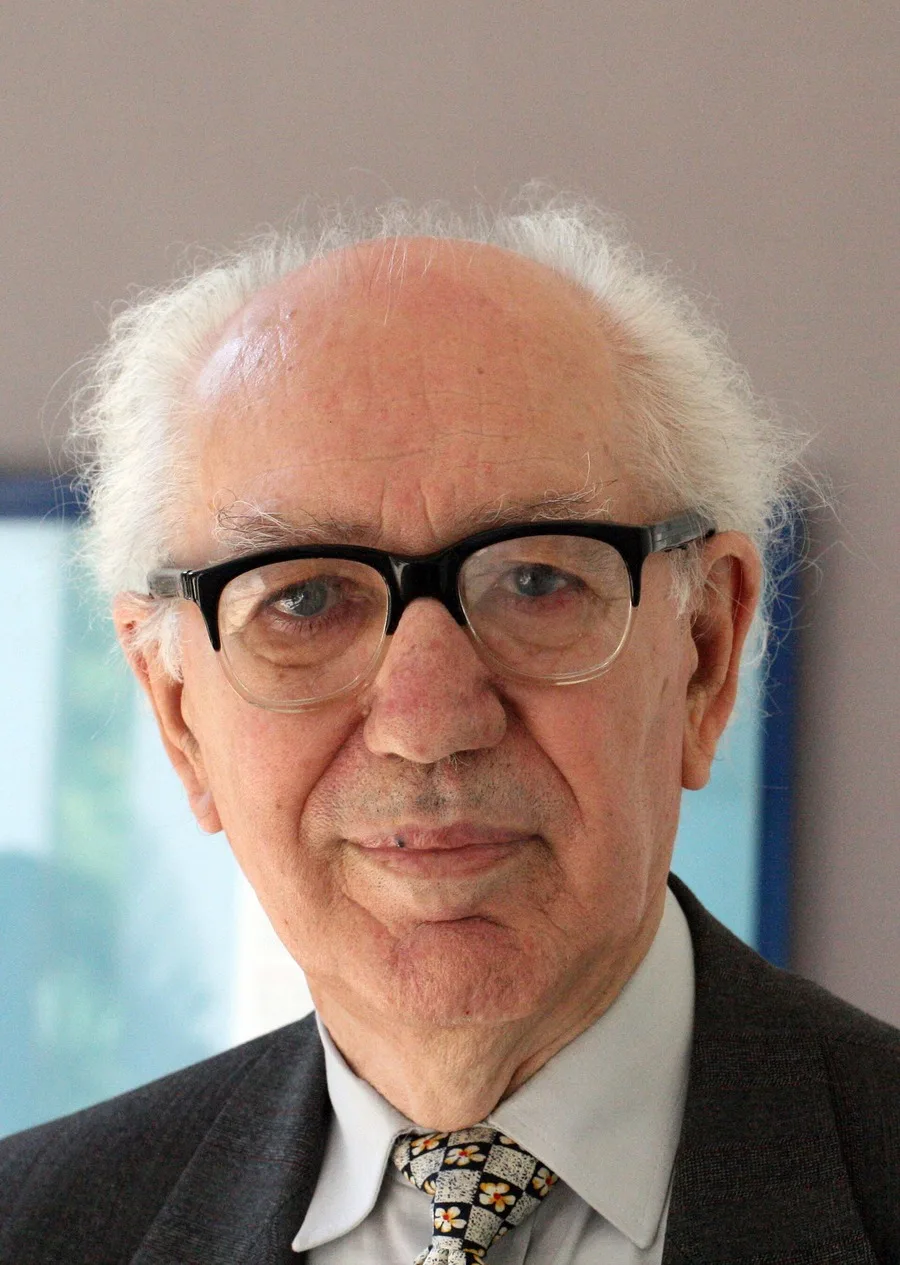
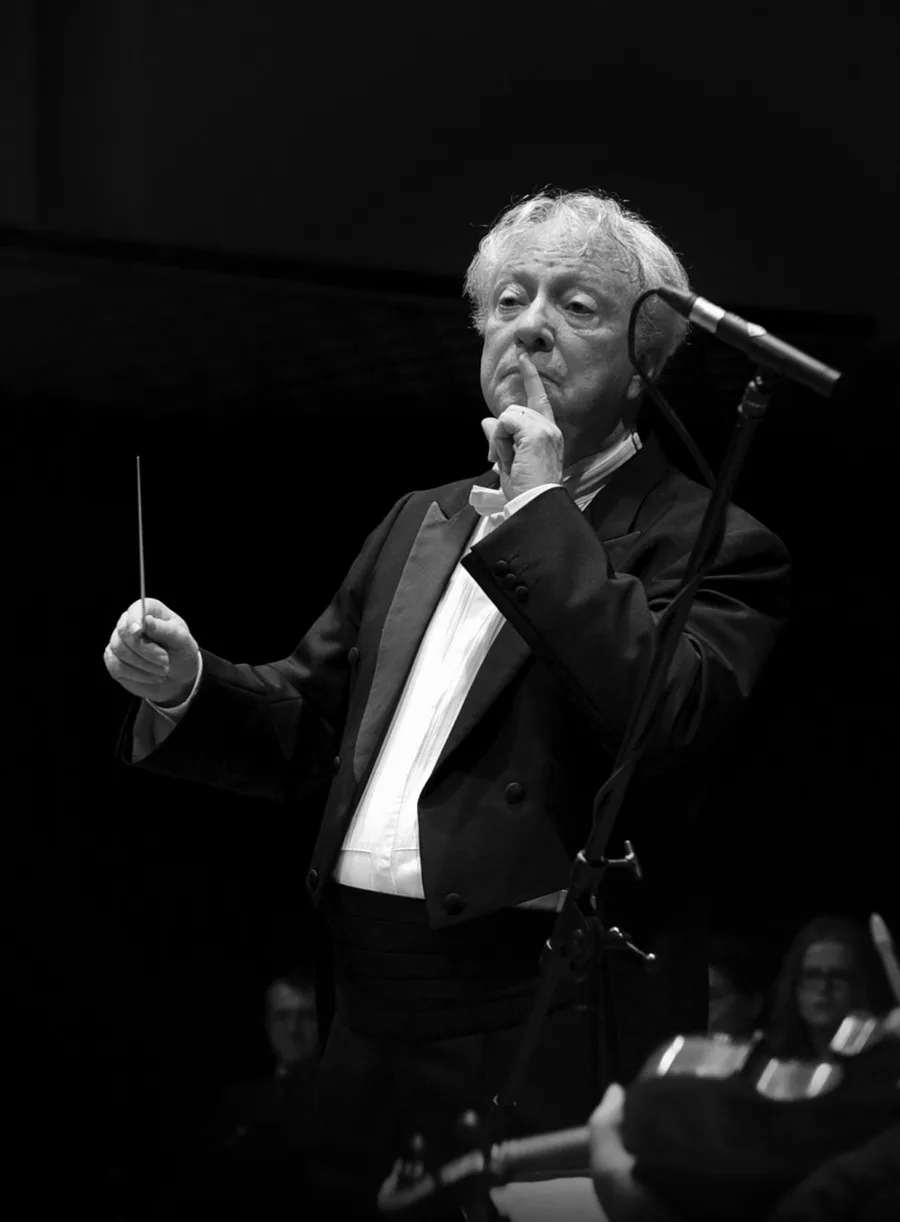
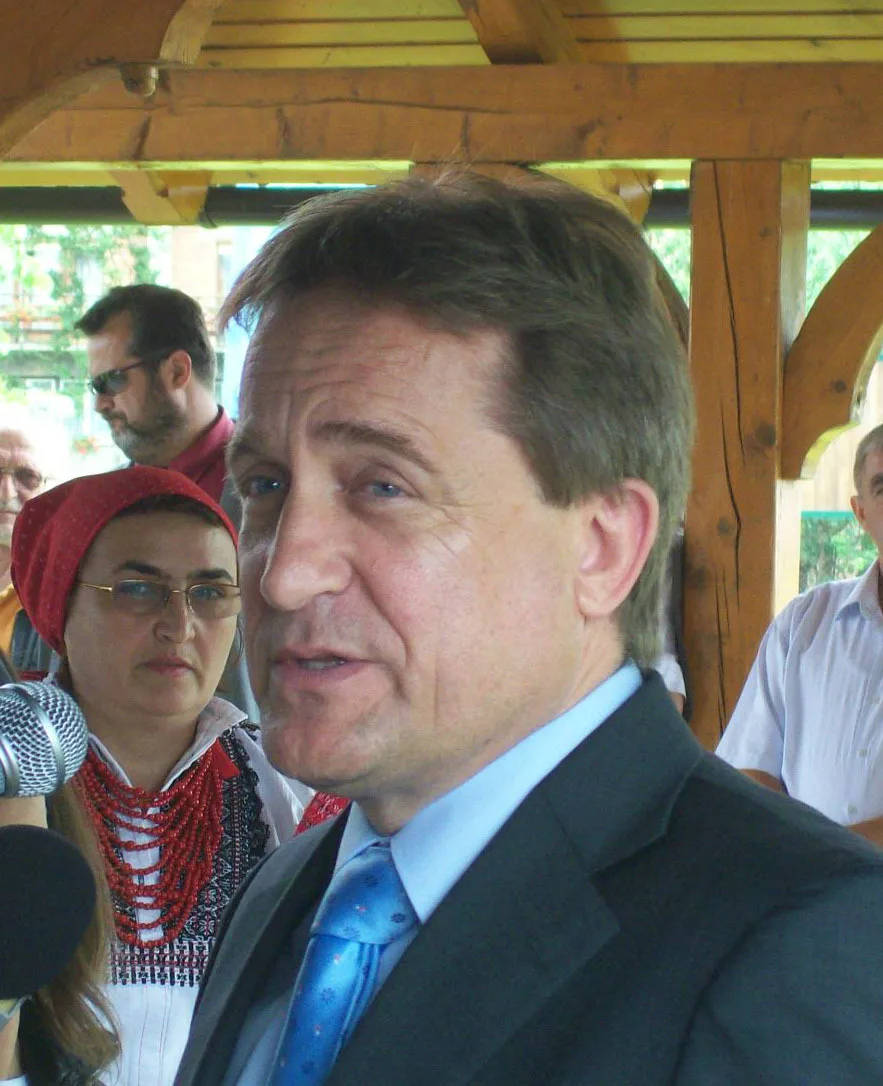
- Rahim Ademi — Major-general of the Croatian Army, born near Vučitrn in Kosovo in 1954; tried in Sarajevo in 1986, commander in Gospić and Split in the Homeland War, acquitted of all charges by the Zagreb County Court on 30 May 2008. Hrvatska enciklopedija
- Agim Çeku — Kosovo Albanian officer who spent eight years in the Croatian Army after 1991 and reached brigadier-general before becoming chief of staff of the Kosovo Liberation Army in May 1999. The Guardian, 1999
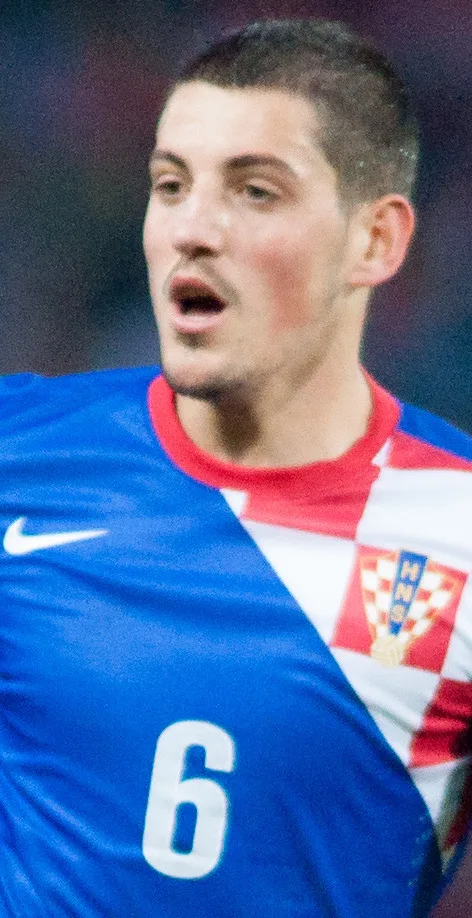
- Ardian Kozniku — Born and raised in Gjakova, striker for Hajduk Split and Dinamo Zagreb, seven caps and two goals for Croatia and a bronze medal at the 1998 World Cup. Net.hr, 2024
- Kujtim Shala — Born in Prizren in 1964, Dinamo Zagreb striker from 1988, who played in Croatia's first modern international, against the United States on 17 October 1990. Croatian Football Federation
- Arijan Ademi — Born in Šibenik in 1991 to a family from Macedonia whose grandfather opened a confectionery there in 1948; captain and most-decorated player in Dinamo Zagreb's history, 33 caps for North Macedonia. tportal.hr
- Enver Idrizi — Karateka born in Skopje in 1966 who came to Zagreb in 1989 and won the first medal for independent Croatia on 15 January 1992; European champion in 1993 and 1995. Index.hr, 2024
- Aleksandar Stipčević — Archaeologist, bibliographer and albanologist, born in Arbanasi in 1930, lecturer in Pristina, director of the Academy library and editor of the Croatian Biographical Lexicon; the Arbanasi library branch carries his name. Hrvatska enciklopedija
- Kruno Krstić — Philosopher, linguist and encyclopedist, born in Arbanasi in 1905, author of the only dictionary of the Arbanasi speech (1987). Hrvatski biografski leksikon
- Šime and Pavle Dešpalj — Šime (1897–1981), composer and writer in the Arbanasi dialect, and his son Pavle (1934–2021), conductor, composer and vice-president of the Croatian Academy of Sciences and Arts, from “a respected musical family from Arbanasi”. Hrvatski biografski leksikon; tportal.hr
- Josip “Pino” Gjergja — Basketball great born in Zadar in 1937 to an Arbanasi family: five Yugoslav titles with KK Zadar, two World Championship silvers with Yugoslavia, and later a coach. Il Dalmata
- Đani Maršan — Singer, composer and diplomat born in Zadar in 1944 to parents from Arbanasi, later Croatia's consul in Trieste, Perth and Milan; he sang at the 300-year concert on the Forum in August 2026. Glazba.hr
- Božidar Kalmeta — Mayor of Zadar for many years and a government minister, and the best-known living Arbanas: his ancestors left the Shkodër area 300 years ago. Zadarski list, 2026
- Zef Mirdita — Historian and albanologist born in Prizren in 1936, professor in Pristina until the war brought him to Zagreb in 1993, where he worked at the Croatian Institute of History until his death in 2016. Index.hr, 2016
- Ermina Lekaj Prljaskaj — Born in Prizren in 1971, the first Albanian member of the Croatian parliament, holding the shared minority seat from December 2015 to May 2024. Hrvatski sabor
Croatia, Albania and Kosovo today
Albania recognised Croatia on 21 January 1992 and the two countries established diplomatic relations on 25 August that year; Croatia recognised Kosovo on 19 March 2008, in a joint statement with Hungary and Bulgaria, and relations followed on 30 June. On 1 April 2009 Albania and Croatia joined NATO on the same day, and on 18 March 2025 the defence ministers of Croatia, Albania and Kosovo signed a trilateral declaration on defence cooperation in Tirana. Croatia is among the loudest supporters of Albania's EU accession; its parliamentary speaker repeated that in Tirana in June 2026.
The everyday ties are trade and holidays. Croatian goods exports to Kosovo reached €202.5 million in 2024, up 20 percent in a year, and to Albania €100.4 million. Since Kosovo's citizens gained visa-free travel to the Schengen area on 1 January 2024 — Croatia had joined Schengen and the euro a year earlier — tourist arrivals from Kosovo in Croatian commercial accommodation jumped from 21,204 in 2023 to 33,615 in 2024, with 30,554 in 2025; arrivals from Albania ran at 24,309 in 2024 and 25,242 in 2025.
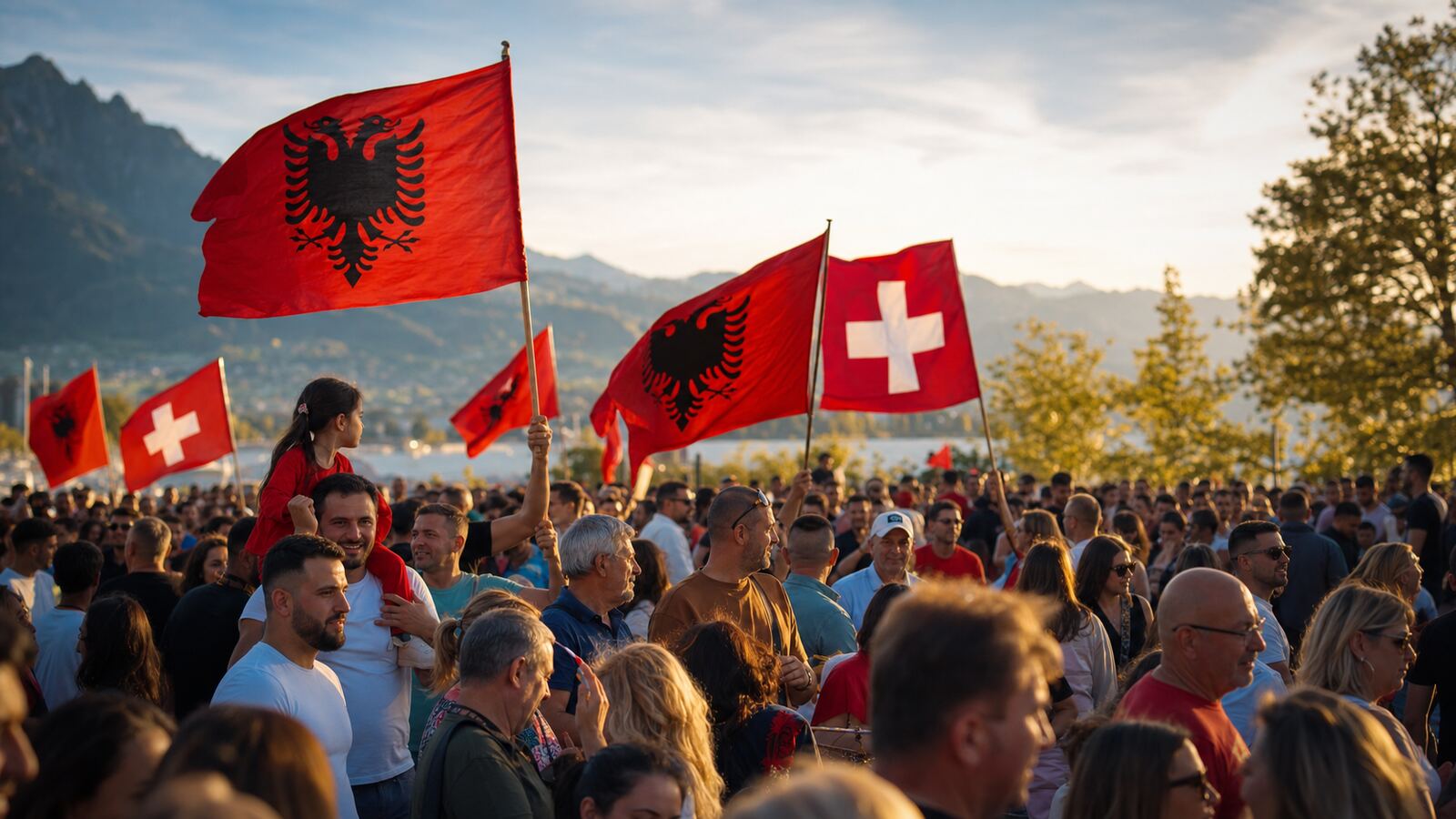
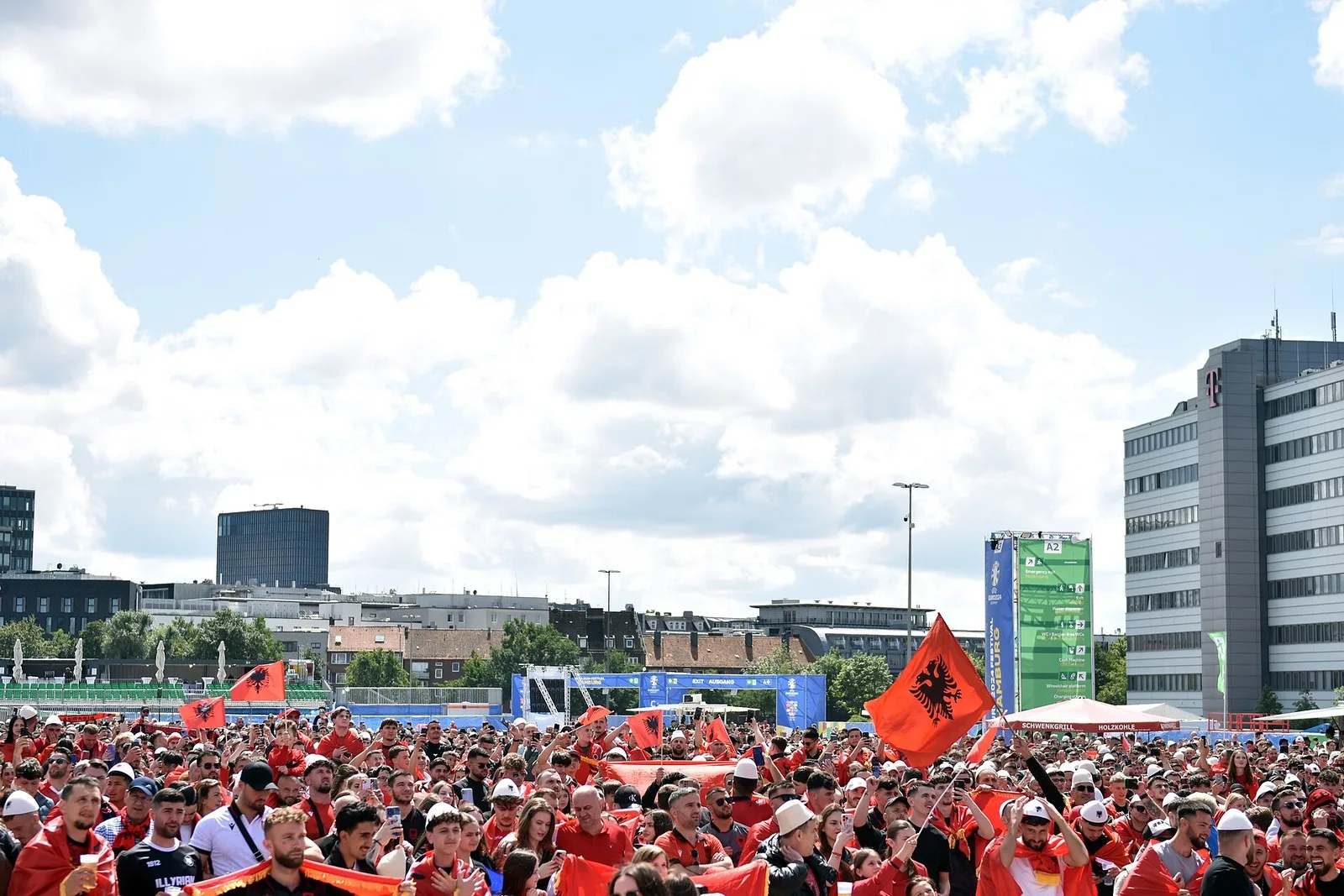
And there was Hamburg. On 19 June 2024, at the European Championship, Croatia and Albania drew 2–2 in front of 46,784 people: Qazim Laçi scored in the 11th minute, Andrej Kramarić equalised in the 74th, an own goal by Klaus Gjasula put Croatia ahead two minutes later — and Gjasula himself equalised in the fifth minute of stoppage time. In the fan zones of Hamburg the two red flags stood side by side, which is where, for most of the people in this article, they have always stood.
The Albanian community in Croatia today
The community that emerges from all this is three communities in one country. In Zagreb and the inland cities, a settled minority two and three generations deep, still running the bakeries and jewellers, electing its councils, teaching Albanian on Saturdays and celebrating Flag Day every November. On the coast, from Umag to Dubrovnik, an older layer of Istrian and Kvarner families whose share of the population is the highest in the country, and a newer one of Kosovo workers who fill the hotels each summer and increasingly stay. And in Zadar, the Arbanasi — Croats who have kept an Albanian dialect alive for three hundred years and spent 2026 celebrating it.
What connects them is language at home, faith in two churches and a mosque, and a habit of organisation that goes back to the students of 1960. What divides them is distance: the census counts 522 Albanians in Rijeka, 440 in Pula and 458 in Zadar, communities too small for a marriage market of their own. That is a familiar diaspora problem, and it is the one dua.com exists to solve.
dua.com is the dating and community app built for Albanians, with the largest verified Albanian community online. In Croatia that means someone in Medulin or Crikvenica is not limited to the few hundred Albanians in their town: the app connects the whole country and, through its Fly feature, the diaspora in Germany, Switzerland and Austria and the homeland in Kosovo, Albania and Macedonia. Profiles are verified, the interface works in Albanian, and the cultural context is understood without explanation — which, as any Albanian who has tried a generic app knows, is the whole point. No figures on dua.com's users in Croatia are used on this page as evidence about the community; the census and the permit register do that job.
Directory: the Albanian community in Croatia
| Place | Organisation | Note |
|---|---|---|
| Zagreb | Unija Albanaca u Republici Hrvatskoj | Umbrella body of 18 associations; monthly Informatori |
| Zagreb | Council of the Albanian National Minority of the City of Zagreb | 25 councillors elected 2023; president Emirat Asipi |
| Zagreb | AKDH Shkëndija | Founded 17 November 1960; folklore, culture, Flag Day |
| Zagreb | Albanian Cultural Centre, Frane Petrića 4 | Opened 24 February 2024; 500 m² |
| Zagreb | Albanian Catholic Mission in Croatia | Founded 1991; Babonićeva 12 |
| Zagreb | Central Library of Albanians (KGZ Bogdan Ogrizović) | Preradovićeva 5; 2,257 volumes |
| Zagreb | Klub albanskih žena “Kraljica Teuta” | Registered 2005; magazine Iliria; Days of Queen Teuta |
| Zagreb | Islamic Community of Croatia — Zagreb Mosque | Islamic centre completed 1987 |
| Zagreb | Embassy of the Republic of Albania | Honorary consulates in Osijek, Dubrovnik, Rijeka and Zadar |
| Zagreb | Embassy of the Republic of Kosovo | Opened 19 February 2010; consulate general in Zadar |
| Rijeka | Albanian Catholic Mission, Rijeka Archdiocese | Founded 1 September 2024; Mass in Albanian on Sundays at Škurinje |
| Zadar | Društvo zadarskih Arbanasa · KUU Vicko Zmajević | Arbanasi societies; Gospa Loretska feast on 10 May |
| Zadar | City Library — Aleksandar Stipčević branch, Arbanasi | Arbanasi speech courses and heritage collection |
| Croatia | Government office for human rights and national minorities — Albanians | Official minority profile, councils and funding |
Frequently asked questions about Albanians in Croatia
How many Albanians live in Croatia?
The 2021 census counted 13,817 people who declared Albanian ethnicity and 13,503 with Albanian as their mother tongue. Adding the 980 who declared themselves Kosovar, the Kosovo and Albanian citizens holding a valid year-end residence permit who are not counted as residents, and the 2,000–3,000 Arbanasi of Zadar gives a realistic 24,000 to 27,000 people of Albanian origin, language or citizenship in the country in a given year.
Where do most Albanians in Croatia live?
The City of Zagreb had 3,475 declared Albanians in 2021, followed by Istria (2,055) and Primorje-Gorski Kotar around Rijeka (1,771). By share of population the Istrian coast leads: 4.29 percent in Medulin, 2.50 percent in Rovinj and 2.16 percent in Poreč.
Who are the Arbanasi of Zadar?
Descendants of Catholic Albanian families from the villages of Briska, Šestani and Livari below Lake Skadar, settled at Zadar from 1726 by Archbishop Vicko Zmajević. They still speak a Gheg Albanian dialect protected as a Croatian cultural good since 2010, but declare themselves Croats; 2026 is their 300th anniversary.
Are Albanians a recognised national minority in Croatia?
Yes. Albanians are one of the 22 minorities named in the constitution and share one of the eight minority seats in the Sabor with the Bosniak, Montenegrin, Macedonian and Slovene minorities. In 2023 they elected 308 minority councillors across seven counties, eight towns and four municipalities.
How many Kosovars work in Croatia?
The Ministry of the Interior issued 9,922 residence-and-work permits to Kosovo citizens in 2023, 8,139 in 2024 and 6,355 in 2025. On 31 December 2023, 8,077 Kosovo citizens held a valid permit; Kosovo's ambassador spoke of about 10,000 of his citizens working in Croatia, many in tourism.
Did Albanians fight for Croatia in the 1990s?
No state register counts defenders by minority. By the Union of Albanians' own 2019 count, almost 3,000 Albanians served in the Croatian Army and 87 were killed. Rahim Ademi and Agim Çeku, both Albanians from Kosovo, became generals.
What religion are Albanians in Croatia?
In the 2021 census 53.7 percent (7,421) declared themselves Muslim and 38.4 percent (5,311) Catholic, with 242 other Christians and 235 non-religious. Albanians make up 14.6 percent of all Muslims in Croatia.
Can children learn Albanian in Croatian schools?
Yes, under model C. In 2021/22 Albanian language and culture was taught in 17 primary schools and one secondary school, from Zagreb and Osijek to Pula, Zadar and Medulin, and a national curriculum for the subject took effect in 2025/26.