30,978 people in Montenegro identified as Albanian in the 2023 census.
But that number tells only part of the story. Because Albanians in Montenegro are not simply a diaspora that arrived somewhere new.
In Ulqin, Ana e Malit, Malësia around Tuzi, Kraja, Plavë, Guci and other communities, Albanian families have lived across generations, empires and changing borders.
For more on this topic, read Albanians in Greece and Albanians in Italy.
- Borders moved.
- States changed.
- People emigrated.
- The connection survived.
Today, that connection stretches from Montenegro to Albania and Kosovo—and through families in New York, Detroit, Zurich, Berlin and across the wider diaspora.
That is also where dua.com fits in. Not as another way to count Albanians. As another way to find each other.
So, how many Albanians live in Montenegro?
Let's start with what we actually know. According to Montenegro's 2023 census:
30,978 identified as ethnically Albanian
32,725 reported Albanian as their mother tongue
27,979 said they usually speak Albanian
And when ethnicity and mother tongue are combined without counting the same person twice:
34,292 residents have direct Albanian ethnicity or mother-tongue evidence
So the most defensible answer is:
Around 31,000–34,300 residents have a directly recorded Albanian ethnic or language connection
That is not a count of everyone with Albanian ancestry. And it shouldn't be turned into one.
There are mixed families, descendants who use another language today, people whose identity does not fit neatly into one census category and thousands of families whose roots are in Montenegro but whose lives are now elsewhere.
The census gives us the clearest resident count.
The community story is bigger than a single number.
Counting emigrants and several generations of their descendants, the worldwide community rooted in Montenegro is much larger and may pass 100,000. That figure is plausible, not measured—and it is not a claim that 100,000 Albanians live inside Montenegro today.
Albanian by ethnicity, language—or both?
Identity gets messy. That's normal. Someone can identify as Albanian but speak Montenegrin most of the day. Someone else can speak Albanian at home while describing their ethnicity differently.
A child can grow up moving between two languages, two cultures and two sides of the same family without feeling that one has to cancel the other.
That's why these census measures should stay separate.
| What the census measures | People |
|---|---|
| Albanian ethnicity | 30,978 |
| Albanian mother tongue | 32,725 |
| Usually speaks Albanian | 27,979 |
| Albanian ethnicity OR mother tongue | 34,292 |
Ethnicity ≠ language ≠ citizenship ≠ birthplace ≠ ancestry ≠ religion.
Real identity is usually more complicated than a spreadsheet.
They didn't arrive here. The border changed around them
This is the part that makes Montenegro different from a typical diaspora story.
Albanian communities were already living across areas that today fall inside Montenegro long before the country's modern borders existed.
From the Adriatic around Ulqin, through Ana e Malit and Kraja, across Malësia, and into the highlands around Plavë and Guci, Albanian-speaking communities developed their own local traditions, family networks, religious life and relationships with neighbouring peoples.
- Then came new borders.
- New governments.
- Different school systems.
- Migration.
- Urbanisation.
And generation after generation deciding which parts of identity would travel with them.
When the border became a refuge
In the spring of 1999, the border took on a very different meaning.
As Kosovo Albanians fled Serbian forces, thousands crossed into Montenegro. Many arrived exhausted after making their way through cold mountain passes, carrying whatever they had been able to take with them. Rožaje became one of the main points of arrival, while many families continued towards Tuzi and Ulcinj. By mid-April, around 25,000 displaced Kosovars were being sheltered in Ulcinj alone.
For Albanians already living in Montenegro, this was not a distant war happening somewhere else. The people arriving spoke the same language. Some had relatives here. Others came from towns and villages only a few hours away.
Communities opened their doors. Together with humanitarian organizations and local authorities, people in Ulcinj, Tuzi, Rožaje and elsewhere helped provide places to sleep, food, blankets and whatever else was needed as more families arrived.
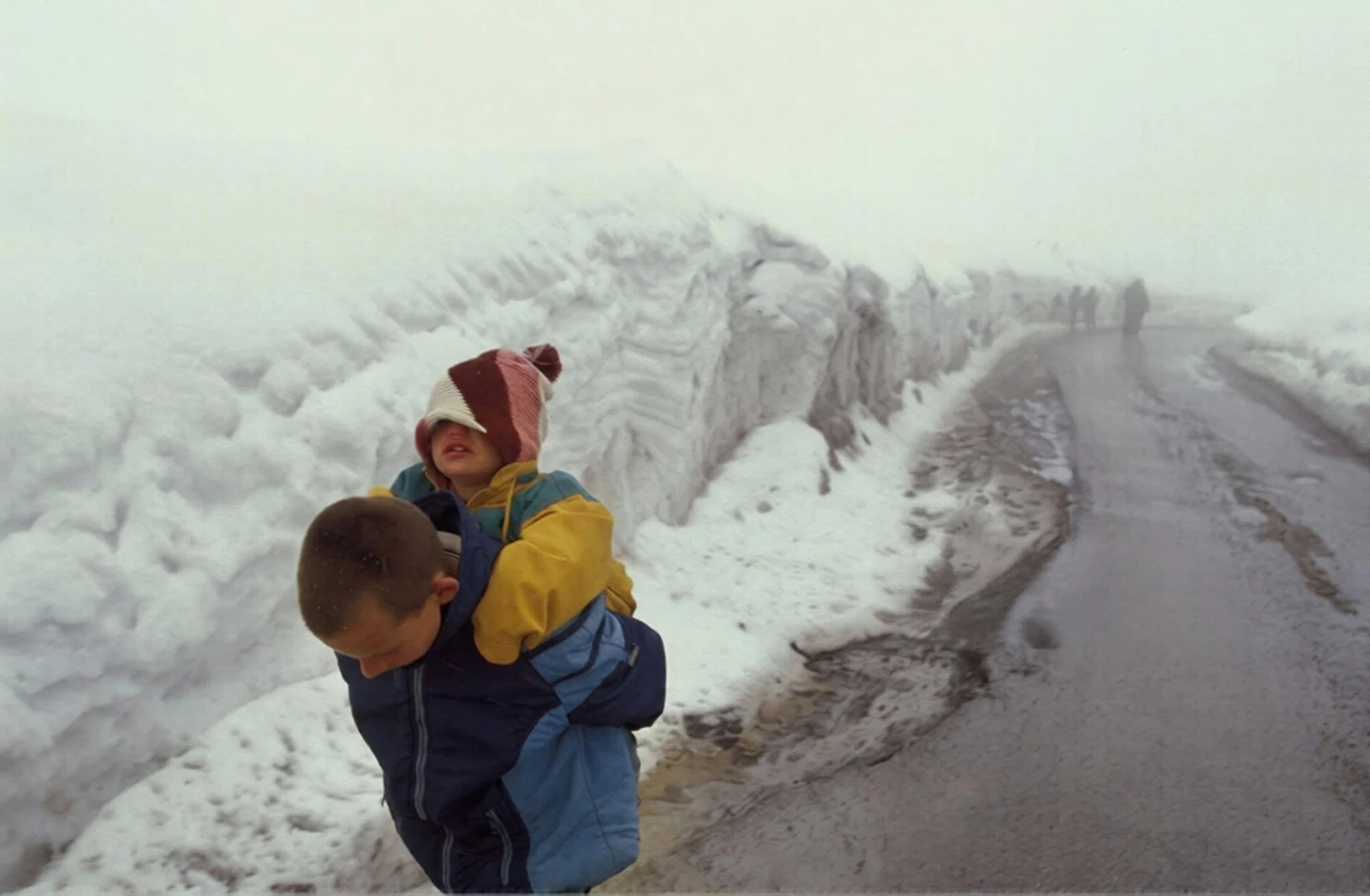
It remains one of the most painful chapters in this region’s recent history. But it also revealed something borders had never really erased: how closely Albanian communities on both sides were connected.
How did a bigger Albanian world become a smaller visible population?
There isn't one answer. And there definitely isn't one neat story called “assimilation”. Different generations experienced very different realities.
Borders moved. Families didn't. After the late-19th-century territorial changes that brought Ulcinj under Montenegro, the region entered a new political reality. University of Montenegro archival research documents land redistribution, the settlement of around 400 Montenegrin families and attempts by the state to reshape parts of the area's national and religious composition. But Albanian did not disappear. Language, family networks and local traditions continued across communities that were suddenly living inside a different state.
Keeping Albanian public became harder. During interwar Yugoslavia, Albanian communities had limited access to Albanian-language education and cultural institutions. Education was predominantly conducted in Serbian, while the same research documents political marginalisation, discrimination and military-police pressure affecting Albanian communities. This was not simply a demographic change. Institutions mattered too.
Albanian returned to the classroom. After the Second World War, Albanian-language education expanded. Schools opened. Teachers were trained. Literacy increased. Cultural institutions became stronger—even as the socialist state pursued its own ideological integration and reshaped older local structures. By 1991, 40,415 people officially identified as Albanian.
Then another generation started moving. The breakup of Yugoslavia, regional instability, economic change and migration reshaped the community again. Some Albanian-majority areas remained remarkably strong. Other communities became smaller. And thousands of families built lives outside Montenegro. By 2023, the recorded ethnic-Albanian population stood at 30,978.
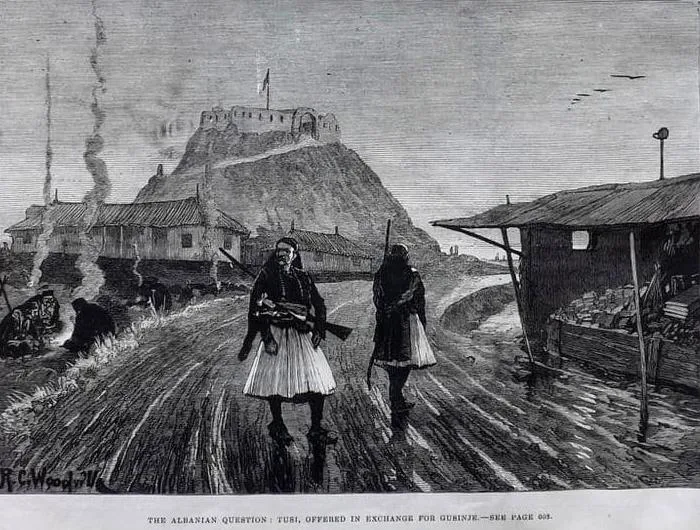
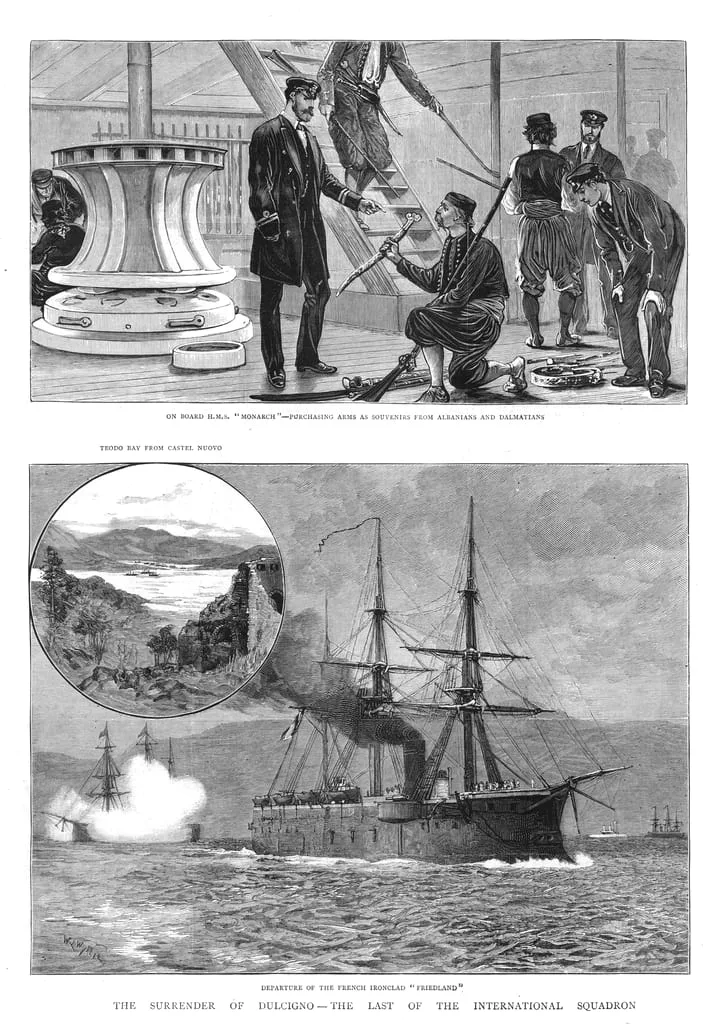
University of Montenegro archival study · State-archive research on Ulcinj after 1880
Three things happened at once
The Albanian story in Montenegro isn't simply “people disappeared”. It's more human than that.
Some stayed visibly Albanian
In places like Ulqin, Ana e Malit, Tuzi and Malësia, Albanian remained part of everyday family life. People kept speaking it. Teaching it. Singing it. Publishing in it. Arguing in it. Falling in love in it. Passing it on.
Some identities changed
Outside the strongest Albanian-speaking areas, keeping the language across generations could be harder. Urbanisation, majority-language education, administration, mixed households and weaker local institutions all played a role. Some descendants today identify as Albanian. Others may now identify as Montenegrin, Bosniak, Muslim, mixed—or differently again; the census cannot tell us how many. Those identities belong to them. A census tells us how people identified. It doesn't give us permission to redefine them.
And many left
Migration is one of the biggest pieces missing when you look only at Montenegro's resident population. An archival study estimates that roughly one-third of Ulcinj's Albanian population emigrated after 1880 alone. Later, families from Ulqin, Ana e Malit, Malësia, Guci, Plavë, Kraja and elsewhere built new lives abroad. America. Switzerland. Germany. Elsewhere across Europe. The village stayed on the map. The family went global.
Giving back, even from far away
For many Albanian families from Montenegro, leaving never really meant leaving everything behind. The family moved, the children grew up somewhere else, careers were built abroad — but home stayed part of the story.
Emina Çunmulaj is one example. Raised in an Albanian family from Montenegro before building an international modelling career in the United States, she has remained closely connected to the Albanian community and the region she came from.
That connection eventually became something practical. Through Emina’s Hand Foundation, she has supported families and communities in need, turning the idea of “giving back” into more than a phrase.
Her story is very different from the families who opened their doors to refugees in 1999. But there is a thread between them: distance doesn’t necessarily weaken a community. Sometimes it simply changes the way people show up for each other.
Where Albanian life is strongest today
Montenegro's Albanian population isn't spread evenly across the country. There are places where Albanian is not just part of history. It's part of Tuesday morning.
Ulqin / Ulcinj + Ana e Malit
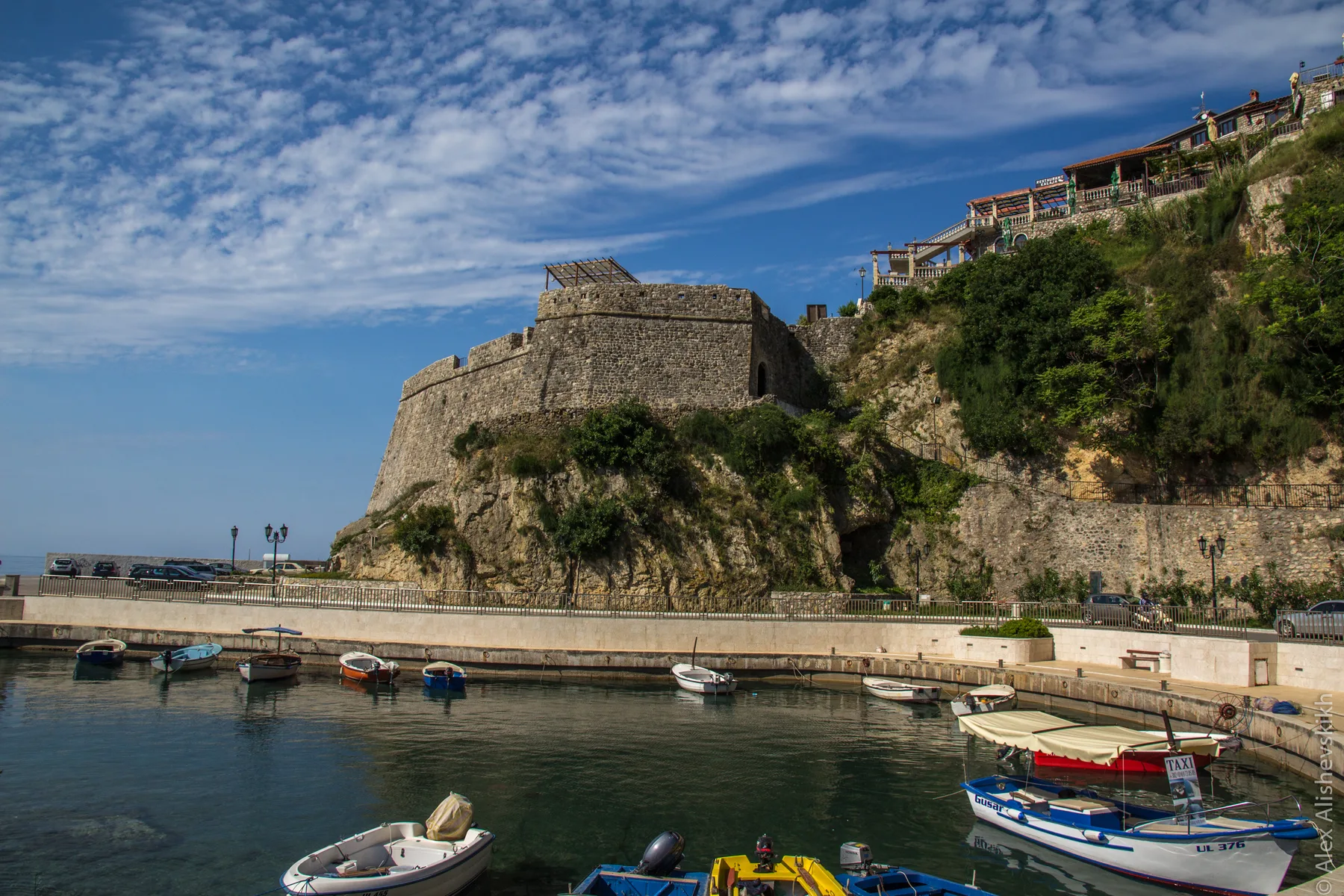
For many people, this is the first place that comes to mind when they think about Albanian life in Montenegro. Ulqin connects the Adriatic with Shkodër and the wider Albanian cultural world. Albanian remains visible in family life, local media, music, publishing and the traditions of surrounding villages. 15,078 residents identify as Albanian—73.53% of the municipality. But Ulqin isn't interesting simply because it has the biggest number. It's a place where Albanian identity feels lived, not displayed behind glass.
Tuzi / Tuz + Malësia
Hoti. Grudë. Triesh. Kojë. Malësia doesn't suddenly stop because a national border appears on Google Maps. Family connections, highland traditions, Catholic and Muslim life, songs and historical memory link communities across today's Montenegro–Albania border. 8,119 residents identify as Albanian—62.55% of Tuzi. This remains one of Montenegro's strongest Albanian-speaking centres.
Kraja / Krajina
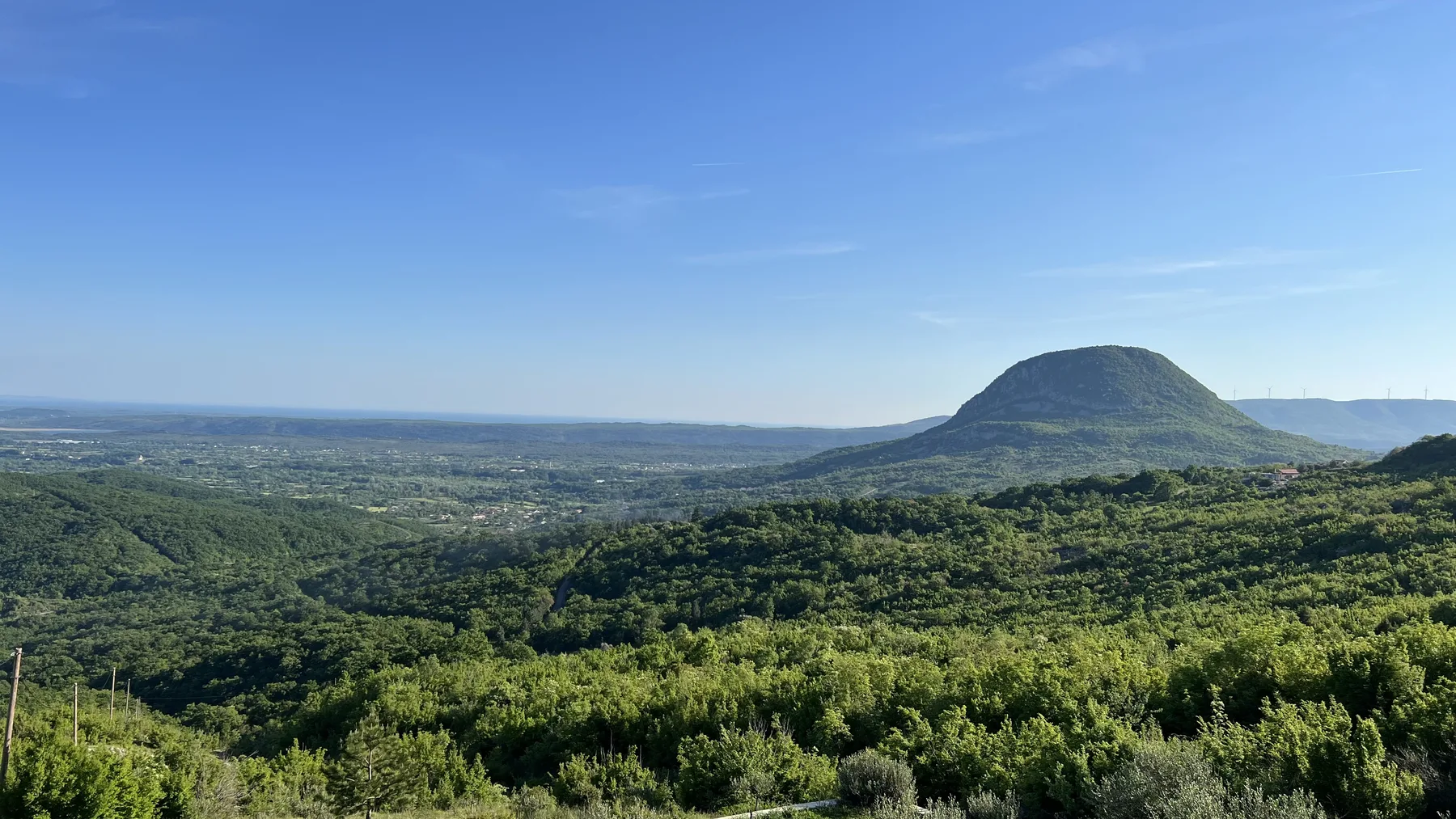
Between Lake Shkodër and Rumija sits a smaller Albanian world with its own villages, songs and traditions. Catholic and Muslim Albanian histories overlap here with centuries of contact with neighbouring Slavic-speaking communities. And contact doesn't always mean one identity replacing another. Sometimes it creates something much more Balkan: being completely comfortable in more than one language.
Plavë, Guci + Vuthaj
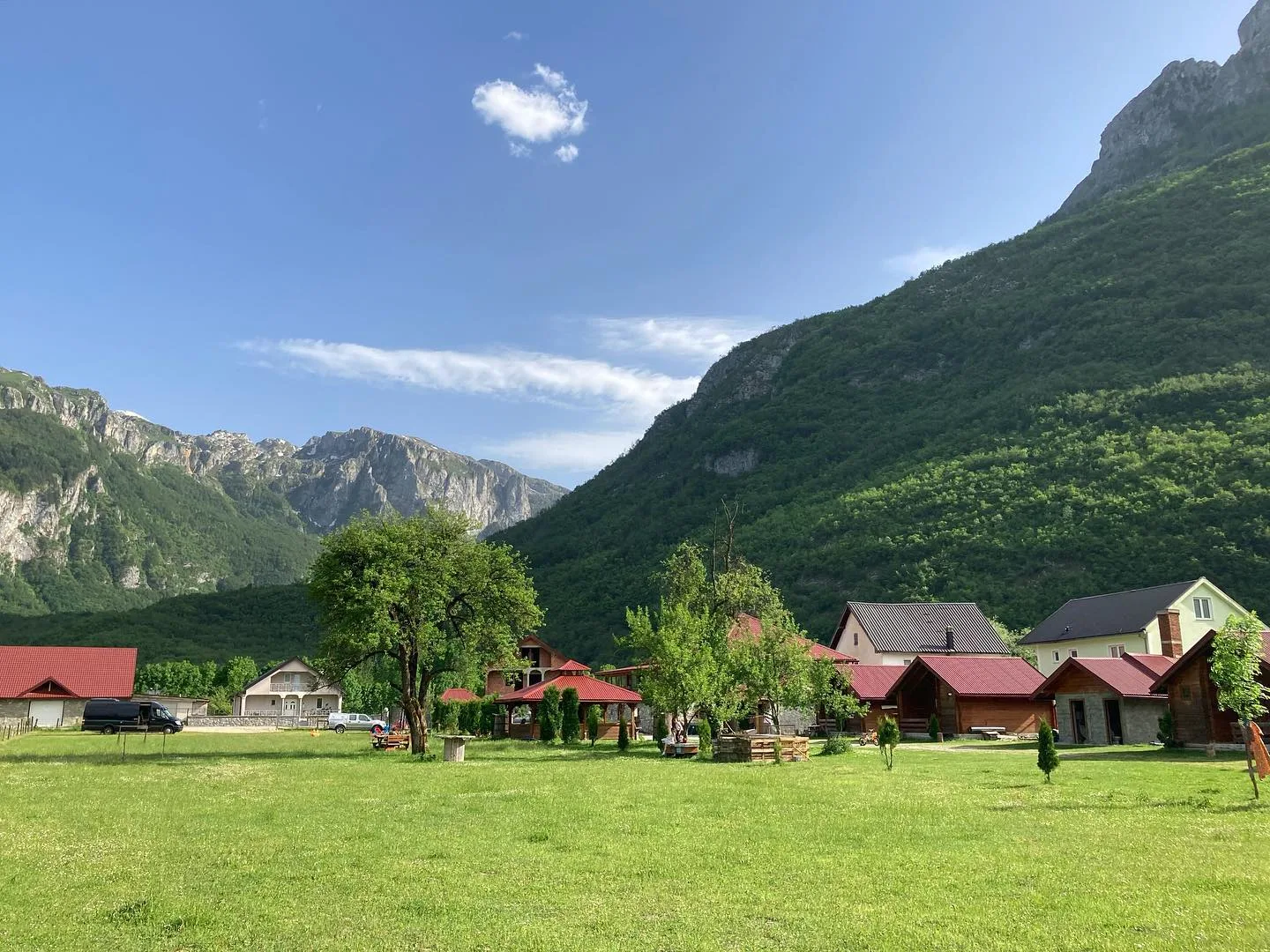
Small places can have very big diasporas. The highlands around Plavë, Guci and Vuthaj produced writers, artists and intellectuals whose lives connected Montenegro with Kosovo, Albania and the wider Albanian world. Today, hometown connections stretch far beyond the valley. Sometimes all the way to America.
Tivar, Rozhajë + Podgorica
Here, the community becomes more dispersed. And that matters. Because identity is easiest to maintain when the language surrounds you. Outside the strongest Albanian centres, family language, friendships, education and institutions become even more important. Podgorica is part of the modern story too: less ancestral village, more urban meeting point.
The numbers changed. But why?
Here's where we need to be careful. 40,415 people identified as Albanian in 1991. In 2023: 30,978 did. That's a real decline in the recorded number.
But subtracting one census from another does not tell us exactly what happened to every family in between. People emigrated. People died and children were born. Administrative boundaries changed. Families moved into cities. Mixed households became more common. Some people changed the language they used most often. Some changed how they described themselves. And during particular historical periods, Albanian communities also faced documented political, educational and institutional pressure.
Several things can be true at once. A census can show us that something changed. It cannot tell us every family's reason why.
The language test
One comparison tells us something particularly interesting. 32,725 people call Albanian their mother tongue. But 27,979 say they usually speak Albanian. Another 691 reported Albanian–Montenegrin usual use.
That gap matters. Because it describes something many Albanian families already understand personally. You can still feel that a language is yours… even when you don't use it every day anymore. So perhaps the most important question isn't only “Are you Albanian?” It's also “Will your kids speak Albanian too?”
What keeps Albanian alive?
Not statistics. People do.
- 👵 A grandmother refusing to switch languages.
- 📚 A child learning to read Albanian.
- 🎶 A song everyone somehow knows at a wedding.
- 📺 Albanian-language local media.
- ⛪ A church community.
- 🕌 A mosque community.
- 📖 Books and newspapers.
- 🏡 Going back to the village every summer.
- 📱 A voice note from a cousin living an ocean away.
Identity survives through tiny repetitions. Again. And again. And again. Until they become another generation's normal.
Albanian life today
Montenegro provides legal protections for minority-language education, media, culture and participation. Albanian preschool groups have operated in Plav, Gusinje, Ulcinj and Tuzi, alongside bilingual and Albanian-language public education.
Albanian-language textbooks form part of that continuity. So do local media and cultural institutions such as Koha Javore, RTCG's Albanian editorial team, TV Teuta, the National Council of Albanians and CEKUM. But legal protection doesn't automatically mean perfect everyday access.
European monitoring has also identified gaps between formal rights and implementation. The infrastructure matters. But ultimately, keeping a language alive still requires people to use it.
Muslim. Catholic. Albanian.
There isn't one way to be Albanian in Montenegro. Among ethnic-Albanian respondents in the 2023 census:
- 22,520 identified as Muslim
- 8,085 identified as Catholic
Alongside smaller Orthodox, other-Christian, non-religious and undeclared groups.
That diversity isn't a contradiction. It's part of the community's history. Ulqin doesn't look exactly like Malësia. Kraja doesn't look exactly like Guci. And it shouldn't. The interesting part isn't that every Albanian community is identical. It's that Albanian identity found different ways to survive in all of them.
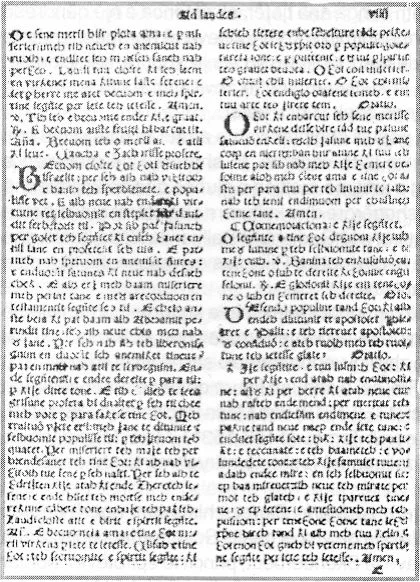
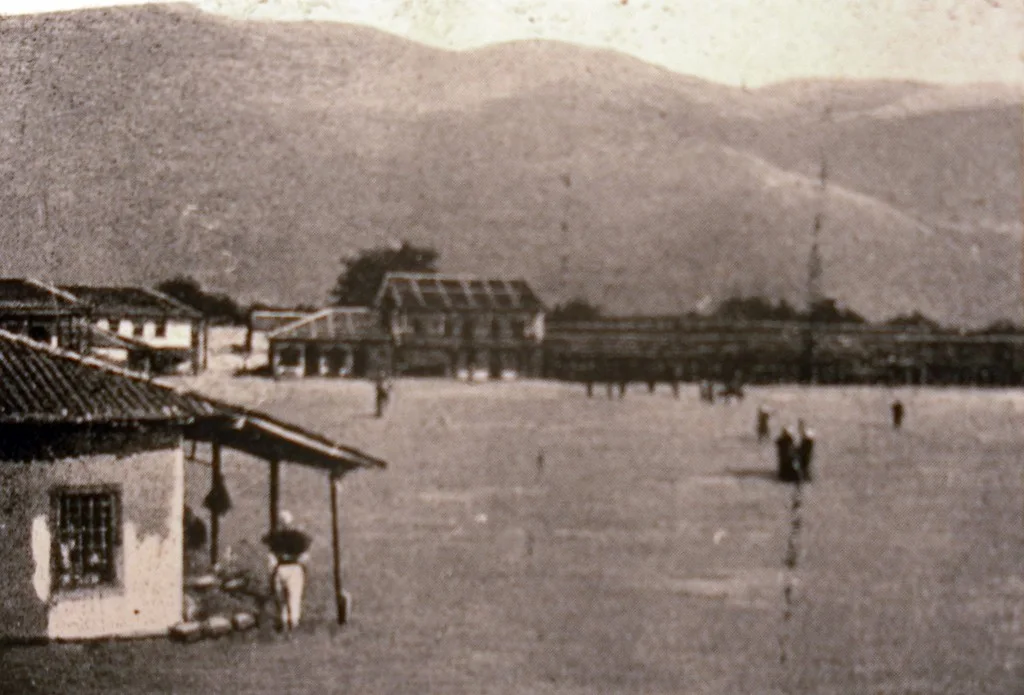
University of Montenegro: musical life in Ulqin · Malësori Këndon archive and song collection · RTCG documentary record of Tuzi history and customs · CEKUM · Fund for Minority Rights
Names that travelled far beyond Montenegro
Some people born in these communities became part of a much bigger Albanian story.
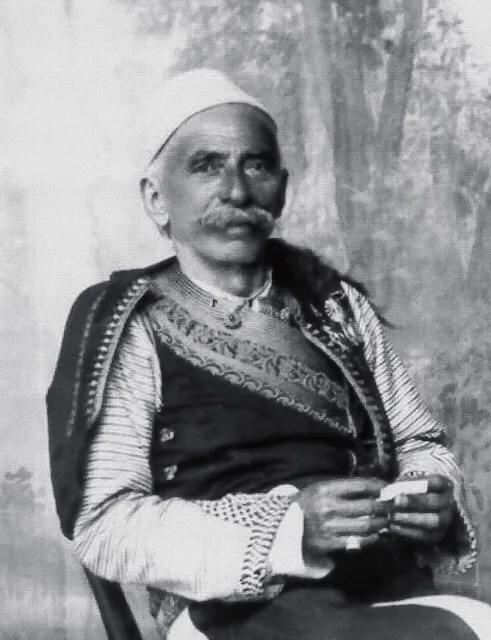
Ded Gjo Luli
Hoti
From Traboin in Hoti, he led the 1911 Malësia uprising and became a central figure in highland historical memory.
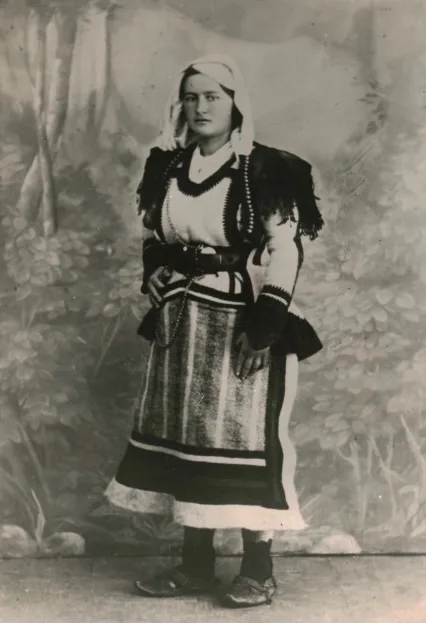
Tringë Smajli
Grudë
A woman of Grudë remembered for armed resistance in the late Ottoman period; her portrait survives in the Lekaj Museum archive in Tuzi.
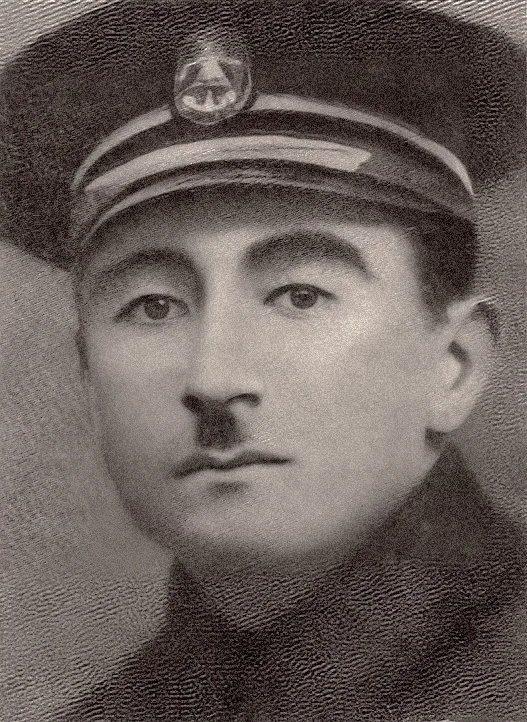
Mujo Ulqinaku
Ulqin
Born in Ulqin, the Royal Albanian Navy sailor became a symbol of resistance to the Italian invasion at Durrës in 1939.
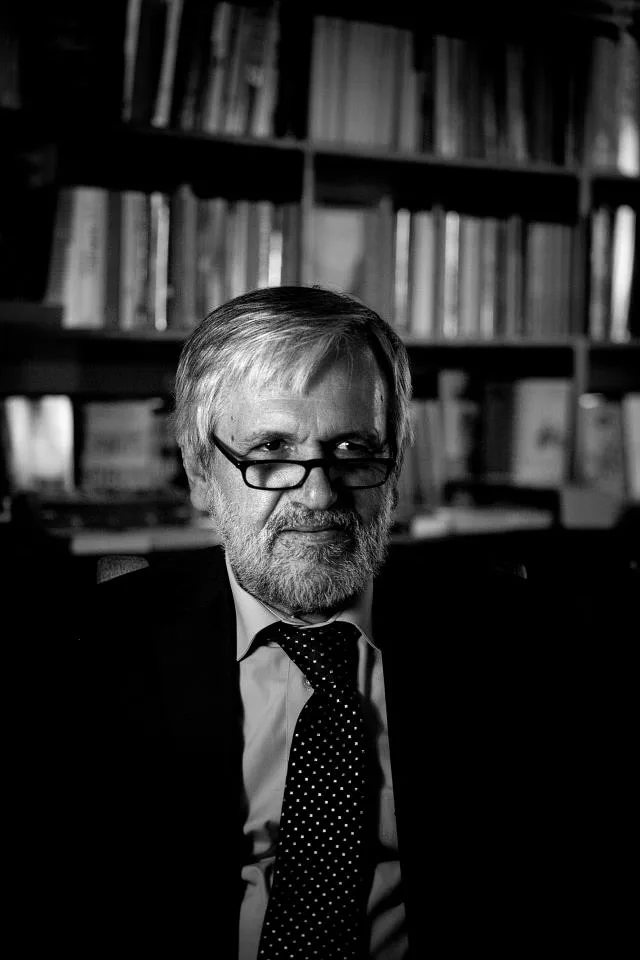
Mehmet Kraja
Kraja
Born in Kështenjë in Kraja, the novelist, dramatist and essayist became a member and later president of the Academy of Sciences and Arts of Kosovo.
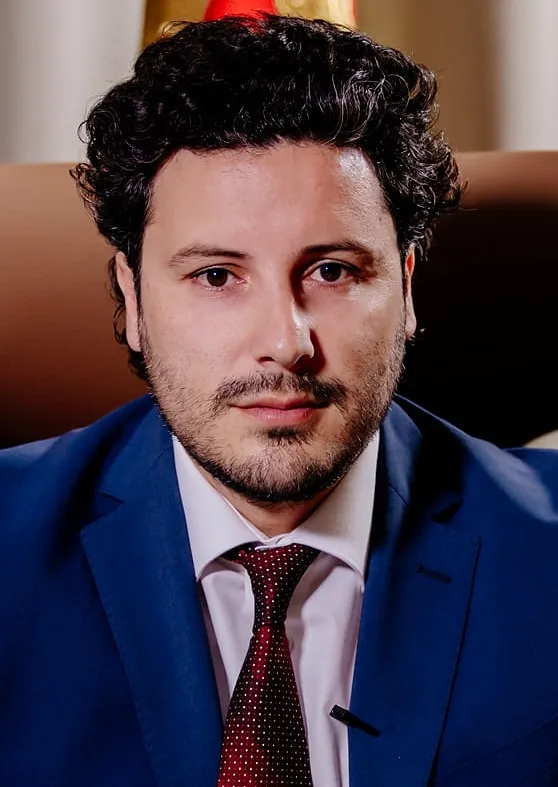
Dritan Abazović
Ulqin
Born in Ulcinj, the political scientist served as Montenegro's first ethnic-Albanian prime minister from 2022 to 2023.
And the list goes on
The wider list stretches through literature, art, cinema, scholarship and public life.
Esad Mekuli
Born in Plav in 1916, the poet, translator and editor helped build modern Albanian literary institutions in post-war Yugoslavia.
Rexhep Qosja
Born in Vuthaj in 1936, the literary historian, critic and writer became one of the Albanian-speaking world's most influential intellectuals.
Gjelosh Gjokaj
Born in Milješ in Malësia, the painter and graphic artist worked in Pristina, Rome and Augsburg and received Montenegro's 13 July Award.
Isa Qosja
Born in Vuthaj, the film director made works including Kukumi and Three Windows and a Hanging, bringing Kosovo and regional histories to international festivals.
Basri Çapriqi
Born in Krythë near Ulqin, the poet and critic connected Montenegro's Albanian literary scene with Pristina and the Academy of Sciences of Albania.
How Albanian is your love life?
Okay. Enough census tables for a second. Let's make this personal.
Where are you right now?
Where does “home” feel like?
And what's your situation?
Looking seriously Just seeing who's out there Coming home this summer I want someone who speaks Albanian My family keeps asking
Your dua.com mode
Why dua.com feels different here
dua.com wasn't built around random profiles from everywhere. It starts with something much more specific: the Albanian community.
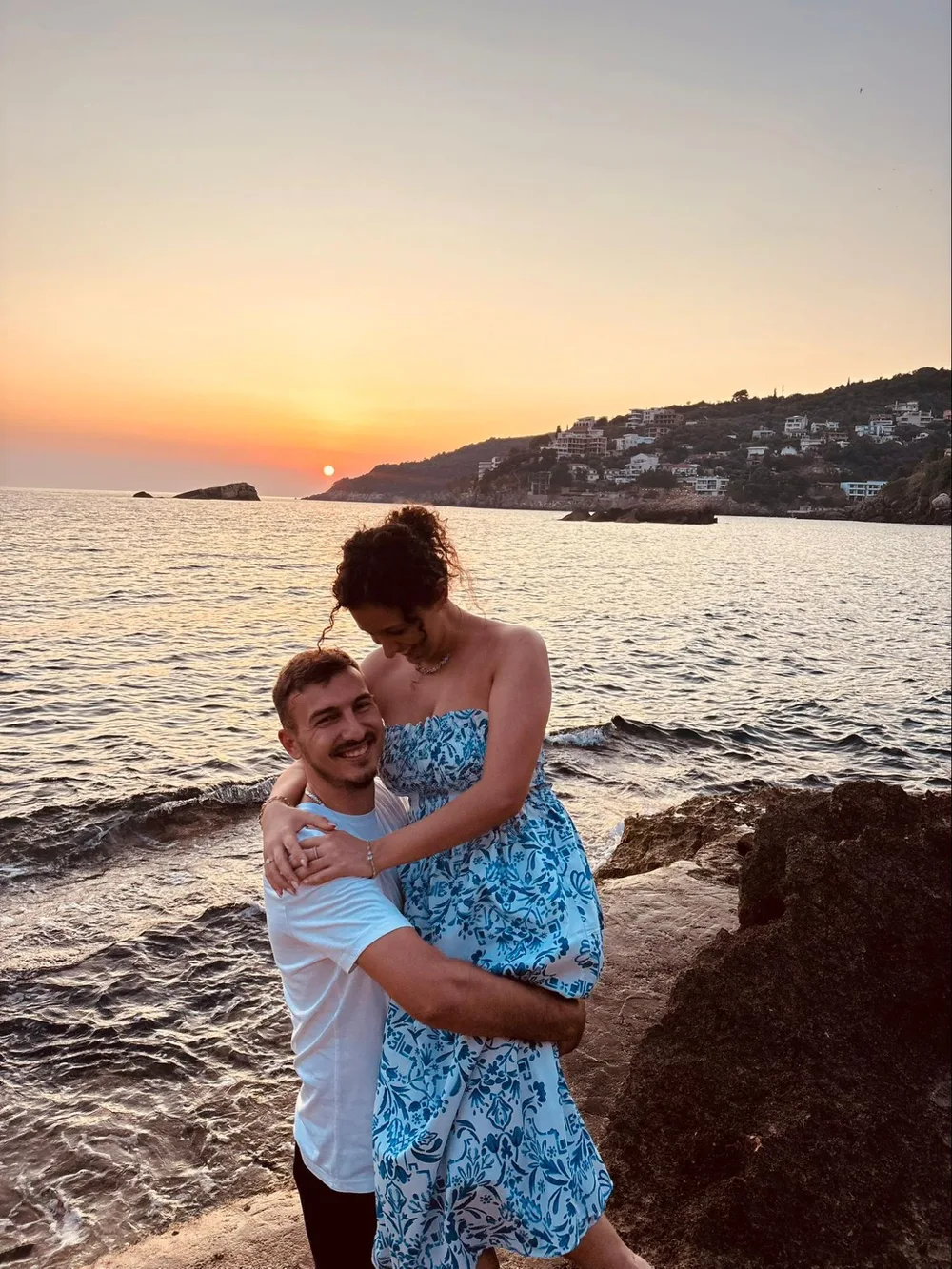
Verified profiles
Profile verification helps make discovery feel more human and less anonymous.
Intentions that actually matter
Looking seriously? Just exploring? Want someone who shares your language, faith or relationship goals? Those things can be part of discovery from the beginning.
Your person doesn't have to live next door
With Fly, you can explore another city or country. Useful when your Albanian world stretches from Montenegro to Switzerland, Germany, America or somewhere in between.
Less cultural explaining
Family. Language. Home. Diaspora. The summer trip. The parts that usually need a footnote already make sense here.
Keep the chain alive
You don't preserve a culture by saying it matters. You preserve it by using it. Speak Albanian with your parents. Teach your kids the words you grew up with. Ask your grandparents where the family came from. Record the answer while you still can.
Learn the Albanian names of the places on your family map. Support local schools, books, media and cultural events. Visit Ulqin. Go back to Malësia. Remember Kraja. Take the road to Guci. Hometown associations such as the Albanian-American Association of Ulqin, the Ana e Malit Association, the Malësia e Madhe Association in New York and the Gusinje Foundation show how the diaspora keeps those places close.
And if your family now lives somewhere completely different? Keep finding each other. The map changed before. The connection doesn't have to.
Don't just read the history. Hear it.
Some stories make more sense when the people who lived them tell them themselves. The films are embedded from official channels through YouTube's privacy-enhanced player; nothing is copied or rehosted. Oral history and legend give context, not census evidence.
Rexhep Ferri remembers Albanian schools in Plavë–Guci
A first-person memory connected to language, schooling and Albanian identity in the region.
Oral History Kosovo · interview part one · Albanian audio · English, Albanian and Serbian transcript on the source page
The 1969 reconciliation pledge
A look back at the historic reconciliation initiative within Montenegro's Albanian communities.
BIRN Balkans · 15:51 · burned-in English subtitles
Earlier life in Ulqin
Oral-history memories of everyday life in older Ulqin.
TV Teuta · Albanian audio; no platform caption track was found
Tradita from Ana e Malit
Music, clothing and performance from one of Montenegro's strongest Albanian cultural areas.
TV Teuta · Albanian audio; no platform caption track was found
Legends from Ulqin
Because community history isn't made only from census tables. It's also made from the stories people refuse to forget.
TV Teuta · a YouTube caption track was available when checked
Want to go deeper?
Explore the census tables, archival accounts and institutional records behind this guide. The source notes explain what each document measures and connect the national figures with the places and families described here.
Each source answers a different question. And just as importantly, each source has limits. That's why this page keeps ethnicity, language, citizenship, birthplace, religion and ancestry separate instead of blending them into one giant “Albanian population” number.
The community got bigger than the map
- From Ulqin to New York.
- Malësia to Zurich.
- Guci to Detroit.
- Different cities.
- Different passports.
- Different versions of the same
- “Where are you really from?” story.
For generations, Albanians found each other through villages, family networks, weddings, community institutions and the trip back home. Today, there's another way. dua.com brings that scattered Albanian community into one place—with verified profiles, Albanian-first discovery and Fly when the person you're looking for isn't in the city you're standing in.
Maybe you live in Ulqin. Maybe your parents left Malësia years ago. Maybe your surname takes you back to Guci but you've never actually been. Maybe Montenegro is mostly a place you've heard about around the family table. Distance changes a lot.
It doesn't automatically erase recognition. That feeling when someone knows the same places. Pronounces your surname correctly. Understands why “home” can mean more than one country. Knows the family questions before they're even asked. That's the part a census can't measure.
And it's the part dua.com was built around. Not to decide who's Albanian. Not to turn app registrations into population statistics. But to make a scattered Albanian world feel a little less scattered.
FAQ
How many Albanians live in Montenegro?
Montenegro's 2023 census counted 30,978 residents who identified as ethnically Albanian. It also recorded 32,725 people with Albanian as their mother tongue. After removing the overlap between those groups, 34,292 residents have direct Albanian ethnicity-or-mother-tongue evidence. That does not measure everyone with Albanian ancestry or everyone descended from Montenegro's Albanian communities living abroad.
Where do most Albanians in Montenegro live?
The strongest concentrations are in Ulqin/Ulcinj and Tuzi/Tuz, with important historical Albanian communities around Ana e Malit, Malësia, Kraja, Guci/Gusinje, Plavë/Plav, Tivar/Bar and Rozhajë/Rožaje. Albanians also live in Podgorica and elsewhere in Montenegro.
Are Albanians native to Montenegro?
Many Albanian communities in present-day Montenegro are historic populations whose presence predates the country's modern borders. This is particularly important around Ulqin, Ana e Malit, Malësia, Kraja and the Plavë–Guci region. Montenegro's Albanian story therefore shouldn't be understood simply as modern immigration.
Has the Albanian population declined?
The recorded ethnic-Albanian population declined from 40,415 in 1991 to 30,978 in 2023. But census change cannot be attributed to one cause. Emigration, births and deaths, urbanisation, administrative changes, mixed households, language shift, self-identification and historical political pressures all form part of the story.
Do Albanians in Montenegro still speak Albanian?
Yes. The 2023 census recorded 32,725 residents with Albanian as their mother tongue, while 27,979 reported usually speaking Albanian. The difference between those figures is one reason language transmission between generations matters so much.
Are Albanians in Montenegro Muslim or Catholic?
Both traditions are important. Among ethnic-Albanian respondents in the 2023 census, 22,520 identified as Muslim and 8,085 as Catholic, with smaller numbers recorded in other religious or non-religious categories. Religious diversity has long been part of Albanian life in Montenegro.
Is Albanian protected in Montenegro?
Montenegro provides legal protections for minority languages and minority communities, including rights relating to education, culture, media and local official use under defined conditions. How fully those rights are implemented can vary by place and institution.
Is Montenegro's Albanian community a diaspora?
Not in the usual sense. Many Albanian communities in Montenegro are historic native communities rather than populations created primarily through recent immigration. At the same time, those communities now have large diaspora networks abroad, creating strong connections between Montenegro, Albania, Kosovo, the United States and Western Europe.
Can I meet Albanians from Montenegro on dua.com?
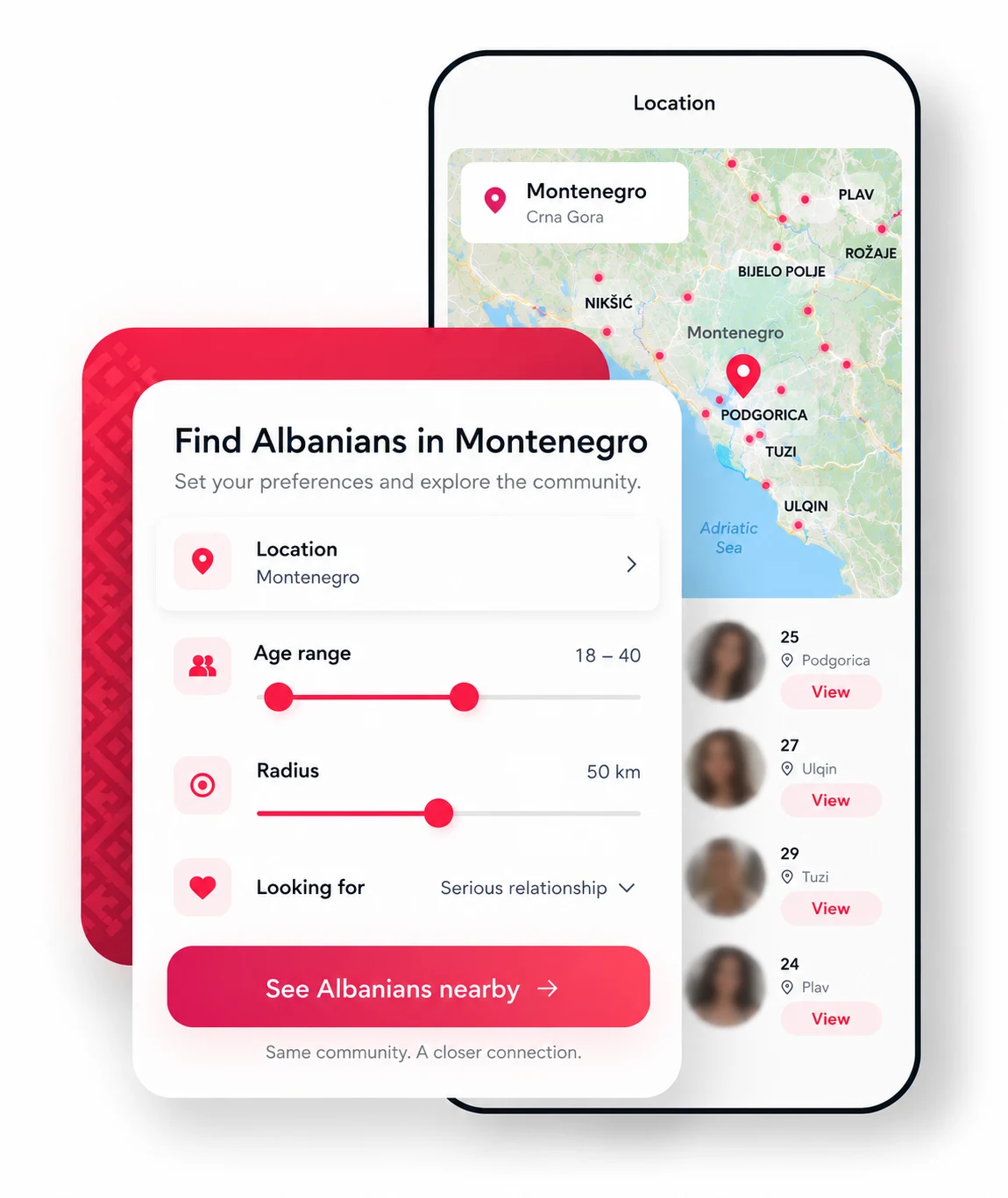
dua.com is built around the Albanian community and helps people discover verified profiles locally and across the wider diaspora. Set your location to Montenegro, or use Fly to explore Ulqin, Tuzi or the diaspora cities when the people you're interested in aren't nearby.
Does dua.com's user data count toward Montenegro's Albanian population?
No. dua.com users are a self-selected community and may live anywhere in the world. App registrations, matches, Fly locations or activity are not population statistics and are never added to census figures. MONSTAT tells us about population. dua.com helps that population—and the much wider Albanian world—find each other.