
Albanian Oslo has a radio station older than many of its listeners, a school built by parents and teachers, and footballers whose first pitches were in Groruddalen. In 2026, the city records 3,256 people with Kosovo background, 2,120 with Albania background and 2,361 with North Macedonia background. Those categories illuminate the community without defining its ethnicity. The more revealing story is what people have built between arrivals and the next generation.
On 1 July 2026, radio editor Alush Balichi appeared on MCN TV to discuss Albanian broadcasting in Oslo, which began in 1987. He spoke about choosing knowledgeable guests and the school sharing the community’s premises. A microphone and a classroom serve different generations in the same building: one carries the day’s conversation, the other gives children the words to join it. MCN TV · 01.07.2026
How many Albanians live in Oslo?
There is no official ethnic-Albanian population total for Oslo. Statistics Norway (SSB) counts immigration category and country background. At 1 January 2026, Oslo municipality had 3,256 people in the Kosovo-background category, 2,120 in the Albania-background category and 2,361 in the North Macedonia-background category, combining immigrants and Norwegian-born people with immigrant parents.
The first two categories sum to 5,376; all three sum to 7,737. Neither sum is an ethnic census. Kosovo and Albania have minority communities, while North Macedonia includes substantial Albanian and Macedonian populations. A person’s country background does not tell us which language they speak or how they identify.
Norway’s categories also differ from a list of foreign passport holders. A naturalised Norwegian can remain in the immigrant-background statistics. Conversely, people with one immigrant parent and later generations are not all included in these two categories. We therefore do not add naturalisations to the total, apply an invented ethnic percentage, or call 7,737 a count of Albanians.
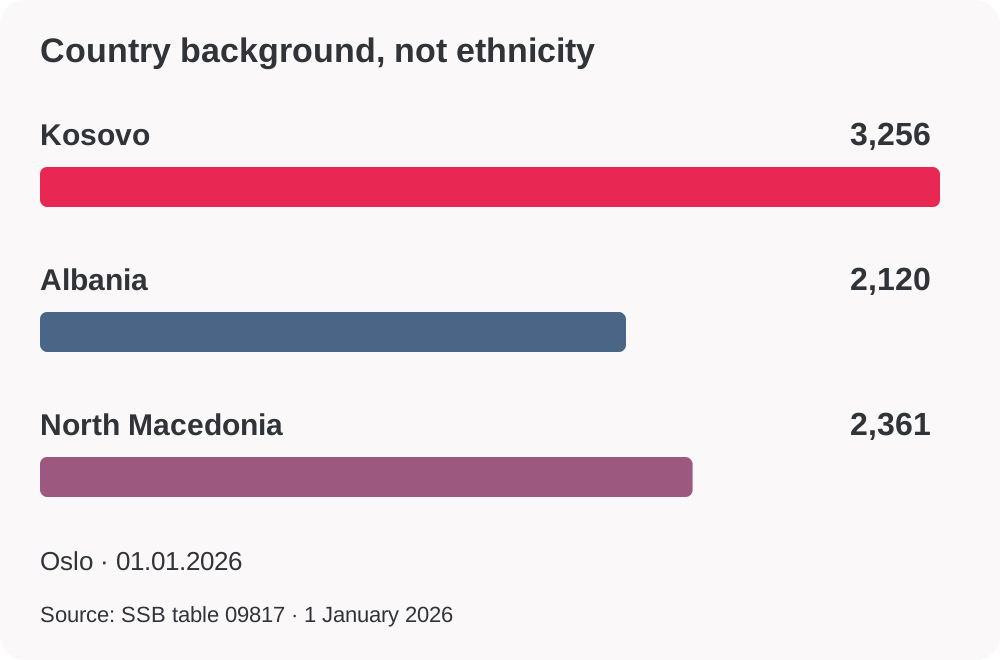
The table beneath the chart separates people who migrated themselves from those born in Norway. The distinction explains part of the community’s everyday life: a family can share an Albanian language and a connection to Kosovo while its members have very different relationships with migration.
| Country background | Immigrants | Norwegian-born to immigrant parents | Total |
|---|---|---|---|
| Kosovo | 1,966 | 1,290 | 3,256 |
| Albania | 1,811 | 309 | 2,120 |
| North Macedonia | 1,525 | 836 | 2,361 |
An Oslo community, an Oslofjord network
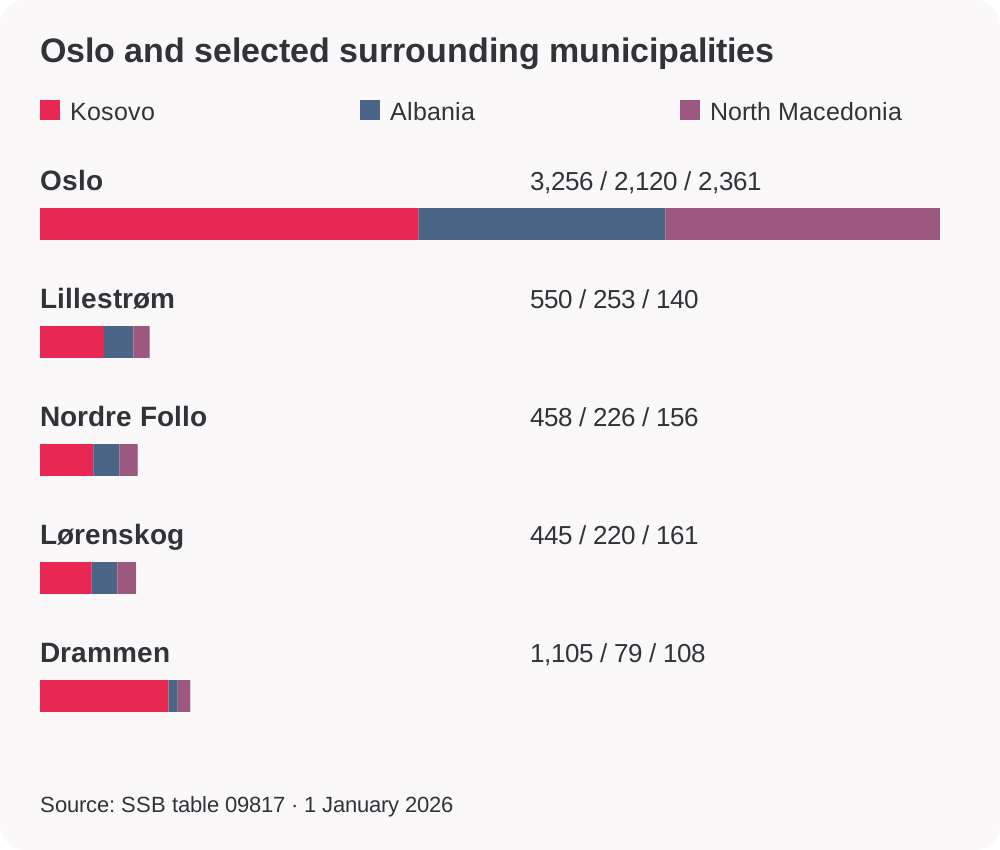
The figures above describe Oslo municipality. Lørenskog, Lillestrøm and Nordre Follo are separate municipalities in Akershus. Drammen is in Buskerud. Family, sport and school networks can cross those boundaries; city statistics cannot simply absorb them.
The surrounding places matter in their own right. In 2026, Lillestrøm records 550 people with Kosovo background, Nordre Follo 458 and Lørenskog 445, in the same two SSB immigration categories. Drammen records 1,105. Adding Albania and North Macedonia produces different totals, shown below with each category kept visible. These are selected municipalities, not a complete ranking of the metropolitan area.
Within Oslo, local reporting locates footballer Flamur Kastrati’s childhood in Rødtvet and his education at Bjerke. Rilindja’s current football fixtures include Haugerud. Those are documented points on a community map, not evidence that an entire district is Albanian. We found no comparable current neighbourhood-level ethnic count to justify declaring an “Albanian quarter”.
For a newcomer, the useful map is often a map of activities: the school a child attends, the pitch where friends play, the association whose programme is open to visitors. Check the venue of the specific event. An organisation’s registered address and its match ground are not necessarily the same place.
Before the refugees, there were already institutions
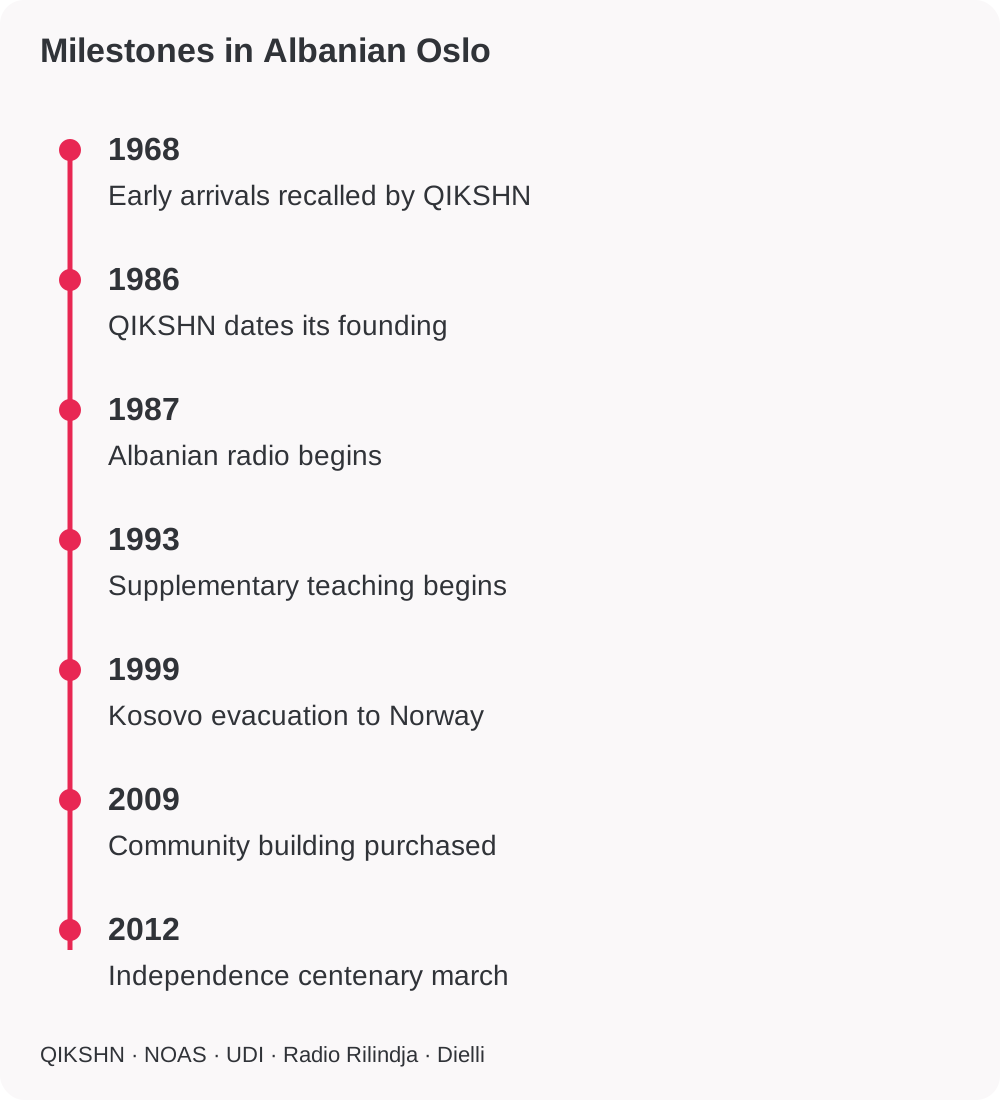
Albanian migration to Norway did not begin with the Kosovo war. The Albanian Islamic Cultural Centre’s own history traces early arrivals from the then Yugoslav republic of Macedonia to 1968. It describes small gatherings in flats before the organisation took shape in the 1980s, and dates its founding to 1986. These are the institution’s recollections of its beginnings, not a count of everyone who arrived.
The radio supplies another marker: Albanian broadcasts began in 1987, according to editor Metush Bajrami’s account to Telegrafi. The name Radio Rilindja followed in 1992. Its history predates Kosovo’s independence and the internet platforms through which people now listen.
1993: insecurity and a classroom
The Norwegian Organisation for Asylum Seekers documents the asylum disputes and church sanctuary of 1993. The school’s history belongs to that same period: Gani Banjska and Qatip Haliti brought people together around supplementary Albanian teaching in the summer of 1993, according to a published account of the school’s beginnings. An educational study describes a language-and-culture school in Grønlandsleiret in 1994. Accounts that use 1995 refer to its subsequent formal establishment. Those dates describe stages in building an institution, rather than a single neatly agreed birthday.
1999: a Norwegian operation, not an Oslo population count
UDI’s 1999 annual report records 6,099 evacuees on 45 aircraft in Norway’s Kosovo evacuation. It is a national historical figure. Landing at an airport serving Oslo did not mean settling in Oslo, and temporary protection did not mean that everyone stayed permanently. The towns around the Oslofjord and communities elsewhere in Norway have their own histories of reception and settlement.
That distinction changes how the story is told. Oslo became an important centre of institutions and public visibility, but it does not own every Albanian-Norwegian biography. The national guide follows the wider geography; this page stays with the capital and identifies excursions beyond it.
Two generations in the same register
In Oslo’s Kosovo-background category, the number of Norwegian-born people with immigrant parents rose from 615 in 2010 to 1,290 in 2026. The immigrant category rose more modestly, from 1,560 to 1,966. In the Albania-background category, immigrants rose from 117 to 1,811, while the Norwegian-born category went from 22 to 309.
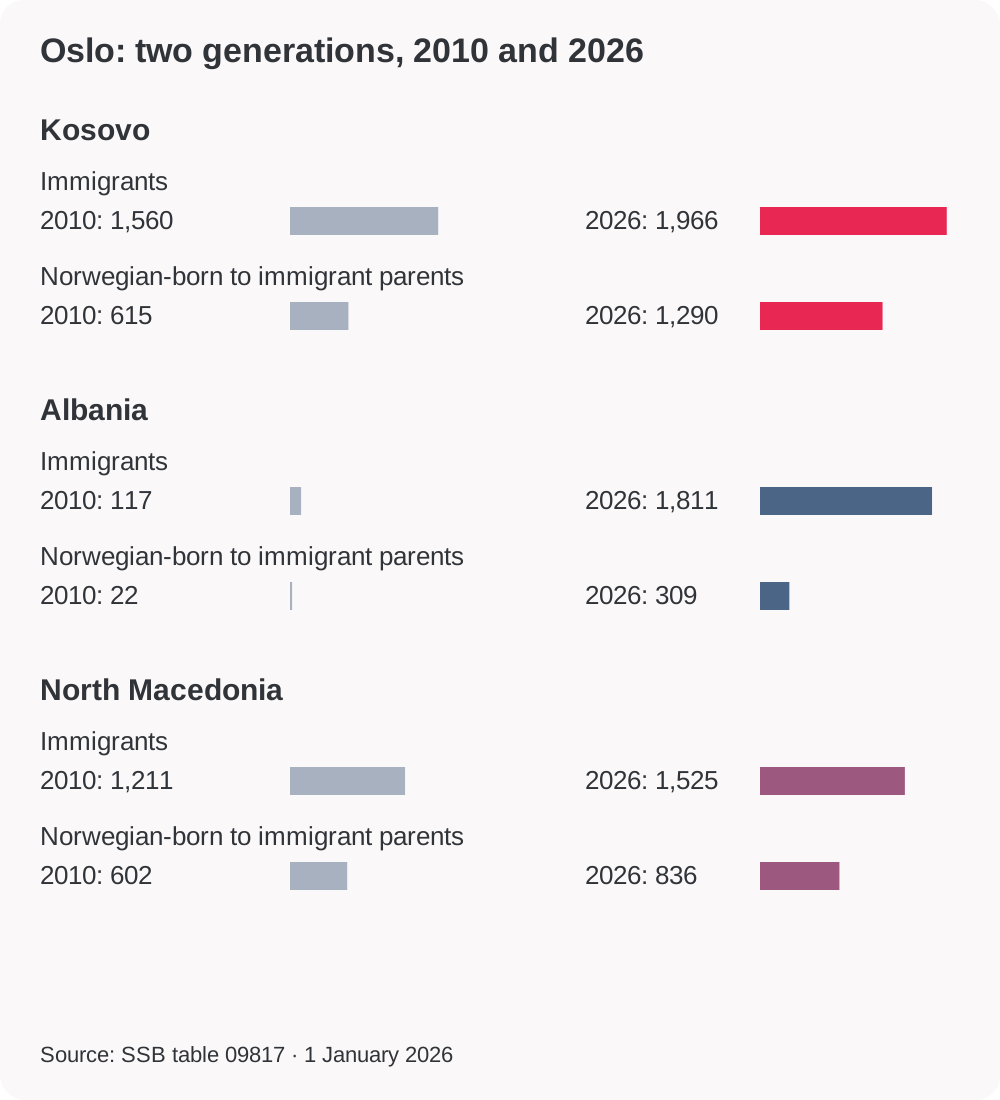
These are two snapshots, not a record of the same families followed over time. Births, migration, deaths and the statistical definitions all affect them. Even so, they show why a single refugee narrative is insufficient: the Albania-background group reflects substantial more recent immigration, while the Kosovo-background group includes a large generation born in Norway.
For that Norwegian-born generation, supplementary school is not preparation for arrival. It is a place to learn a language that may already be part of family life, with reading and writing added to speech. For a newly arrived parent, the same classroom can be a way into an established local network. The institution has to hold both experiences.
Learning Albanian after the Norwegian school week
Shkolla Shqipe “Naim Frashëri” is Oslo’s documented supplementary Albanian school. Its name invokes the poet associated with Albanian cultural education; its local history is the practical work of teachers, parents and volunteers. This is supplementary learning alongside ordinary schooling, not a replacement for Norway’s school system.
QIKSHN’s registration form is for children aged 6–15. Families choose Albanian lessons, religious education at Urtësia, or both. Groups are arranged by age and the timetable is sent after registration. Ask the provider about the current term, location and fees.
A 2023 study published by Muslimsk Dialognettverk describes the two schools and the development of their educational work. It gives institutional context, while the current form supplies the practical next step. For the broader region, Ski belongs to Nordre Follo, so a school described as being in Ski should not be presented as an Oslo-city campus.
A community building is more than a place of worship
The Albanian Islamic Cultural Centre, QIKSHN, is one visible institution in Oslo’s Albanian life. Its account describes the purchase of a former factory in June 2009 for worship and education. Radio Rilindja’s contemporary film below records the building project from within the community.
The organisation is a religious community, not a representative register of all Albanians in Oslo. Its own membership claim covers its organisation and has no clear current reference date; it is not used here as a city population statistic. Albanian identity does not imply membership, religious observance or agreement with any institution’s programme.
There is also current evidence of work beyond a building project: Sparebankstiftelsen DNB lists a NOK 180,000 grant in 2026 to Albansk Islamsk Kultursenter for activities, refreshments, talks and excursions under “Gode forbilder”. The award documents funding for a programme; it does not prove that every planned activity has already happened.
Names need care. The cultural association Rilindja, Radio Rilindja and Rilindja IL appear in different kinds of sources. A shared name is not proof that they are the same legal organisation. The directory below points readers to the relevant provider for broadcasting, school registration or football.
The voice that keeps crossing the city boundary
Radio Rilindja is part of Oslo’s community infrastructure. In his 2020 Telegrafi interview, Metush Bajrami described volunteer broadcasting, the move into a dedicated studio in 2018 and a programme spanning community life. His estimate of Albanians in Norway was a community estimate for the whole country, not an Oslo count.
Watch the full Albanian-language interview on MCN TV’s YouTube channel.
The 2026 interview with Alush Balichi brings that story forward. He discusses the choice of guests and the radio’s connection with education. The original interview is in Albanian; the short account above is a summary, not an English transcript. The original video lets readers hear the speaker rather than rely only on our retelling.
The station’s own video archive is particularly valuable because it keeps records that do not usually enter an official statistical table: a club gathering, a march, an interview, the construction of a community building. These recordings are historical evidence of particular occasions. They should not be mistaken for a promise that the same event or programme still runs today.
When the community becomes visible in the street
Radio Rilindja recorded a march by young Albanians in Oslo for the centenary of Albanian independence in 2012. It is a city-specific scene of public celebration, preserved by a local Albanian publisher. The camera documents that occasion; it cannot tell us the residence or citizenship of everyone present.
There is a quieter performance history too. Sokol Demaku’s report of Naim Frashëri’s fifteenth-anniversary celebration in 2010 describes pupils’ songs and recitations, with the Oslo folklore group Rilindja and music group Ilirida contributing. School, music and association life meet in one documented programme. We do not turn those historical participants into an unverified list of currently active groups.
For contemporary concert-going, Alba Nights’ own archive documents an Eventhallen concert in Oslo on 3 November 2023 with Ledri Vula, Lyrical Son and MC Kresha. Its later listings include Drammen and Fredrikstad. Those events belong to the wider regional circuit, not to Oslo simply because the audience overlaps.
Event archives are invitations to discover an organiser, not current ticket calendars. Before making plans, read the specific date, town, venue and age limit on the organiser’s current listing. No future concert is asserted here without a confirmed announcement.
From Rødtvet’s pitches to Rilindja’s touchline
Flamur Kastrati gives the Oslo story a precise geography. In 2009, local newspaper Groruddalen reported the seventeen-year-old from Rødtvet leaving Skeid and Bjerke upper secondary school for FC Twente. A decade later, speaking to the same newspaper, he credited the valley and hours on its informal pitches for his development. The local route matters as much as the professional destination.
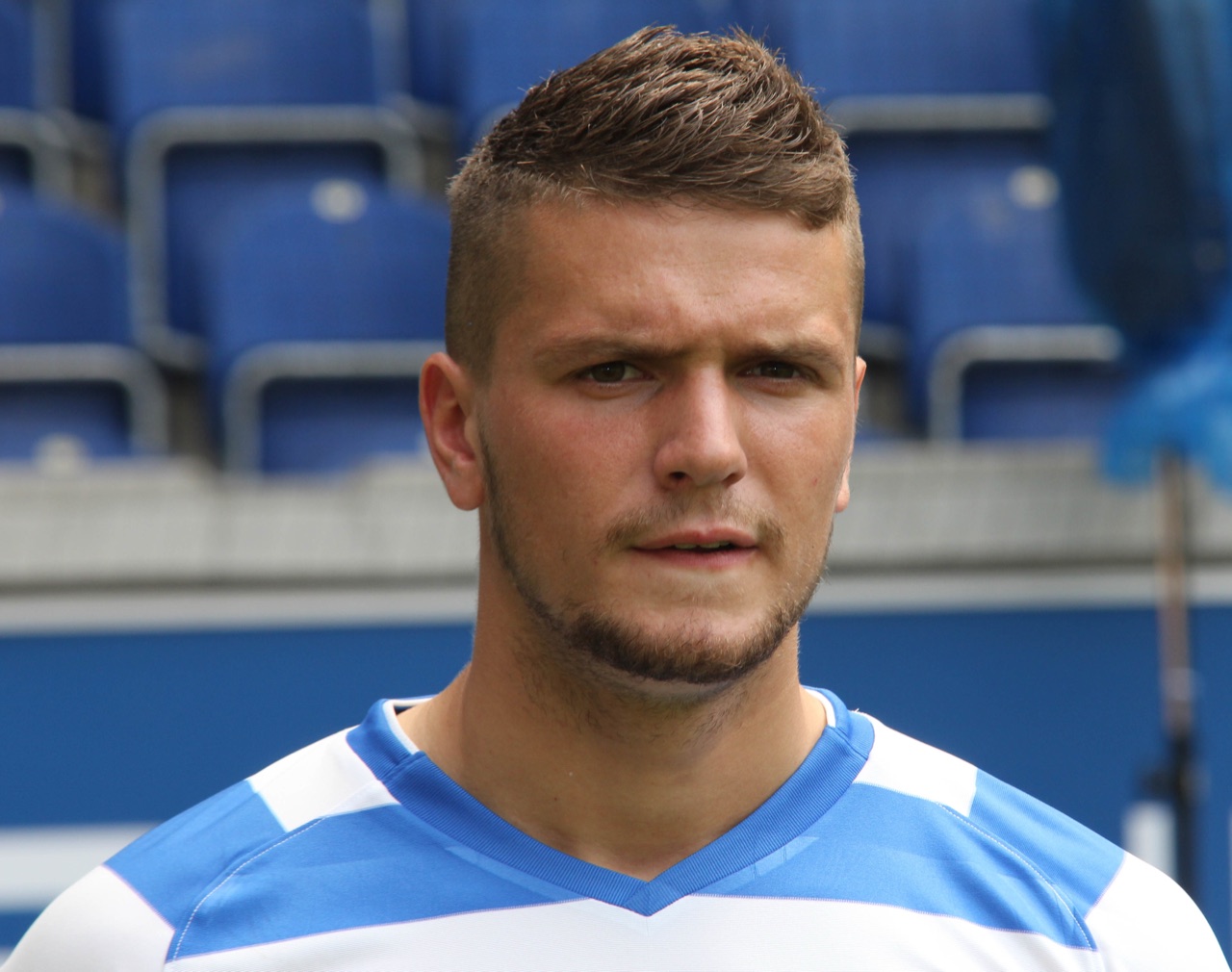
Ardian Gashi’s connection with the capital came through Vålerenga. He grew up in Kyrksæterøra before his playing career brought him to the Oslo club. The photograph records that chapter of his life.
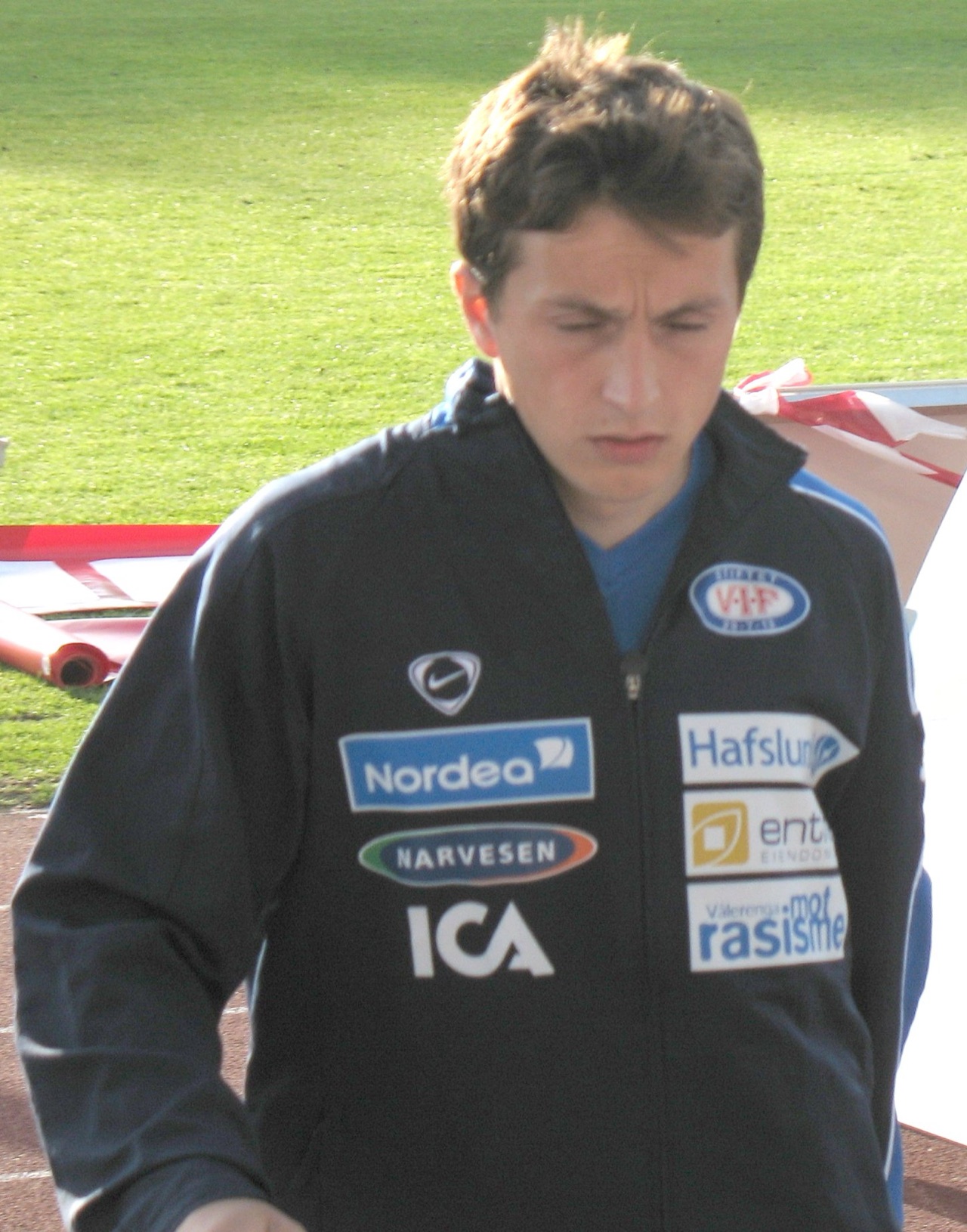
For a community activity that a reader can actually follow, Rilindja IL belongs to NFF Oslo. The Norwegian Football Federation’s 2026 senior-team listing places it in the sixth division and includes home fixtures at Haugerud kunstgress. Consult the current schedule before travelling; matches and pitches can change.
Radio Rilindja’s club interview is an archival view of the organisation, with Shkëlzen Kokleci speaking. It sits here alongside the present-day federation link deliberately: one preserves the club’s community memory, the other helps a visitor find a match now. Neither is a recruitment guarantee or a claim about every player’s ethnicity.
Everyday connections, with room for different lives
School registration, a radio interview and a football fixture describe recurring ways to take part. None requires the community to have one lifestyle. A student, a recent arrival from Albania and someone born in Oslo to parents from Kosovo can share language and family references without sharing a migration history, faith or social circle.
Practical support should likewise start with the question at hand. Oslo municipality supplies local school and city-service information; UDI supplies immigration information for Norway. Kosovo’s diplomatic services and Albania’s diplomatic services are separate, just as their citizenships are separate. An Albanian-language community contact can help explain where to look, but cannot replace the authority responsible for an application.
Migreta Dervishi brings another Oslo story into view. In a 2024 Dritare TV interview, the woman from Vlora described studying social work in Albania, continuing her education in Norway and working as a speech and language therapist in Oslo. She also discussed writing an Albanian-language book about dyslexia and reading and writing difficulties. Her account shows knowledge travelling back toward Albania, alongside the more familiar movement of people northward. It is a professional biography reported in her own interview, not a city-wide employment pattern.
For meeting people, start with an activity you would enjoy in its own right and check whether it welcomes new participants. Dating adds a different need: finding someone who shares your roots and intentions across a city boundary. dua.com offers another way for Albanian adults to connect in Oslo, elsewhere in Norway and abroad.
The city’s Albanian history continues in ordinary decisions: to help run a programme, to attend a match, to give children time with another language. Nearly four decades after Albanian radio began, Oslo’s story is about sustaining those opportunities as much as establishing them.
Useful local links
Sources checked 11 September 2026
- Naim Frashëri / Urtësia — QIKSHN
- QIKSHN
- Radio Rilindja · YouTube
- Rilindja IL — NFF Oslo
- Alba Nights
- Oslo kommune
- UDI
Albanians in Norway · Albanians around the world · Albanians in Zurich
Questions about Albanian Oslo
How many Albanians live in Oslo?
There is no official ethnic total. At 1 January 2026, SSB counted 3,256 people with Kosovo background, 2,120 with Albania background and 2,361 with North Macedonia background in Oslo municipality, combining immigrants and Norwegian-born people with immigrant parents. These categories are not synonymous with Albanian ethnicity.
Are Lørenskog and Lillestrøm part of Oslo?
They are separate municipalities in Akershus. Their community networks overlap with Oslo, but their residents are not included in Oslo municipality’s figures on this page. Ski is in Nordre Follo; Drammen is another municipality, in Buskerud.
Is there an Albanian school in Oslo?
Yes. Naim Frashëri offers supplementary Albanian education. QIKSHN’s registration form lets families choose the Albanian school, the religious school Urtësia or both. Ask the provider about the current timetable and age placement.
Where can I find Albanian community events?
Radio Rilindja, local institutions and organisers such as Alba Nights provide starting points. Check the date and town: archived Oslo events and newer events in Drammen or Fredrikstad are not interchangeable.
Is there an Albanian football club in Oslo?
Rilindja IL is listed by NFF Oslo. Its 2026 senior fixtures include Haugerud kunstgress. Use the federation’s current fixture list for a specific match and venue. The archival club interview on this page is historical footage.
Do all Albanians in Oslo belong to QIKSHN?
No. QIKSHN is a religious community. Neither its membership nor its educational activities represent every Albanian in the city, and membership figures must not be used as an ethnic population total.
Are the videos filmed in Oslo?
The Radio Rilindja recordings document the Oslo march, local club and mosque construction. The MCN video is a broadcast interview about Oslo’s radio community. All are linked to their original publishers and are labelled as interviews or historical footage.
How can Albanian adults meet people in Oslo?
Local sport, cultural programmes and associations offer ways to take part in community life. For dating and connections beyond the immediate neighbourhood, Albanian adults can also use dua.com. Check each activity’s current participation arrangements.





.jpg)
