Shkodra weddings are remembered for their music, humour, hospitality and the involvement of the wider family. But they have never followed one single, unchanging ritual. The way people celebrated depended on the period, the neighbourhood or village, religious tradition and the customs of each household.
That is why this tradition needs to be described with care. The monograph Ceremoniali i dasmës në qytetin e Shkodrës, published by the Academy of Sciences of Albania, documents a rich ceremonial tradition; it does not establish a rule that applied to every family in Shkodra.
Below are the elements that recur in ethnographic sources: the engagement, the bride's trousseau, her departure, the aheng, the shared table and the ways some of these customs are adapted today. For a broader regional picture, see our guide to Albanian weddings.
For more on this topic, read Kosovar engagement: traditions, customs and how it is celebrated today and Marriage in Albania: traditions, law and how it has changed today.
What are Shkodra weddings like?
In Shkodra in earlier times, a marriage was an event involving two families and their social circles. Preparations could begin well before the main day: relatives exchanged visits, divided responsibilities, prepared the bride's trousseau and organised the welcome for guests.
Music was more than a backdrop. Songs accompanied joy, good wishes and moments of parting, while the shared table expressed care for every guest. A wedding therefore worked both as a family ceremony and as a social celebration.
Today, couples may concentrate the celebration into one day, hold it in a restaurant and decide for themselves which traditions to keep. Urban songs from Shkodra, the couple's entrance, dancing, toasts and the family's role remain natural bridges between old and new.
Shkodra wedding traditions and customs
An analysis published in the Scientific Bulletin of the University of Shkodra describes the ceremonial through the stages of engagement, preparation and marriage. Within those stages, the details varied by family and period.
The engagement and family arrangements
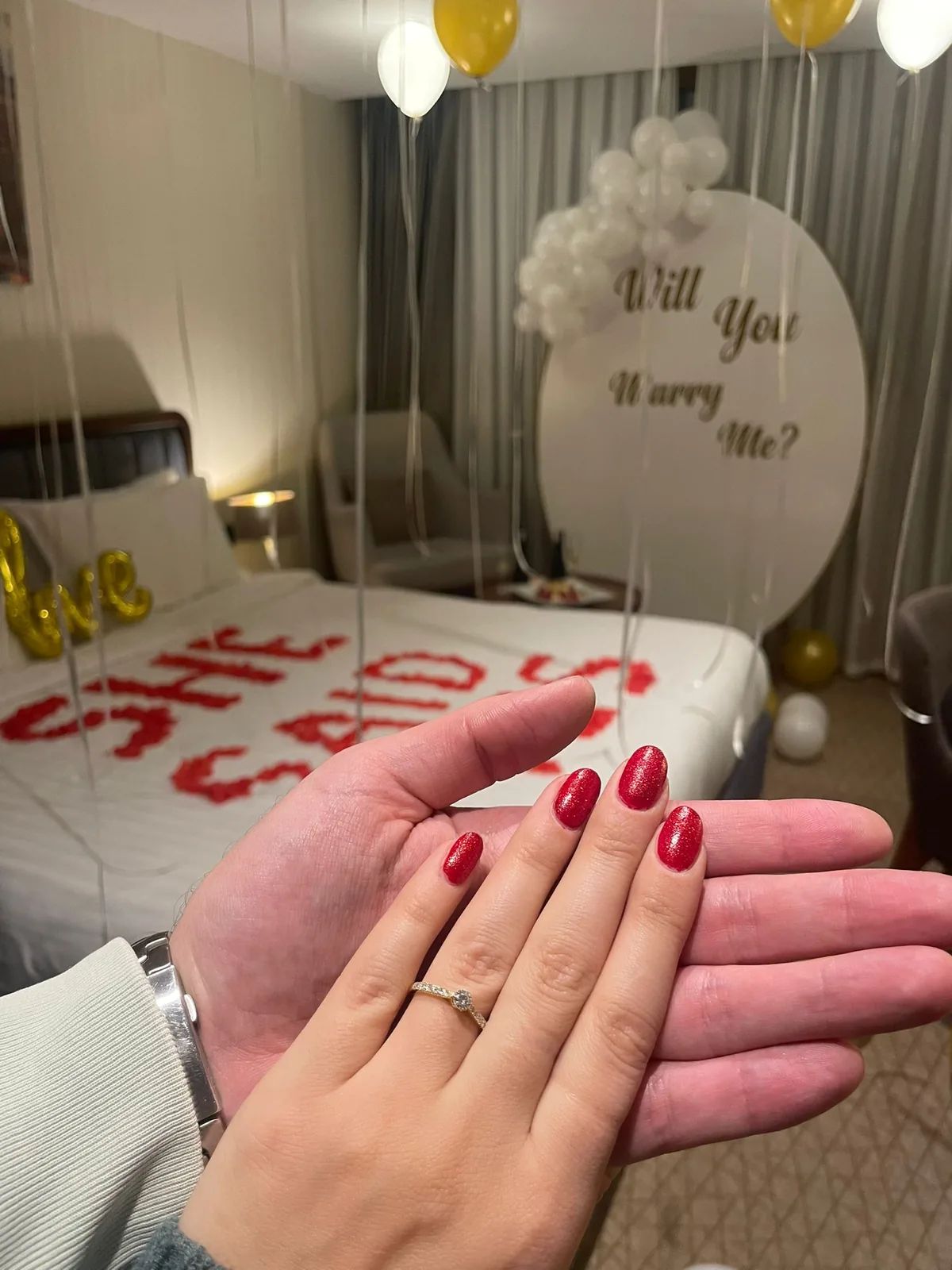
The engagement marked the transition from courtship or an agreement between families to preparations for marriage. Visits and gifts carried symbolic meaning, although their form was not identical everywhere. The date, guest list and responsibilities were discussed by the people who would organise the celebration.
This broad family involvement may feel distant from the way couples make decisions today. Even so, it helps explain why family still has a strong presence at many Shkodra weddings.
The bride's trousseau, or paja
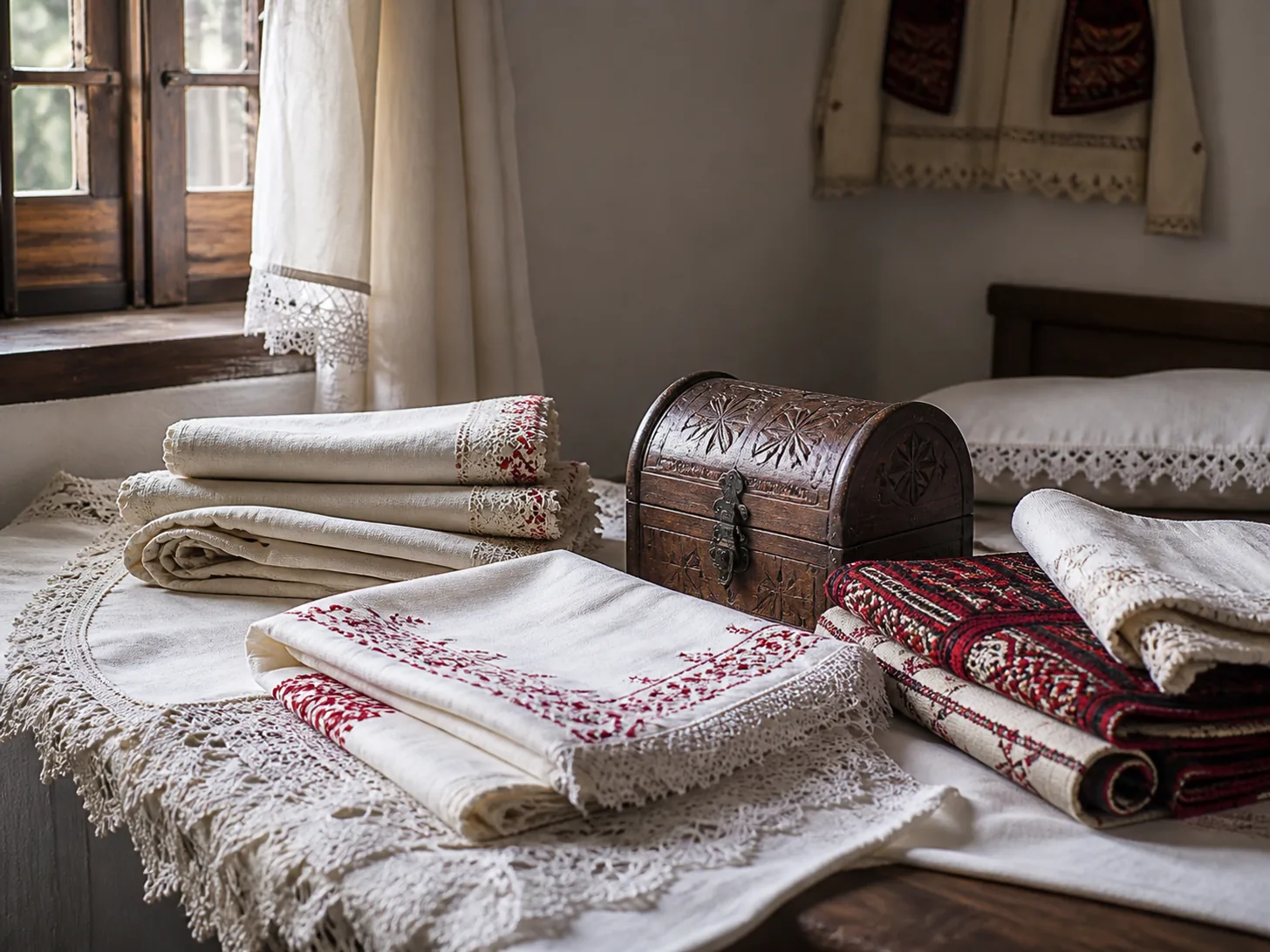
The paja, or bridal trousseau, included clothes, textiles and objects prepared for the new household. Embroidery, fabrics and handmade pieces had practical and emotional value: they preserved the time and work of the women in the family and often remained as keepsakes.
Displaying the trousseau was therefore more than taking stock of possessions. It formed part of the transition from the parents' home to a new family. A traditional trousseau is less common today, although inherited textiles or objects may still be kept as a sign of connection to the family.
Preparations before the wedding
Before the main day, homes filled with relatives helping to welcome guests, prepare food and arrange the space. Work and celebration overlapped: songs, good wishes and conversation made the preparations part of the ceremony itself.
At the bride's home, joy was accompanied by the sadness of parting. This dual meaning—the beginning of a new life and leaving the home where she had grown up—found expression in the songs and blessings of the moment.
Collecting and seeing off the bride
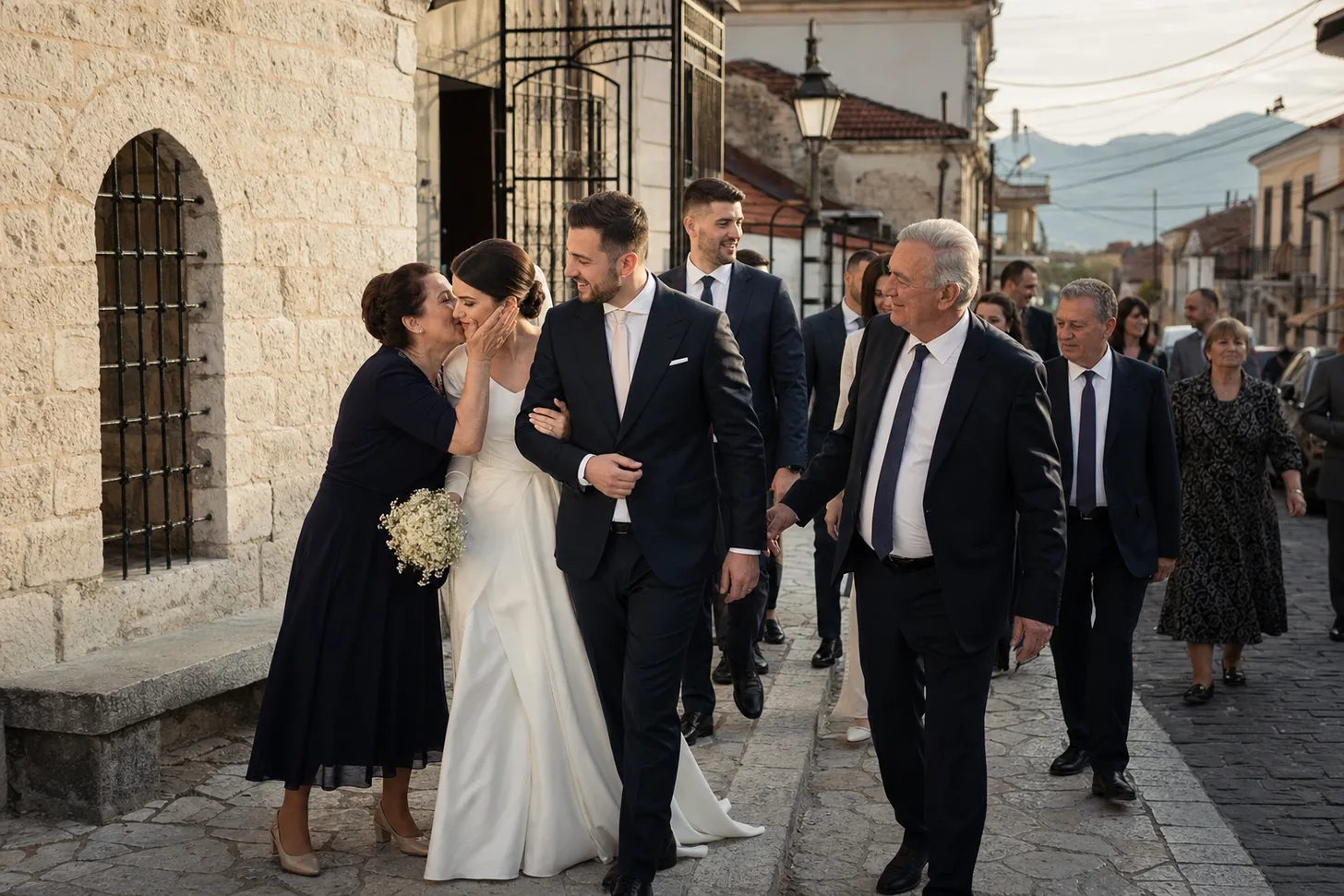
The arrival of the wedding party and the bride's departure were among the most visible moments of the wedding. Her journey towards the new home publicly marked the couple's changed status and the coming together of two families.
It should not be read only as a romantic scene. For the bride's family it was also a moment of separation, while for the groom's family the duty of welcome was beginning. The songs gave voice to precisely this mixture of emotions.
The welcome by the groom's family
The arrival was accompanied by good wishes and, in some families, symbolic actions linking the bride's entrance with prosperity in the home. Sources and family memories do not provide one standard version, so these rites are best understood as local practices rather than obligations at every wedding.
After the welcome, attention turned to the shared celebration: music, dancing and the table brought the guests together around the couple.
From engagement to wedding day: a sequence, not a formula
Ethnographic sources present the wedding as a process with several stages, not simply one evening. The engagement and family arrangements came before the preparations, followed by the bride's departure, her welcome and the family celebration.
Some accounts associate preparations with particular days of the week, but that is not enough to create a universal Thursday-to-Sunday timetable. The rhythm depended on the period, the family's means, where they lived and the customs of the household.
Why was there no single timetable?
The city of Shkodra, its surrounding villages and families from different religious traditions did not necessarily follow the same model. Even within one neighbourhood, one household might preserve a custom that another had simplified.
The most accurate description is this: many ceremonies extended over several days, but their order and duration were not fixed. This preserves the richness of the tradition without turning it into a stereotype.
To see how some of these customs are reinterpreted today, Top Channel Albania's feature on Shkodra weddings follows a cultural reenactment at the Oso Kuka museum. It documents a modern staging, not archival footage of a historical wedding.
Clothing at Shkodra weddings
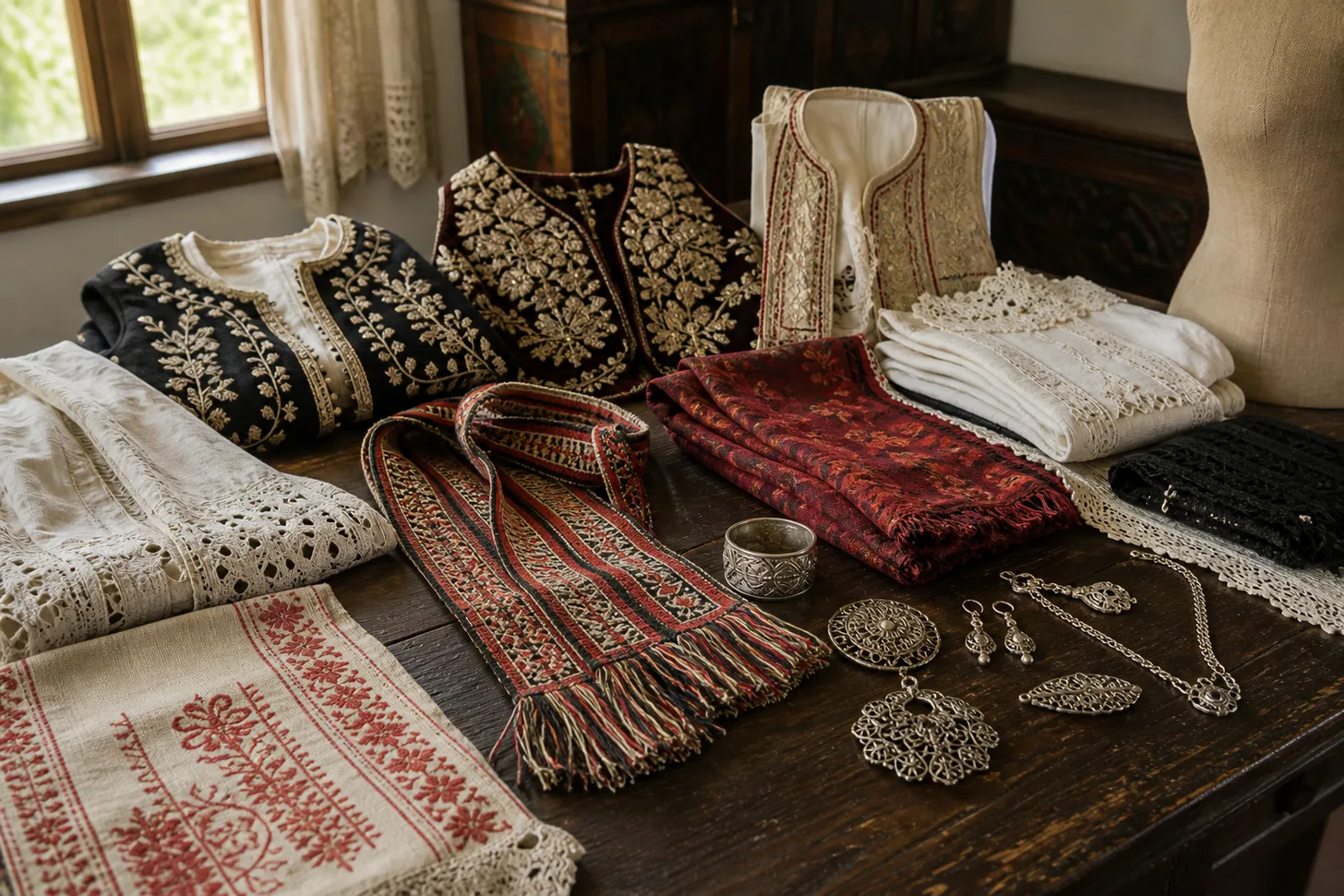
Festive clothing showed the care given to the ceremony and could reflect origin, social position, faith and historical period. There is therefore no single costume that represents every bride or groom from Shkodra.
The bride's clothing
A bride might wear worked textiles, embroidery, jewellery and elements belonging to her family's tradition. In some cases she had more than one outfit during the celebrations. Historical photographs are valuable for research, but every image needs to be identified by time, place and author before it can be used as evidence.
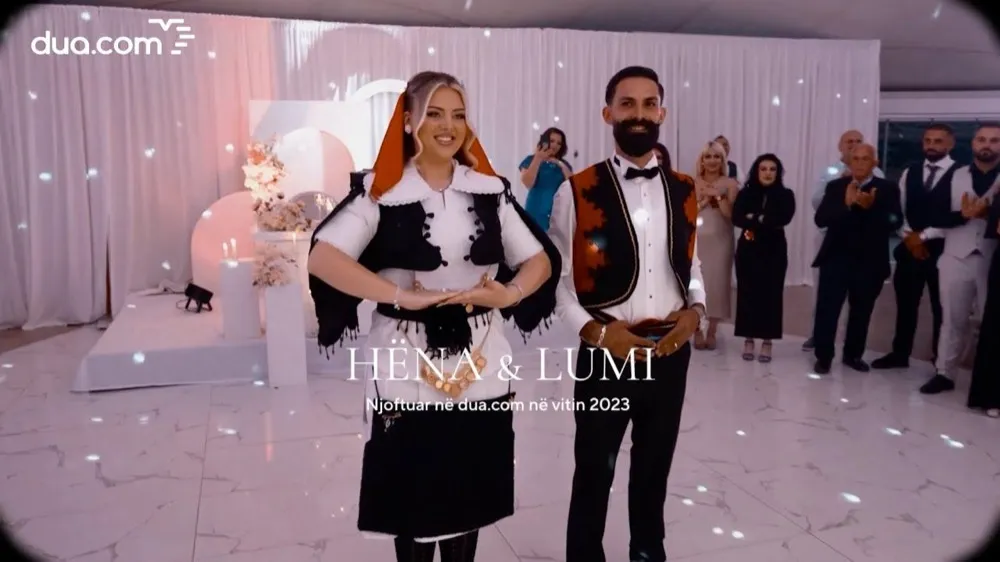
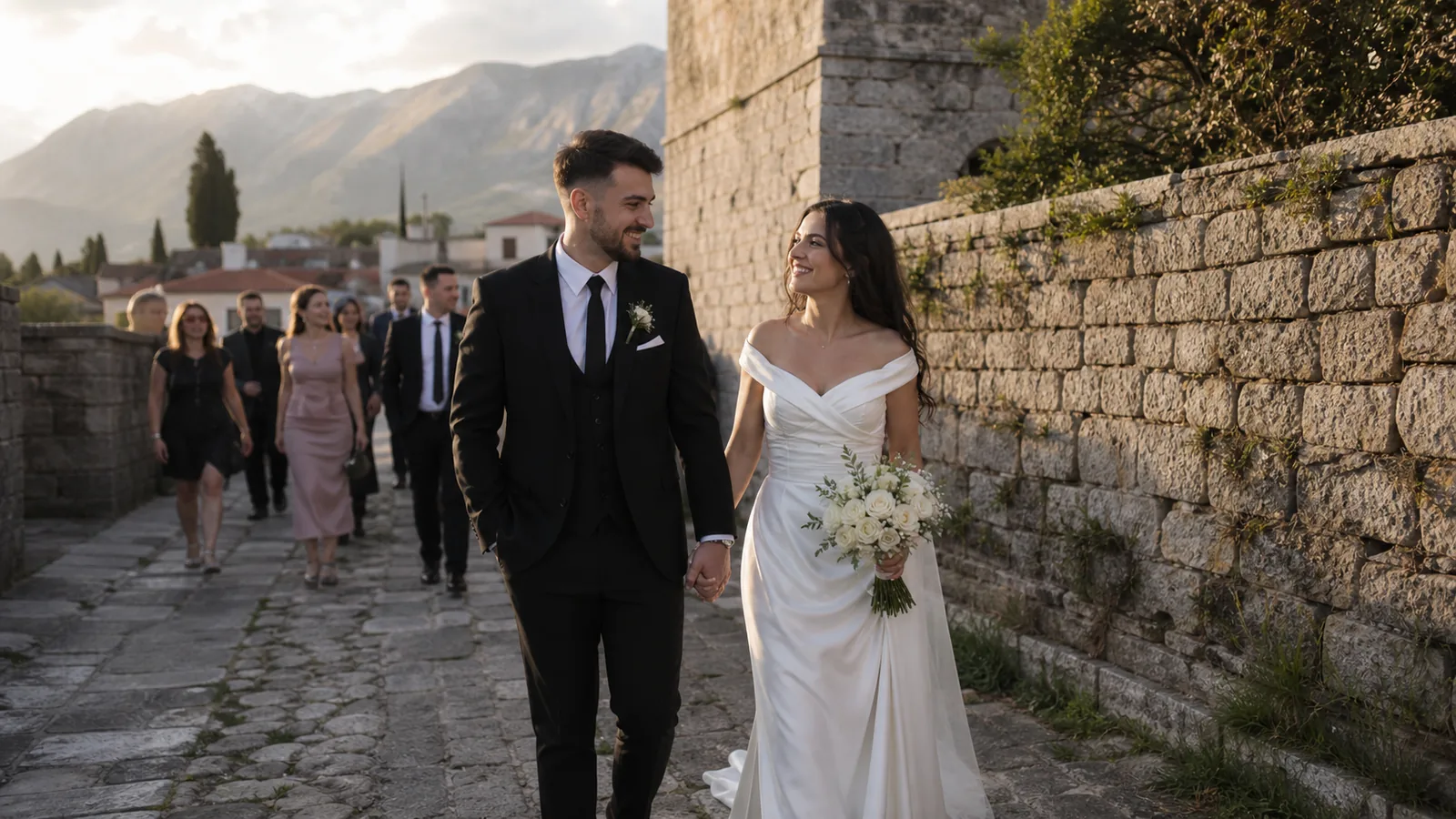
Over time, the white wedding dress became the most common choice. Today, folk elements may appear during one part of the ceremony or in photographs without necessarily being the main outfit.
The groom's clothing
The groom's clothing also varied by setting and period. It was distinct from everyday dress and underlined the ceremonial nature of the day. A modern suit now predominates, while an inherited element may be worn as a personal choice.
Music and the Shkodran aheng at weddings
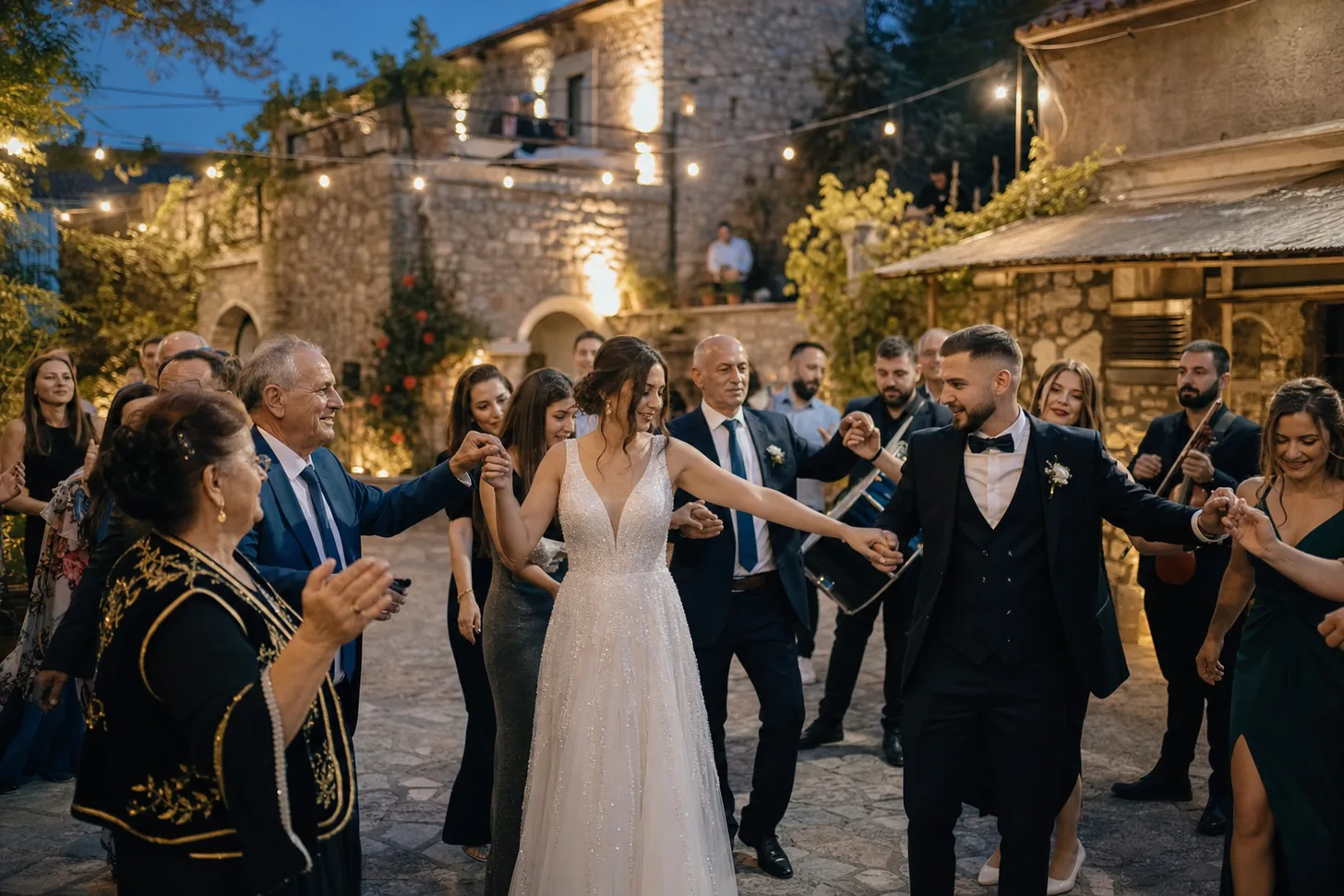
The city's urban song tradition is one of the most recognisable features of Shkodra's cultural life. At a wedding, music accompanied good wishes, dancing and the moments when guests became active participants in the celebration.
The Shkodran aheng
The National Register of Intangible Cultural Heritage connects the aheng tradition with festivals and family celebrations, including weddings. Its repertoire developed in urban life and was performed by different voices and instruments; it is not just one wedding song.
The value of the aheng also lies in participation. Guests listen, sing and dance, so the boundary between performer and celebrant becomes less pronounced.
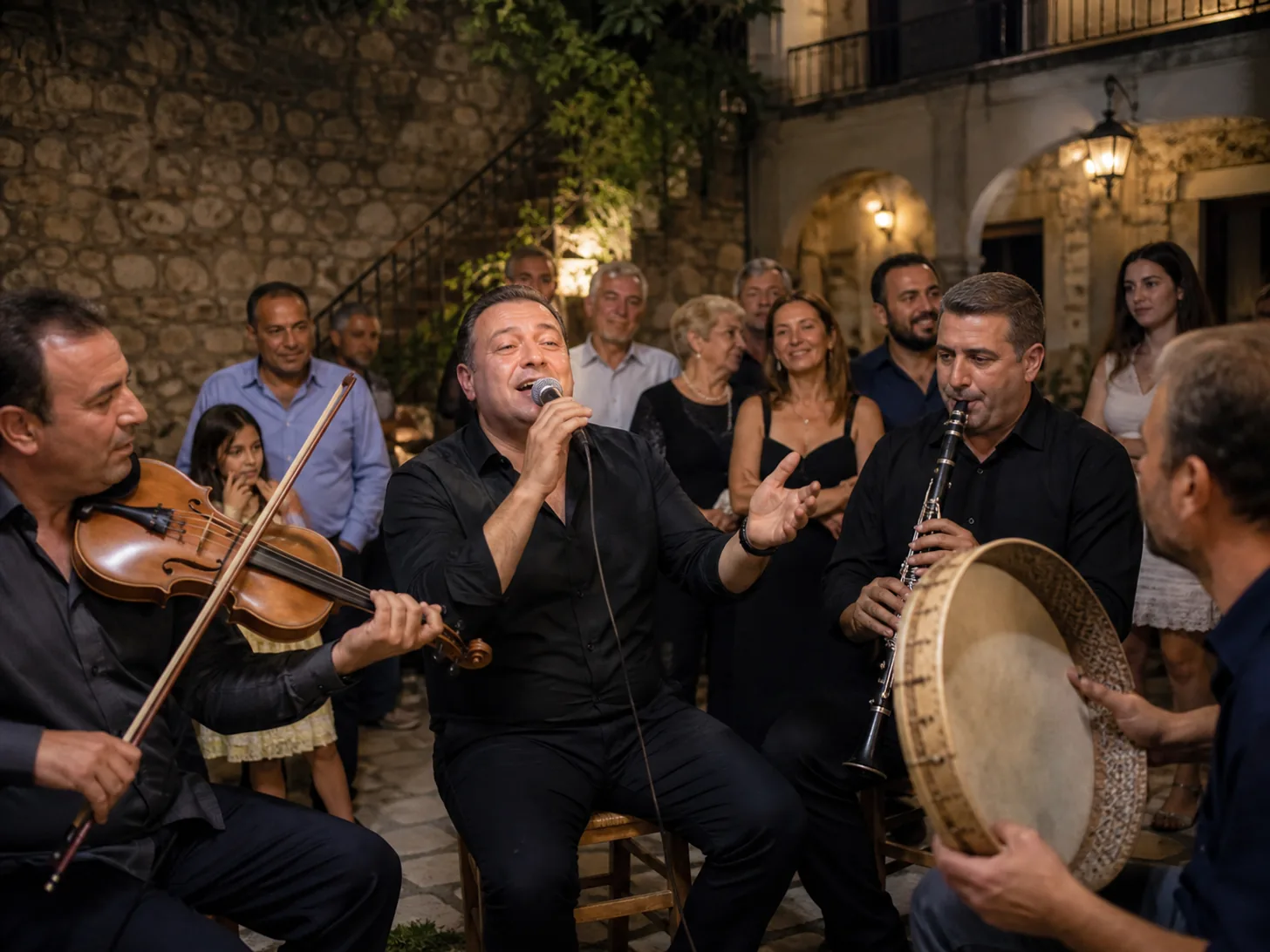
For a contemporary example of wedding repertoire, listen to TV Blue S Music's performance of “Lumja ti moj nusja e bukur”. The video illustrates the musical atmosphere; it is not used as evidence for reconstructing historical rites.
Music at today's weddings
A celebration today may move from Shkodra's urban songs to modern Albanian and international music. Whether the couple chooses an orchestra, singer or DJ depends on their taste. Often, one old song or family dance is enough to create a connection with Shkodra.
The table and hospitality
The sources do not support the idea of one fixed “Shkodran” menu for every wedding. Dishes varied with the season, the family's means and household preferences. What recurs more clearly is the importance of hospitality and a table prepared for everyone.
At large celebrations, many people helped prepare the food. Relatives shared the work, while the table created the setting for toasts, good wishes and long conversations.
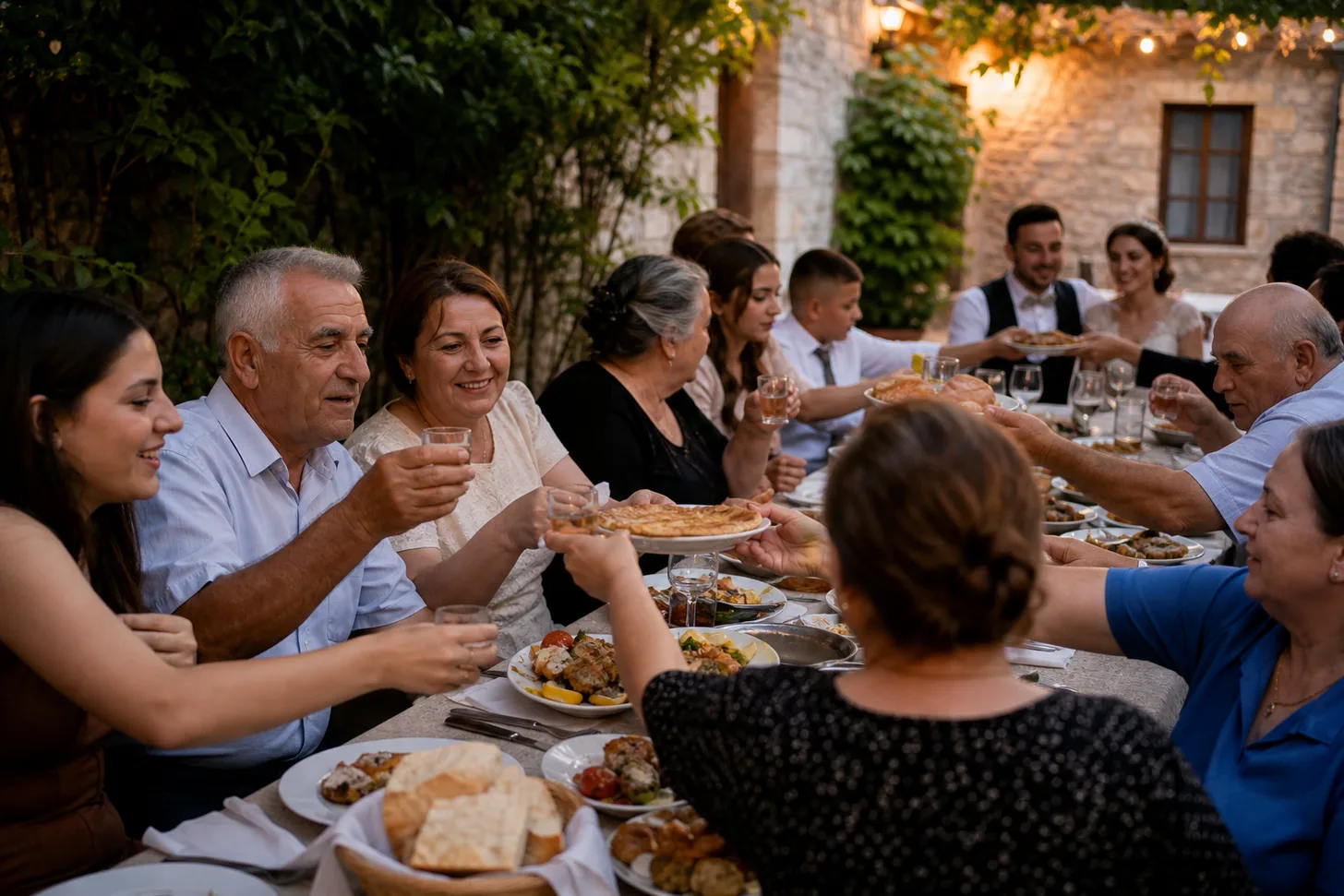
Restaurants now take care of much of this work. Even so, making every guest feel welcome remains more meaningful than following a fixed list of dishes.
Shkodra weddings then and now
In the past, many preparations took place at home and responsibilities were shared among relatives. Today, organisation may be entrusted to restaurants, photographers, decorators and other professionals, while the couple has more freedom to define the style of the celebration.
The legal and personal meaning of marriage should also be distinguished from the ceremony. Our overview of marriage explores this side of the subject: documents, responsibilities and the couple's decisions are not replaced by festive customs.
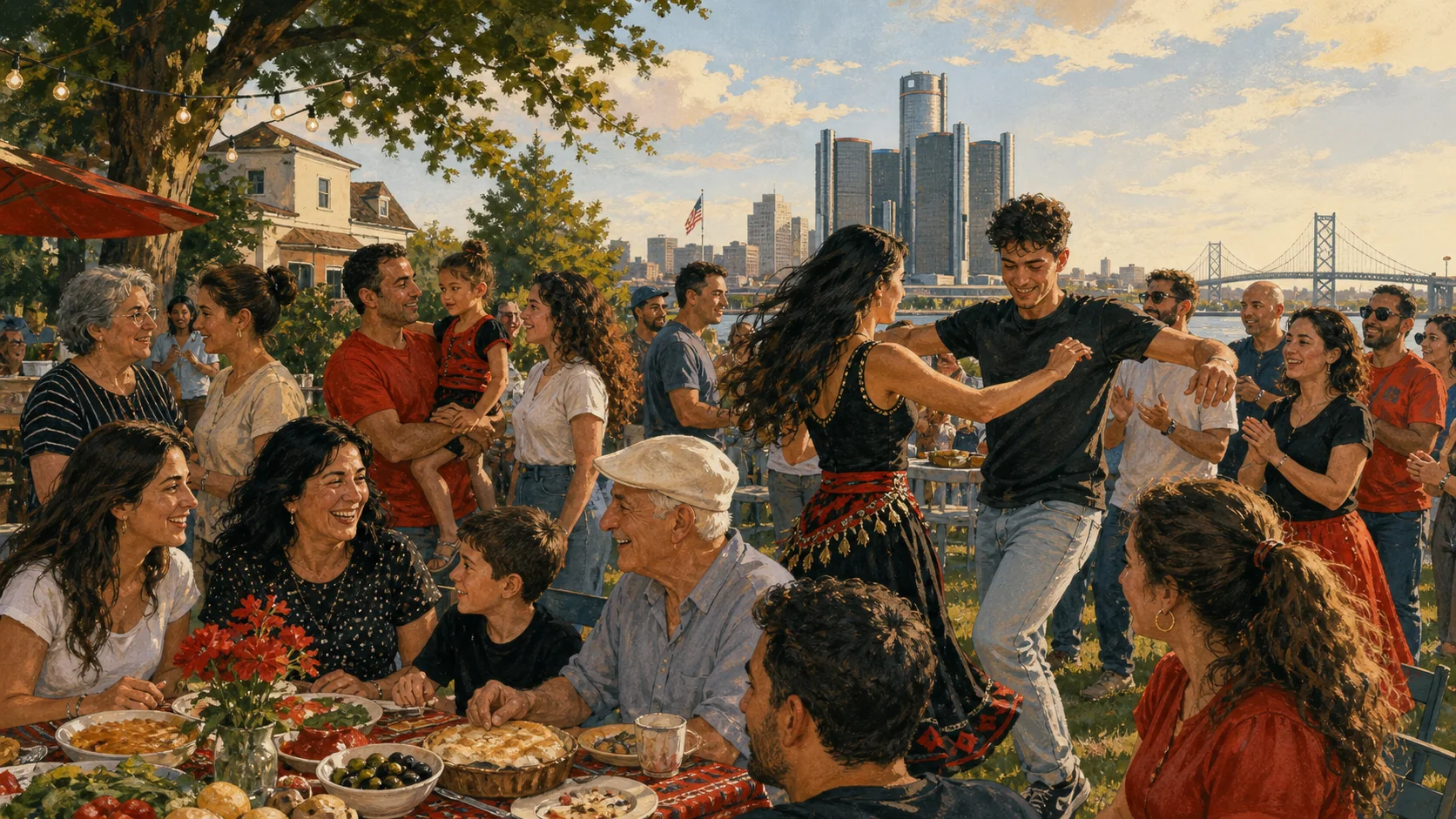
What survives today is not always a complete rite. It may be a song, an inherited textile, the way the bride is seen off or a dance that brings generations together. Tradition stays alive precisely because families adapt it, not because they reproduce it without change.
What makes Shkodra weddings special?
It is not just one object, song or particular day. Their distinctive character comes from bringing urban music, humour, hospitality and family memory together in a celebration where guests participate rather than simply watch.
A wedding today can be thoroughly modern and still feel connected to Shkodra. Couples choose the elements that matter to their own story and use them respectfully, without claiming there is only one “correct” way.
If you are thinking about your own next chapter, explore the love stories of Albanian couples and the features on dua.com. Create your profile on dua.com and start a conversation with someone who shares your language, culture or goals.
Frequently asked questions about Shkodra weddings
How many days did a traditional Shkodra wedding last?
Many ceremonies extended over several days of preparation and celebration, but there was no single duration. The sequence depended on the period, the family, where they lived and their means.
What were the main customs?
Engagement, preparation of the bride's trousseau, family gatherings, collecting and seeing off the bride, the welcome, music and the shared table recur in ethnographic sources. Details varied from one family to another.
What did a bride from Shkodra wear?
There was no single outfit for every bride. Textiles, embroidery, jewellery and cuts differed according to area, faith, family and period; later, the white wedding dress became the most common choice.
What music was performed at the wedding?
Urban songs and the aheng tradition held an important place in family celebrations. Repertoire and instruments varied, while today Shkodran music is often combined with contemporary songs.
Are Shkodra wedding traditions still preserved?
Yes, but usually in selected and adapted forms. Families may preserve a song, dance, inherited object or symbolic moment without reconstructing the entire ceremonial tradition of the past.