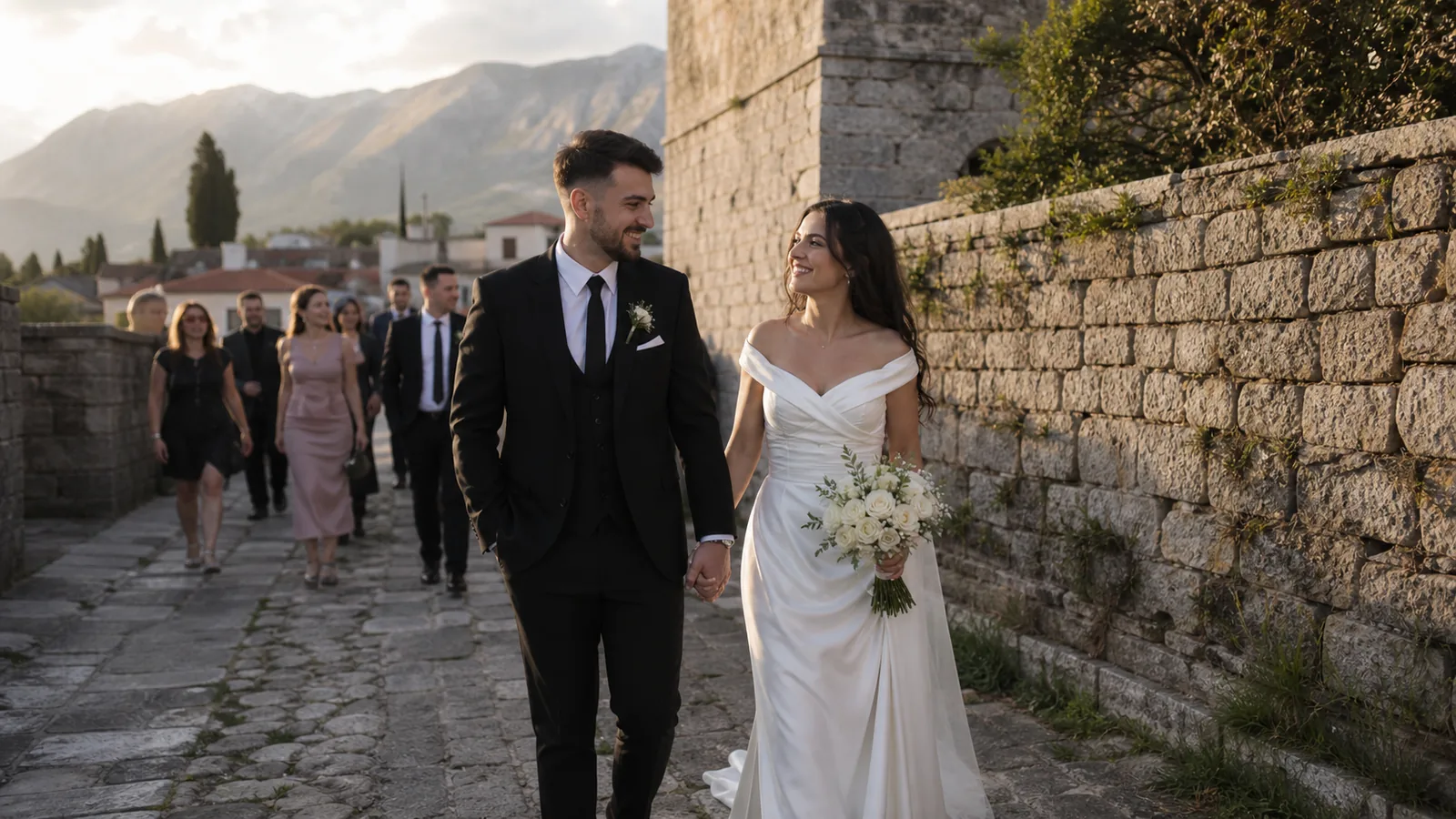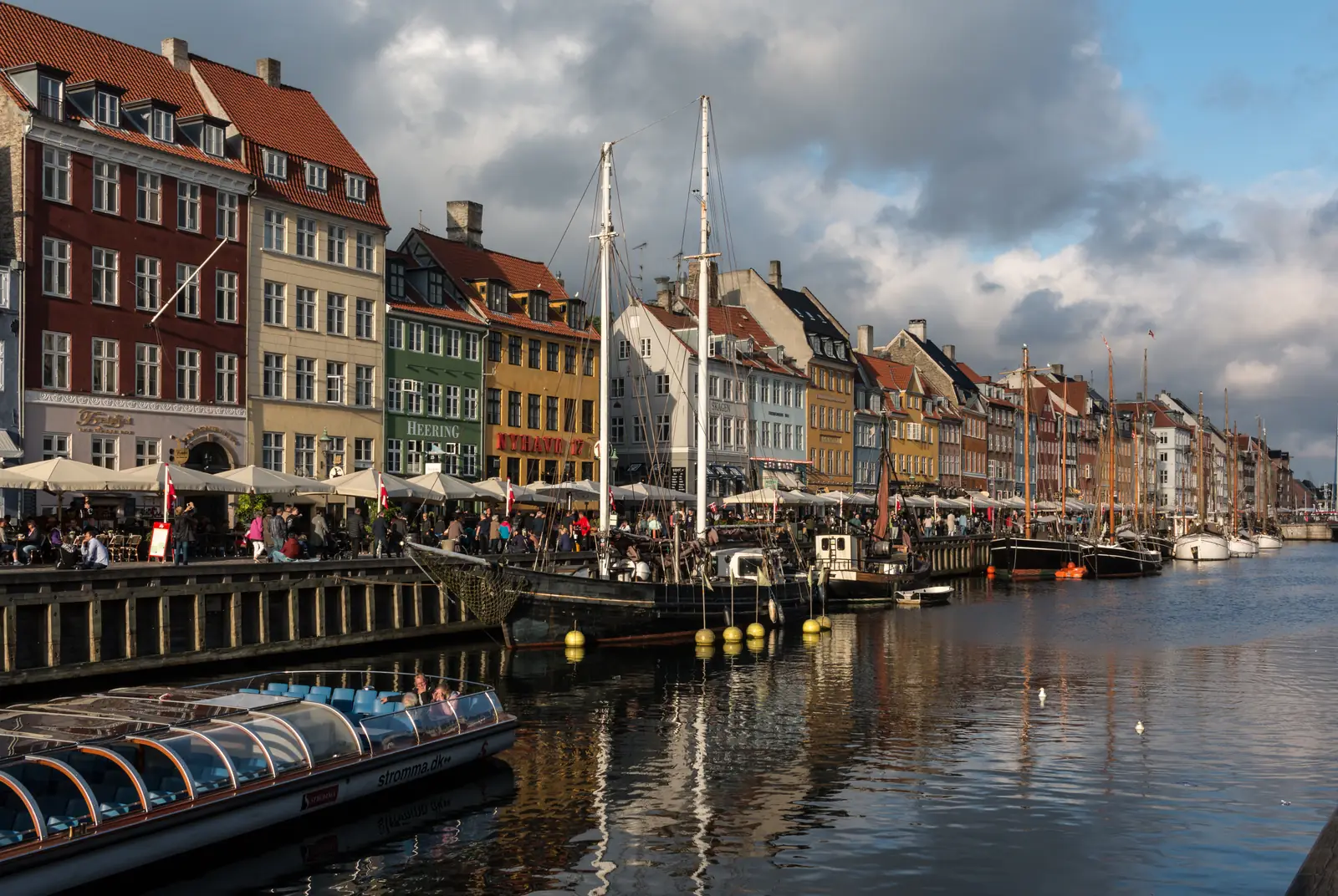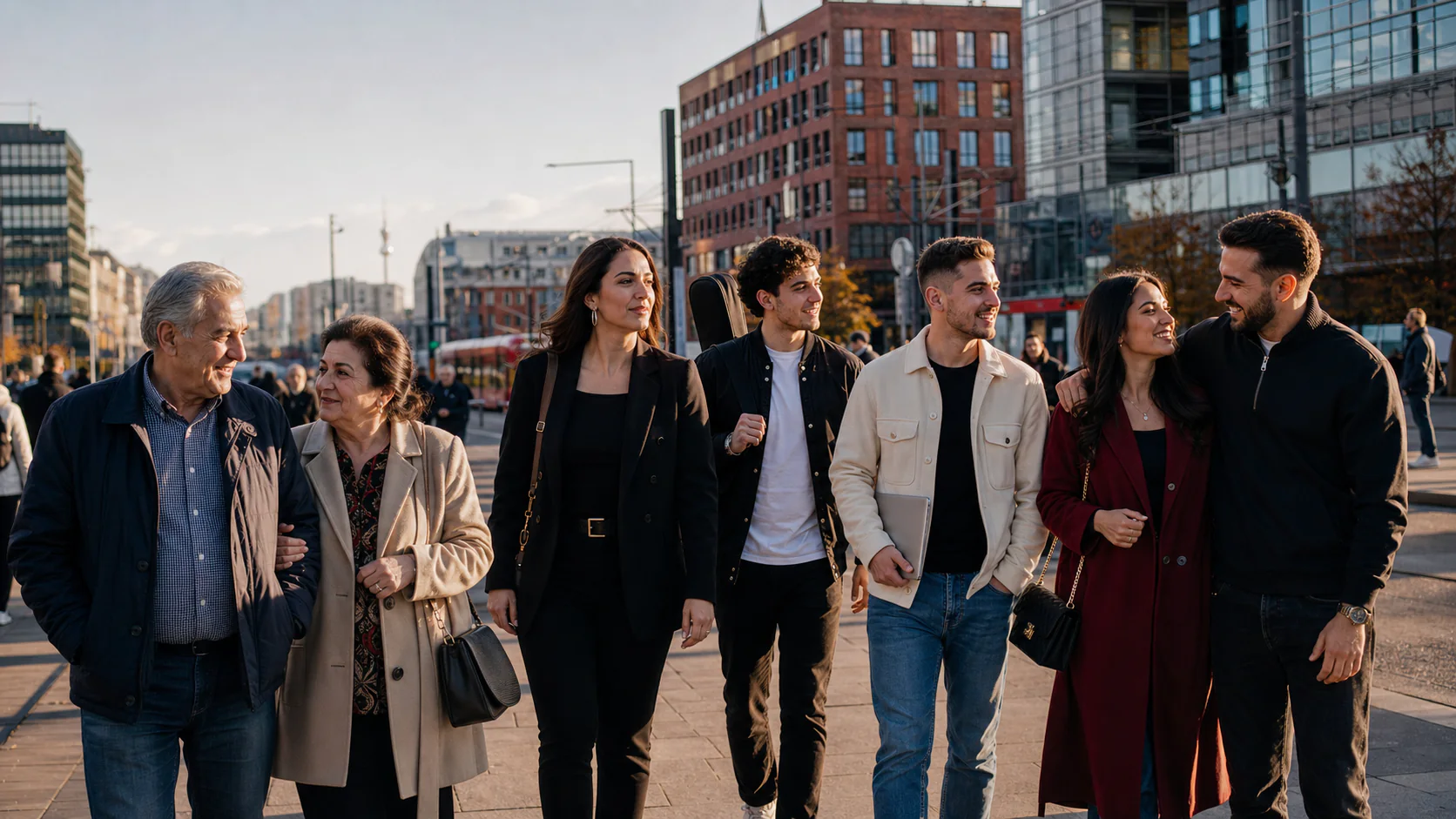
Marriage in Albania has always been more than just a ceremony. It represents a promise between two people, the union of two families, and the beginning of a new chapter. Although the way couples get to know each other has changed over the years, the desire to build a lasting relationship based on trust, respect, and love remains the same.
Today, many Albanian couples get to know each other in completely different ways than previous generations. Some meet through friends or family, others at university, at work, or during life in the diaspora, while more and more love stories also begin online. In dua.com, thousands of Albanians have made serious connections that have turned into engagements, marriages, and happy families around the world.
In this guide, you will discover how Albanian marriage has changed over the years, which traditions continue to be preserved, how civil marriage works in Albania, what the law says, and which factors, according to studies, help build a healthy and long-lasting marriage.
For more on this topic, read Shkodra weddings: traditions, customs and the spirit of the celebration and Albanians in Germany: A Million-Strong Community.
What does marriage represent in Albania?
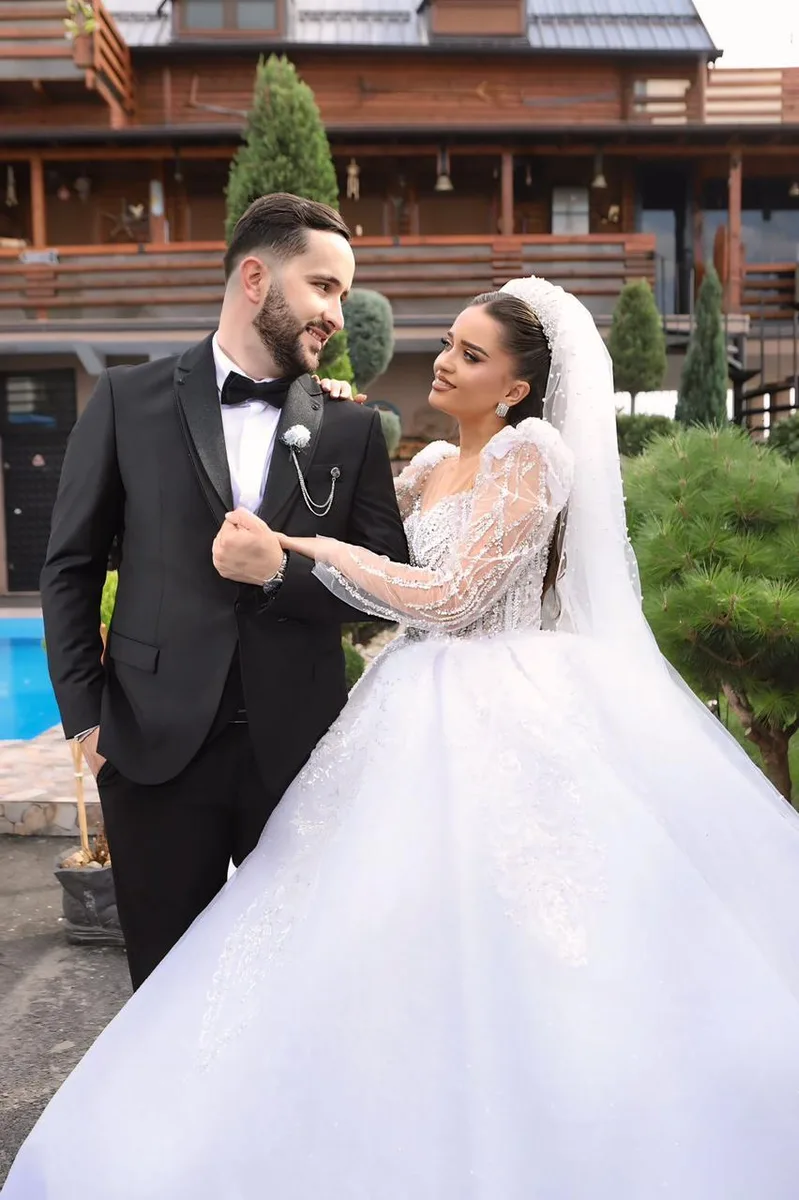
For Albanians, marriage has traditionally been one of the most important moments in life. It has not only symbolized the union of two people, but also the bond between two families, the creation of a new home, and the continuation of traditions passed down from one generation to the next. Even today, despite the changes in the way we live and meet, marriage continues to hold a special significance in Albanian culture.
However, the meaning of marriage has evolved. It used to be mainly associated with family expectations and traditional roles, whereas today many couples see it as a partnership built on love, trust, respect, and mutual support. The decision to marry is most often made by the partners themselves, based on the alignment of shared values and goals for the future.
Whether a love story begins in the same city, during studies, in the diaspora, or through a platform like dua.com, the goal remains the same: to find the person with whom you want to build your life. In the end, a successful marriage is not determined by how you met, but by the relationship you build together every day.
How has Albanian marriage changed over the years?
Marriage in Albania has changed significantly over the past decades. Whereas in the past most people married at a young age, usually near their hometown, today many couples choose to wait longer. Reasons such as studies, career, financial independence, and opportunities to live or work abroad have changed the way Albanians plan their future.
The way partners get to know each other has also evolved. The family and social circle continues to play an important role, but it is no longer the only option. University, work, travel, and dating platforms have created more opportunities to meet people with similar interests and principles, regardless of which country they live in.
For Albanians in the diaspora, this change is even more noticeable. Many live in countries where the Albanian community is more dispersed, so meeting a partner who speaks the same language, shares the same traditions, and understands the same culture is not always easy. This is one of the reasons why today many love stories among Albanians start online and then continue with meetings in real life.
Although the way of getting to know each other has changed, expectations about marriage remain similar. Most couples seek a stable relationship, good communication, trust, and shared goals. Today, marriage is seen less as a social obligation and more as a conscious choice to build a life together.
Every marriage begins with an acquaintance
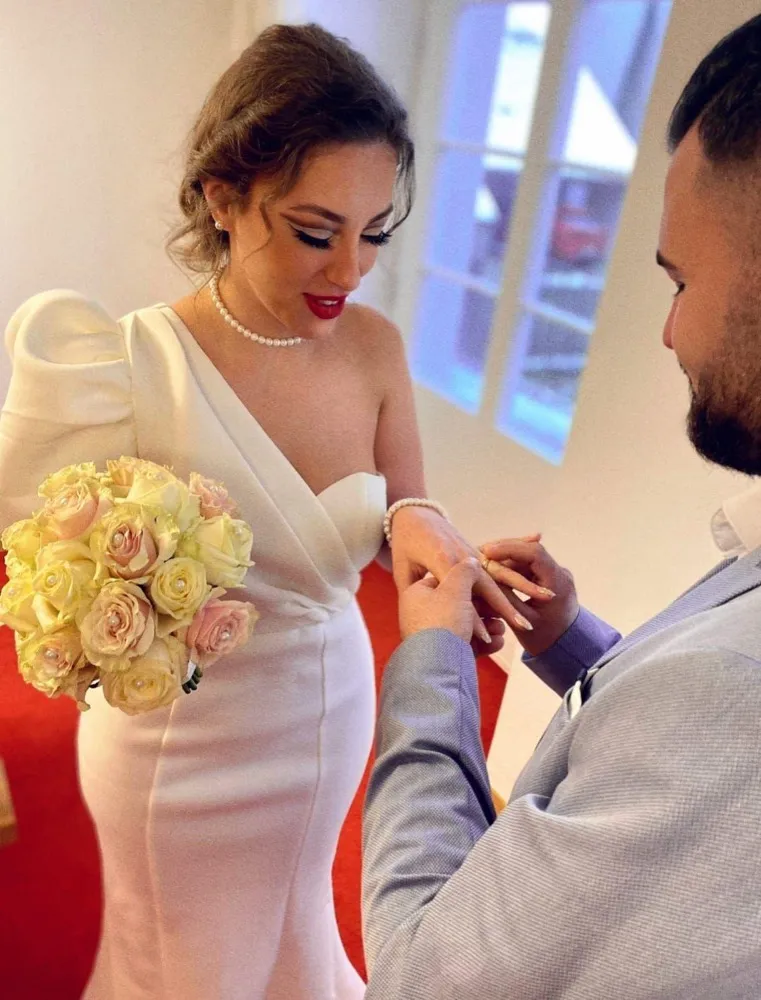
No matter where your story begins –through friends, family, work, studies, or online –every marriage begins with a single moment: meeting the right person.
Today, the way Albanians are known has changed. Especially for those living in the diaspora, the opportunities to meet an Albanian partner are not always plentiful. The fast pace of life, smaller communities and distances make it harder to form a serious relationship.
This is where dua.com comes into play –the platform is built specifically for Albanians, connecting people from Albania, Kosovo, North Macedonia, and the diaspora in over 150 countries worldwide. The goal is not to create as many matches as possible, but to meet people who share the same values, languages, and plans for the future.
Why do thousands of Albanians choose dua.com?
- The largest Albanian community –Meet Albanians from all over the world, all in one place.
- Verified profiles –more trust and fewer fake profiles.
- Filters built for Albanians –search according to the place where you live, the language, the purpose of the acquaintance, and your preferences.
- For serious relationships –Many users register with the desire to find a long-term partner and start a family.
Above all, dua.com is the place where thousands of real stories began. Every year, many couples share with us the moments of engagements, weddings, and families they have formed after getting to know each other on the platform.
After all, a marriage does not start on the day of the ceremony. It starts much earlier, with a conversation, a smile, a meeting... or a life-changing "match."
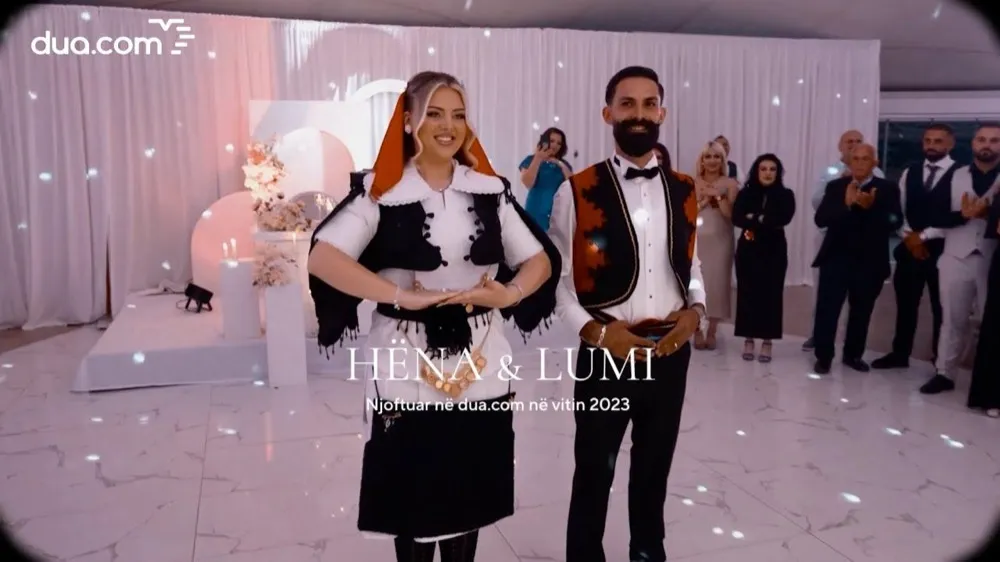
The History of the Moon and the River
See how The Moon and the River met in dua.com, but they married while preserving Albanian traditions.
Did you know?
According to INSTATAlbanians are getting married at an older age than a decade ago. By year 2010 up to 2024 the average age in the first marriage increased from 23,4 in 27,5 age for women and from 29,2 in 31,4 years old for men.
During the same period, the number of marriages fell from 25.428 in 16.120 about 37% less. In the year 2024 registered 4.809 divorce is 30 for every 100 marriages.
This trend is similar to most of Europe, where education, career, and financial independence influence the decision to get married.
The most well-known traditions of Albanian marriage
Although every family celebrates marriages in its own way, many Albanian traditions continue to be preserved even today. Some have changed over time, while others remain an integral part of the ceremony. These customs are not only festive elements but also a way to preserve cultural identity and bring families together during one of the most important moments in life.
engagement
For many Albanian couples, the journey to marriage begins with the engagement. It used to be organized mainly by families, whereas today it is a joint decision of the partners. However, Engagement continues to hold great symbolic significance, as it marks the commitment to build a future together and is often accompanied by a celebration attended by family and closest friends.
Kanagjeqi
Kanagjeqi is one of the most beloved traditions, especially in Kosovo and many Albanian regions. The evening is usually held before the wedding and gathers the bride's family, friends, and relatives for a celebration with music, dance, and emotions. Although today it has taken on more modern forms, the kanagjeqi continues to symbolize the transition to a new stage of life.
The bride's reception
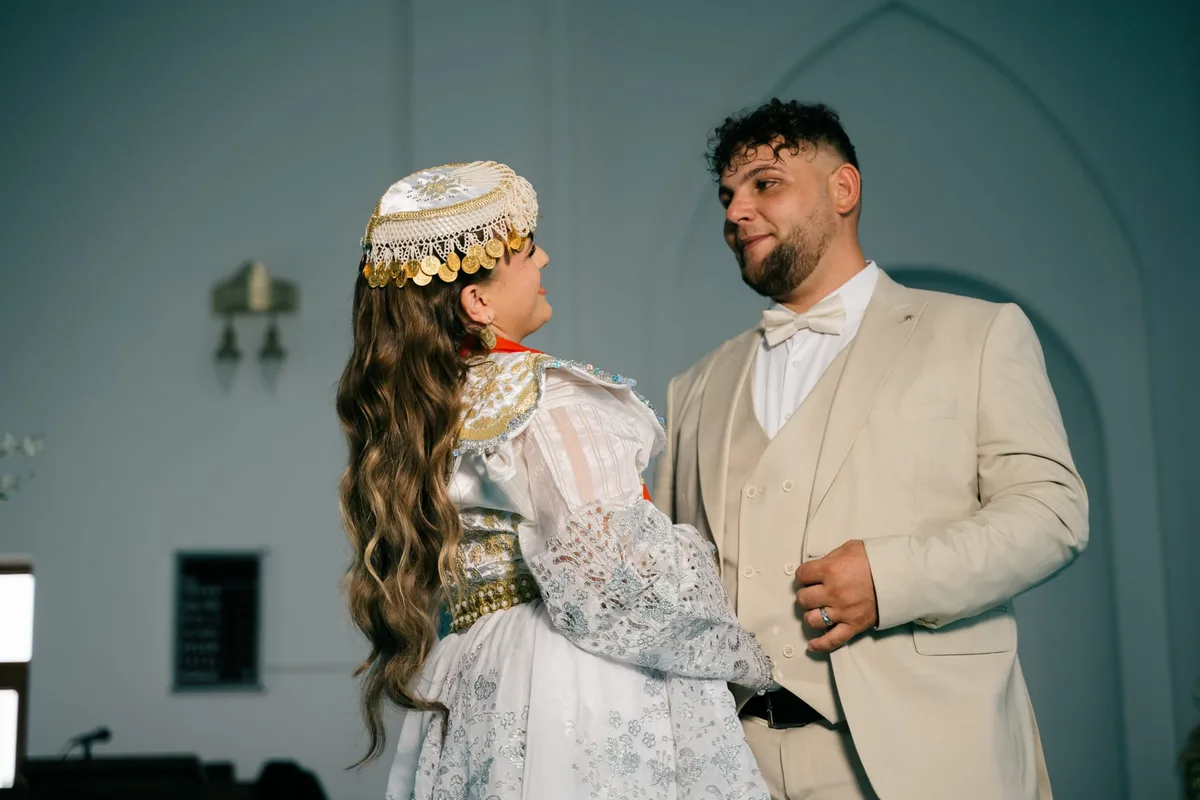
Taking the bride is another tradition preserved in many Albanian families. In some areas, it continues to develop according to old customs, with the participation of family members, traditional music, and symbolic rites, while in others it has been adapted to the modern style of weddings. Despite the changes, the moment remains one of the most exciting of the entire ceremony.
The traditional flag and dances
In many Albanian weddings, the national flag holds a special place as a symbol of identity and pride. It is often accompanied by traditional dances, folk music, and songs that vary from one region to another. These elements give each wedding a unique character and connect the celebration with the cultural roots of the family.
Weddings and customs after marriage
Although today many couples choose smaller ceremonies or contemporary events, hospitality, family gatherings, and celebrating with loved ones remain at the heart of Albanian weddings. After marriage, many families continue to observe different customs that vary by region, showing that Albanian traditions continue to adapt over time without losing their values.
If you want to learn more about the customs, ceremonies, and differences between traditional and modern weddings, also read our full guide: Albanian weddings: everything you need to know about traditions, organization, and modern ideas.
Civil marriage and religious marriage: what is the difference?
In Albania, civil marriage is the only form of marriage that is legally recognized. It is registered with the civil status office and grants spouses rights and obligations according to Albanian legislation, such as rights over property, inheritance, surname, and family responsibilities.
Religious marriage, on the other hand, holds great spiritual and cultural significance for many couples, but it does not replace civil marriage. Couples who wish to marry according to religious rites usually first carry out the civil procedure and then organize the religious ceremony according to their faith.
Albania is a country with a long tradition of interfaith coexistence, so marriages are conducted according to the personal choices and beliefs of each couple. Some choose only the civil ceremony, others complement it with a religious ceremony, while many prefer a celebration that combines traditional elements with modern organization.
Regardless of how you choose to celebrate this moment, the essence of marriage remains the same: a mutual commitment to building a life together. The ceremony can vary from one couple to another, but trust, respect, and communication are the principles that keep a marriage strong even after the wedding day.
How is civil marriage conducted in Albania?
If you plan to get married in Albania, the procedure starts at the civil status office. Documents may vary depending on the couple's situation, especially if one or both partners live abroad or are foreign nationals.
In general, according to Official Instruction for the Civil Status Service, the process includes the following steps:
- The request for marriage declaration and document verification at the civil status office.
- Respecting the 10-day deadline for the announcement and verifying that there are no legal obstacles.
- Submission of the required documentation and setting the date of the civil ceremony.
- The presentation of both partners before the civil status officer, the expression of free consent, and the signing of the marriage certificate.
- Official registration of the marriage in the National Civil Status Register.
What documents are required?
The required documents may vary by case but usually include identification documents and documentation proving the civil status of each partner. In special cases, such as marriages to foreign citizens or to Albanians living abroad, additional documents, official translations, legalization, or an apostille may be required.
For this reason, check the latest requests with the relevant municipality or at e-Albania, as administrative procedures can be updated.
Planning the documents several weeks before the wedding date can save you time and help you focus on organizing the ceremony and celebration, without the stress of administrative procedures.
Marriage in Albania for Albanians living abroad
For many Albanians living in the diaspora, marriage is not only the union of two people but also a way to preserve the Albanian language, culture, and traditions. Although life has taken them far from their homeland, the desire to build a family with someone who shares the same values remains important for many couples.
If you live outside Albania and plan to get married in your homeland, make sure to get informed in advance about the required documents and procedures. In some cases, documents issued by the state where you reside, translated and legalized according to current regulations, may be required. Contact the relevant civil status office or the Albanian diplomatic representation before setting the date of the ceremony. The electronic services of e-Albania allow citizens abroad to apply online for marriage registration; The relevant documents are then submitted according to the service instructions.
Are you getting married outside of Albania?
Even in this case, the marriage can be registered in the Albanian civil status register. In general, the foreign marriage certificate must be legalized or apostilled when requested, translated, and submitted for registration according to official procedures. After registration, your civil status is also updated in Albania.
For many Albanians in SwitzerlandGermany, Austria, Italy, the United Kingdom, or the United States, the biggest challenge is not organizing the wedding, but finding the right partner. When the Albanian community is small or scattered, knowing someone who speaks the same language and sharing the same principles can be more difficult. Precisely for this reason, more and more love stories among Albanians start online and then continue with meetings in real life, turning into engagements, marriages, and happy families.
Fidani and Samira brought Albanian tradition to Germany
The seedling and Samira, who met in dua.com, since both are German citizens, decided to marry there. However, at their wedding with many guests, elements of traditional Albanian weddings and modern ones were not missing. Listen to how they describe the most important day of their lives.
What are the modern challenges of marriage?
Every marriage faces challenges. While traditions and ceremonies may vary from one couple to another, building a strong relationship requires continuous commitment. Today, Albanian couples face challenges different from those of previous generations, ranging from the fast pace of life to balancing career, family, and free time.
Communication remains the foundation of every marriage
Many disagreements do not arise from a lack of love, but from a lack of communication. Listening to your partner, expressing needs and emotions respectfully, and resolving conflicts together are skills that develop over time. According to relationship researchers, the way couples communicate during difficult moments is one of the most important indicators of the long-term stability of marriage.
Balancing career and family life
Today, many couples build their careers at the same time as they start a family. Long working hours, financial responsibilities, and childcare can create stress if not shared fairly. Mutual support and cooperation are essential to face these challenges.
Long-distance marriages and life in the diaspora
For many Albanians, emigration and moving for studies or work have also brought long-distance relationship. Although technology makes it easier to stay in touch, a successful marriage requires trust, regular communication, and a shared vision for the future.
Expectations and reality
Movies, social networks, and the image of the "perfect marriage" can create unrealistic expectations. In reality, every couple goes through beautiful and challenging times. A successful marriage is not one without conflicts, but one where partners choose to work together to resolve them with respect and understanding.
In the end, the success of a marriage is not measured by the grandeur of the ceremony or the number of guests, but by the relationship built every day. It is precisely the small moments –an honest conversation, support in difficult times, and mutual respect –that create a strong and long-lasting bond.
What makes a marriage successful?
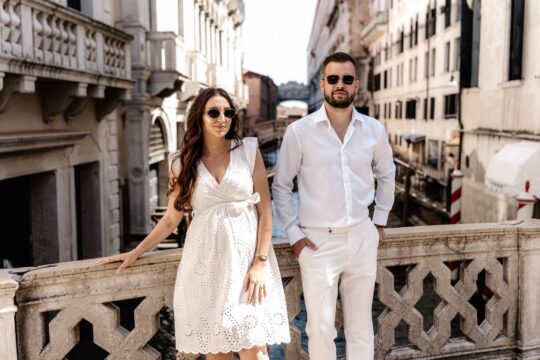
There is no magic formula for a happy marriage, but studies on relationships have shown that couples who build a strong bond share some common habits. Love is an important starting point, but it is strengthened every day through trust, communication and mutual respect.
Trust is built every day
A healthy marriage is based on a sense of security. Being honest, keeping promises and supporting your partner even in difficult times creates a strong foundation for the relationship. Trust is not gained by a single gesture, it is constantly built by small actions.
Communication is more important than always being right
According to his research The Gottman Institutethe most stable couples are not those who do not argue, but those who know how to listen to each other, apologize when they make mistakes, and resolve conflicts without losing respect. The way we talk to our partner during difficult moments affects much more than the conflict itself.
Friendship is the foundation of love
Marriage isn't just romantic. Partners who continue to spend quality time together, take an interest in each other's lives and celebrate even the small moments of everyday life create stronger and more lasting bonds.
Common values and goals
No couple is identical, but sharing important values –like family, communication, respect, plans for the future, or the desire to have children –helps make common decisions and avoid many long-term conflicts.
Let's grow together
People change over the years and a successful marriage is one where partners accept these changes and continue to support each other. Celebrating successes, facing challenges as a team, and constantly investing in relationships are elements that make a marriage last.
Whether you meet through friends, family, work, or online, a strong marriage is not built by how your story begins, but by the choices you make every day. In dua.com we have seen thousands of stories of Albanians who have met, created trust, got engaged and built families together. This shows that the place where the acquaintance begins matters less than the principles that partners build on their journey.
Your story can also begin with an honest acquaintance. Create a free profile on dua.com.
Frequently Asked Questions (FAQ)
Is civil marriage mandatory in Albania?
Yes. Civil marriage is the only form of marriage legally recognized in Albania. Religious ceremonies have spiritual and cultural significance, but they do not replace civil registration.
What documents are required for marriage in Albania?
Documents may vary depending on the case, especially if one of the partners is a foreign national or lives abroad. For the most up-to-date information, it is recommended to check e-Albania or contact the relevant civil status office.
Can Albanians living abroad get married in Albania?
Yes. Albanians living in the diaspora can get married in Albania by following legal procedures and submitting the required documentation. In some cases, translated or legalized documents may be required.
Is a marriage performed abroad recognized in Albania?
Yes, but usually the marriage must also be registered in the Albanian registry of civil status. The procedures may vary according to the country where the marriage was entered into and the documents that are presented.
Civil marriage or religious marriage: which should I choose?
From a legal point of view, civil marriage is necessary. The religious ceremony is a personal choice and many couples decide to conduct both.
What is the average age of marriage in Albania?
According to INSTAT data, the average age in the first marriage has increased significantly. Between the years 2010 and 2024 she grew up from 23,4 in 27,5 age for women and from 29,2 in 31,4 years old for men. This reflects a trend where many couples get married after completing their studies, building careers, and achieving more financial stability.
Is it possible to build a successful marriage even if the partners have met online?
Yeah. What determines the success of a marriage is not how the partners are known, but the quality of the relationship they build. Trust, communication, respect, and shared principles are the factors that have the greatest impact on the longevity of a marriage.