Chicago's Albanian community does not fit neatly inside one neighborhood. It stretches from the Northwest Side to Berkeley and Hillside, through suburban Cook and DuPage County, with older ties reaching into the industrial communities of northwest Indiana.
The clearest current Census measure is 14,515 people reporting Albanian ancestry across the Chicago–Naperville–Elgin metro area, according to the 2020–2024 American Community Survey. Chicago city itself accounts for 2,125, while Cook County records 8,144 and DuPage County 4,050. These geographies overlap, so the numbers cannot be added together—and ancestry is only one way of measuring a community whose families trace their roots to Albania, Kosovo, North Macedonia, Montenegro and other Albanian-speaking regions.
That geography helps explain Albanian Chicago today. There is no Census-defined “Little Albania.” Instead, the community becomes visible through places: Albanian schools and churches on the Northwest Side, the Albanian American Islamic Center in Berkeley, businesses and households across the suburbs, village and professional networks, and gatherings that bring families from across Chicagoland together.
This guide follows that wider map: how many Albanians live in the Chicago area, where the community is concentrated, how it developed, and where Albanian life is visible today.
This is Albanian Chicago: people, gatherings and places to belong
Start here to see the community itself. These are Chicago-area Albanian organizers, families, performers, schools, institutions, businesses and public gatherings—not stock diaspora imagery or a population chart.

Community portrait · Byrek Fest 2025
A dispersed community becomes visible when people gather
At Byrek Fest, grandparents, parents, children, cooks, volunteers and sponsors meet across regional and religious lines. AACI reported more than 800 attendees in 2025; that is an organizer-reported event figure, not a population estimate.
See AACI’s report and gallery →Photo wall
The community, in its own images
These photographs come from AACI’s official Flickr account. They show volunteers, children in traditional dress, performers and community members at Chicago’s 2019 Kosovo Independence celebration. No one pictured is identified here.


Official AACI media shown through Flickr’s publisher-hosted oEmbed image URLs. All rights reserved by the publisher; images are linked, not copied or relicensed by dua.com.
Calendar
What is happening—and what to follow next
The listed 6 September 2026 cruise date has passed. Follow the organizers for future dates and the next editions of recurring events.
7th Annual Albanian Boat Cruise
Shoqata Uskana hosts Albanian music and dancing on the Chicago River and Lake Michigan, 7–10 p.m., departing from DuSable Harbor. The organizer lists the event as age 16+.
Byrek Fest
AACI’s family picnic brings cooks and recipes associated with different Albanian regions together with music, dance, youth activities and community fundraising. Follow AACI for the next date.
Albanian Independence programs
AACI archives document downtown flag raisings, cultural programs and evening celebrations. A verified 2026 date was not published at review time, so use the live calendar rather than an old flyer.
Albanian American Community Night
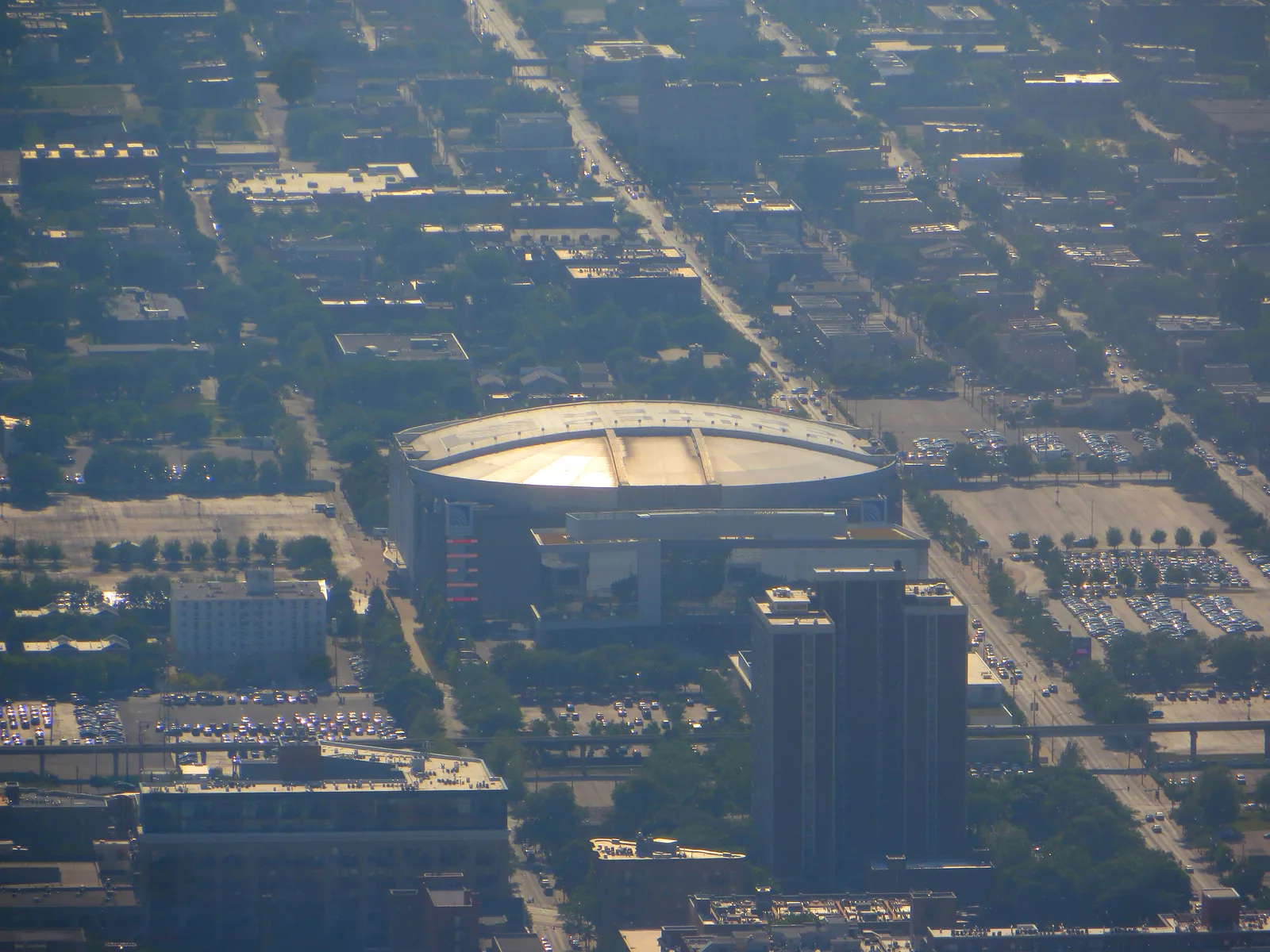
Local children, schools and dance groups performed at the United Center before the Chicago Bulls–Indiana Pacers game. AACI published a 13-minute community video after the event.
Community builders
Meet people building the community now
A community is more than celebrities. These public-facing organizers, educators, filmmakers and professionals show who is creating programs, telling stories and making space for the next generation.
Edon Shaqiri and Dafina Rexhepi
AACI’s 2025 Byrek Fest report identifies Shaqiri as board president and Rexhepi as youth director. Their work connects regional representation with practical family programming.
Lydia Memeti and Lumturije “Luma” Asanoski
The co-founders of the Albanian American Women’s Association of Greater Chicago discuss culture, newer immigrants and community services in a local Public Perspective interview.
Anisa Selenica
The Chicago filmmaker directed A Journey to Freedom, built around her family’s escape from communist Albania and her father’s story. ABC 7 Chicago profiled her work in 2025.
Sonila Sejdaras
AAWAGC’s Women Who Inspire profile describes her move from Korçë to Chicago, the clinical practice she built and her continuing work for the Albanian community.
Chicago-rooted personalities
These biographies belong here because their family stories are tied directly to Chicago-area migration, restaurant work, education and public life.
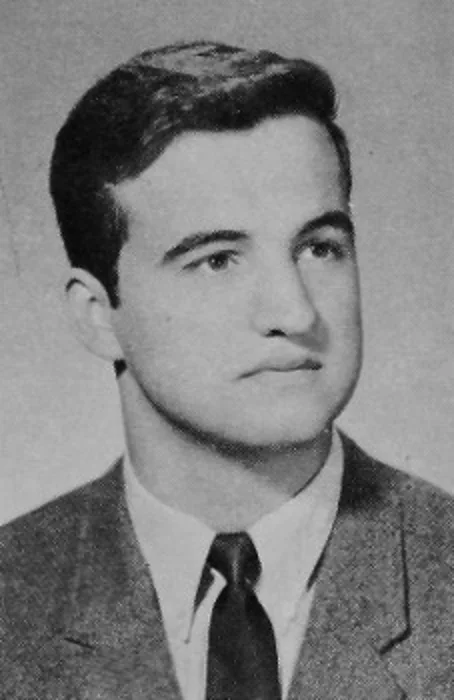
John and Jim Belushi
Born into an Albanian Chicago restaurant family and raised in Wheaton, the brothers carried a recognizably Chicago performance tradition from Second City into American popular culture.
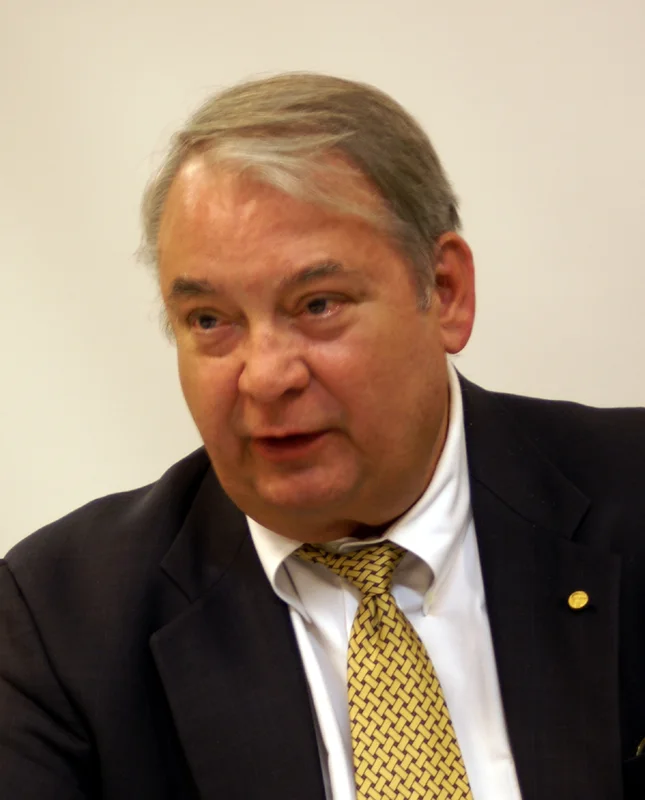
Ferid Murad
Born in Whiting after his Albanian-Macedonian father first settled in Chicago, Murad later shared the 1998 Nobel Prize in Physiology or Medicine.
Watch
Watch the community—not a stock montage
Four publisher-hosted videos show the 2026 United Center performance, a Chicago filmmaker, two Albanian schools and women’s organizing. Thumbnails and playback remain on YouTube’s infrastructure.
 Watch the official video on YouTube →
Find your network
Organizations: choose the doorway that fits you
No single organization represents every Albanian in Chicagoland. These verified public entry points cover civic, religious, educational, women’s, regional, charitable and university life.
AACI
Events, community organizations, businesses, news and membership across Illinois.
Albanian American Islamic Center
Prayer, weekend school, youth work, social services and a community hall.
St Nicholas
Parish life, cultural programming, annual gatherings and the home of Arbëria school.
Shkolla Shqipe Arbëria
Sunday Albanian language and cultural education for children across faith backgrounds.
AAWAGC
Networking, membership, public profiles and support led by Albanian American women.
Shoqata Uskana
Volunteer-run cultural, scholarship, youth and charitable programming in Chicago.
Care for Albania
Community fundraising and programs linking Illinois with needs in Albanian-speaking regions.
DePaul Albanian Studies
Lectures and an Albanian and Southeastern European Studies certificate pathway.
Work and business
Entrepreneurship: restaurants are one chapter, not the whole story
The local business ecosystem includes food, construction, law, engineering, health, insurance, real estate, digital services and other fields. Community directories are discovery tools, not ownership censuses.
AACI business directory
Browse community-submitted Illinois listings by industry, then independently verify ownership, licenses, location and hours.
Rosewood Tavern
The restaurant’s own story identifies a mother-and-son team with Albanian roots in Montenegro and a Balkan home-cooking influence.
Cooks, sponsors and volunteers
Byrek Fest makes entrepreneurship communal: home recipes, local sponsors, youth activities and fundraising share the same public space.
More verified community starting pointsSchools, institutions and connection routes
Verified schools, institutions and connection routes
There is no single front door. A family may live in DuPage, attend Albanian class in Schiller Park, worship on Narragansett or in Berkeley, meet a professional group downtown and spend a summer Sunday at a forest-preserve festival. These are the strongest verified public entry points.
St Nicholas and Shkolla Shqipe Arbëria
The Orthodox parish is a long-standing institutional anchor. Arbëria's Sunday program brings families of every faith together around Albanian language and its youth dance group.
Albanian American Islamic Center
AAIC's Berkeley campus combines prayer, weekend school, youth work, a hall and social services. Its village-representation model also makes older hometown networks visible.
AACI, women's groups and professional networks
AACI links regional associations, events, businesses and resources. Women's, student, charitable and professional groups widen the community beyond any one faith or hometown.
Where the network becomes public
Byrek Fest, parish picnics, boat cruises, Independence programs, restaurants and community businesses turn a dispersed population into a visible social world.
How to connect
Attend something
Start with the verified events calendar, then recheck the organizer's page before traveling.
Find your organization
Use the civic and regional network guide for women's, village, student, charitable and professional groups.
Learn Albanian or dance
Compare the two weekend-school models and follow each program's current registration route.
Find a service or business
Begin with the practical directory; independently confirm ownership, hours and professional licensing.
Evidence last reviewed 28 August 2026. Survey estimates include the Census Bureau's published 90% margins of error. Event details and opening hours should be checked with the organizer before a visit.
How many Albanians live in Chicago?
The best official answer depends on what we mean by “Chicago.” Across the Chicago–Naperville–Elgin metropolitan area, the 2020–2024 American Community Survey estimates 14,515 people reporting Albanian ancestry, with a 90% margin of error of ±1,982. Within Chicago city limits, the estimate is 2,125 ±573.
The difference matters. Most of what people call “Albanian Chicago” extends beyond the city itself, through Cook County, DuPage County and communities across the wider metropolitan area.
These figures are also ancestry estimates, not a complete count of everyone with Albanian roots. The Census measure can include US-born descendants who report Albanian ancestry and miss people who identify differently. It should not be combined with birthplace, language, refugee, Registry or dua.com data.
So, for this guide, 14,515 is the clearest official measure of Albanian ancestry across metropolitan Chicago—not a definitive count of every Albanian in Chicagoland.
Swipe horizontally to explore the full chart.
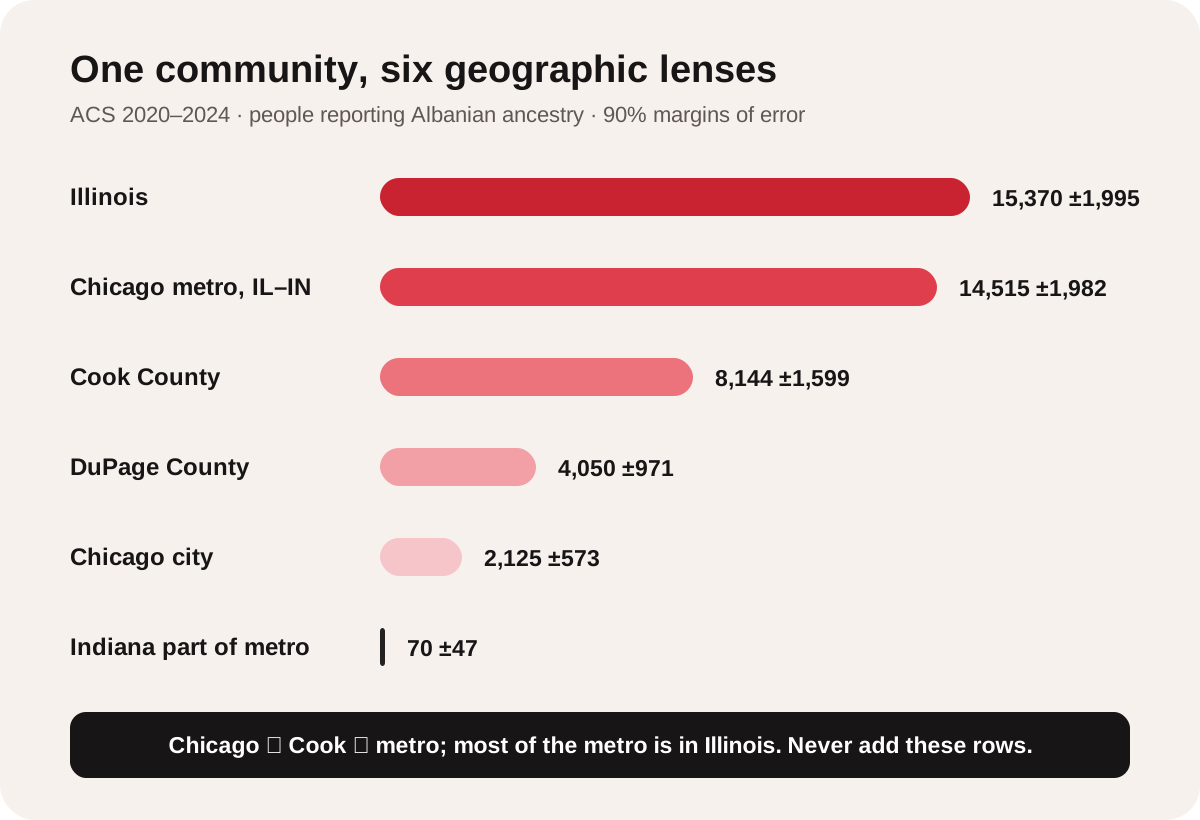
| Geography | Estimate | 90% MOE | Share | What it covers |
|---|---|---|---|---|
| Chicago city | 2,125 | ±573 | 0.078% | City limits only |
| Cook County | 8,144 | ±1,599 | 0.157% | Chicago plus suburban Cook |
| DuPage County | 4,050 | ±971 | 0.436% | A separate suburban metro county |
| Chicago metro, IL–IN | 14,515 | ±1,982 | 0.155% | 13 counties in Illinois and Indiana |
| Illinois | 15,370 | ±1,995 | 0.121% | The full state |
| Indiana part of the metro | 70 | ±47 | 0.010% | Jasper, Lake, Newton and Porter counties |
What “Albanian ancestry” measures
Table B04006 is called People Reporting Ancestry. A respondent may report up to two ancestries. The Albanian line can therefore include a recent immigrant, a US-born child, a mixed family or a distant descendant if “Albanian” is one of the answers recorded. It can miss a person who writes only “American,” “Kosovar,” another regional identity or no ancestry.
The survey pools 60 months of responses. “2024” is the release endpoint, not a one-day count. The ± figures are the Census Bureau's 90% margins of error, not optional fine print: Chicago's plausible survey interval is much wider than 2,125 alone suggests.
The metro changed its official name
The 2024 ACS uses the July 2023 federal delineation Chicago–Naperville–Elgin, IL–IN. The Indiana side contains Jasper, Lake, Newton and Porter counties. Wisconsin is outside this MSA. Older sources that say IL–IN–WI are not necessarily wrong for their own date, but their geography cannot be silently reused for a current estimate.
The metro's Illinois part is 14,445 ±1,991; its Indiana part is 70 ±47. Lake County, Indiana, is 44 ±38. Those small, imprecise current estimates do not erase the Albanian history of Gary and Whiting. They simply mean the current ACS ancestry signal is weak there.
The map: Northwest Side streets, western institutions and suburban households
Chicago does not have a Census-defined Albanian neighborhood. The community is visible instead through a chain of homes, institutions, businesses, schools and recurring meeting places. Lincoln Square and Albany Park belong in the story as urban context, not as a demographic claim.
The Census does not publish B04006 for Chicago's 77 community areas. Its broad PUMA combining Albany Park, Norwood Park, Forest Glen, North Park and O'Hare estimates 344 ±357 people reporting Albanian ancestry. The PUMA combining West Ridge, Lincoln Square and North Center estimates 231 ±177. Neither can say how many live in Albany Park or Lincoln Square, and the first margin of error is larger than its estimate.
ZIP-like ZCTAs are no cleaner: 60625 records 125 ±119 and 60630 records 169 ±94. ZCTAs cross neighborhood boundaries and approximate postal areas. They support a cautious Northwest Side signal, not a pin map of Albanian households.
A four-part practical map
- Lincoln Square and Albany Park: immigrant-gateway neighborhoods and cultural/commercial reference points. Use them as an area to explore, not a bounded enclave.
- The wider Northwest Side: St Nicholas at 2701 N Narragansett gives the Orthodox community a stable address; families travel from across the region.
- Berkeley and Hillside: AAIC's Berkeley campus is the major west-suburban Muslim, school and social anchor. Hillside is the adjacent orientation point in the same practical corridor.
- DuPage and outer suburbs: DuPage County's 4,050 ±971 is strong county-level evidence. Individual place estimates such as Lombard, Wheaton and Naperville have large overlapping uncertainties, so no suburb is crowned “the most Albanian.”
This network explains why a residence-only map can mislead. A family may live in DuPage, attend Sunday school in Chicago or Berkeley, meet an origin association downtown, and gather at Busse Woods or Lombard for an annual event.
From Argo and Gary to Narragansett and Berkeley
Albanian Chicago did not begin in Lincoln Square or Albany Park.
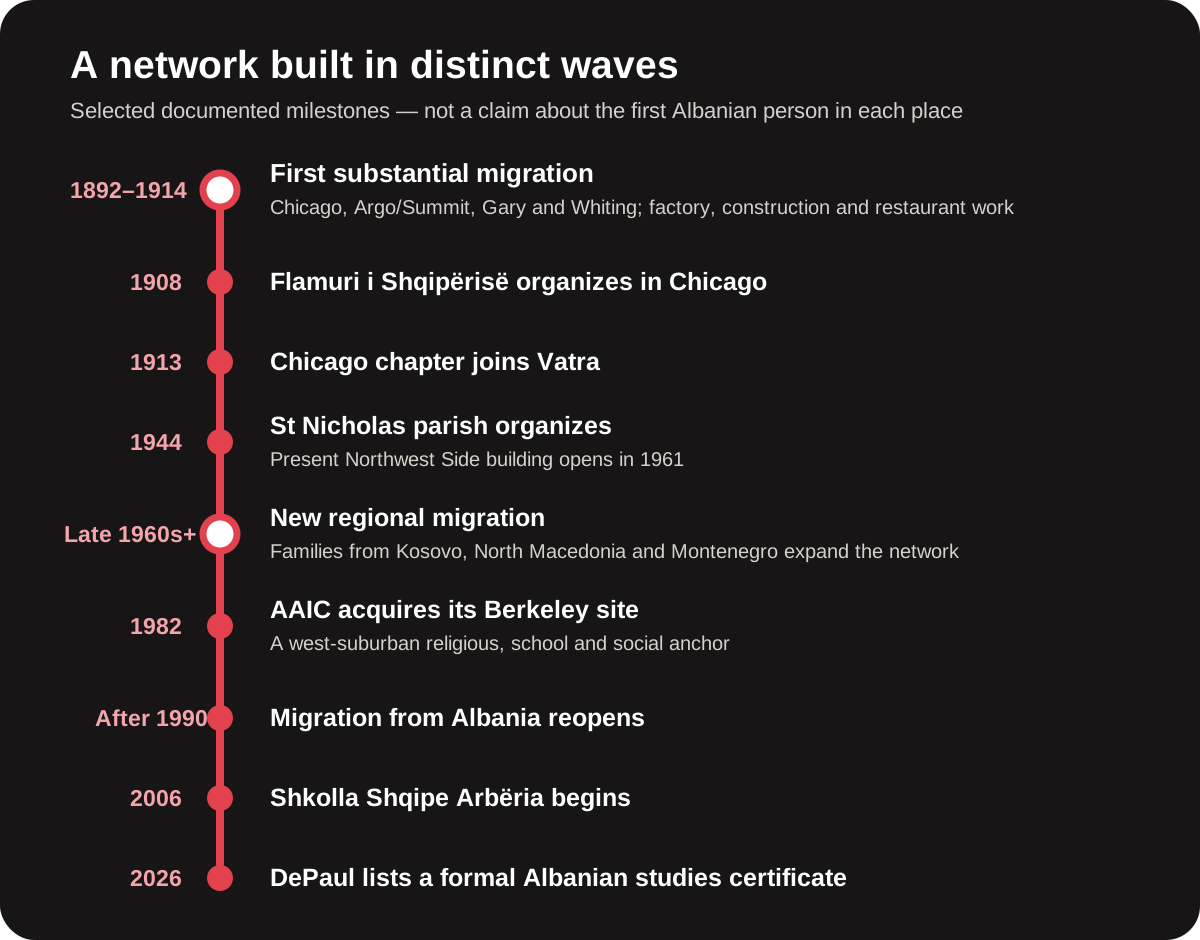
Its roots reach back to the industrial Chicago region of the late 19th and early 20th centuries, when young Albanian men—many from southern Albania—came looking for work. Some settled in Chicago itself; others followed factory and industrial jobs to places such as Argo, Gary and Whiting.
Between roughly 1892 and 1914, that early community began building networks that were social, political and eventually religious. Chicago's Flamuri i Shqipërisë organization formed in 1908 and became a Vatra chapter in 1913, while Albanian networks also appeared in Argo and Gary.
The map would change repeatedly over the next century. But one pattern remained: Albanian life in the Chicago region was never confined to Chicago's city limits.
Swipe horizontally to explore the full timeline.
Organizations arrived early
The Chicago Foreign Language Press Survey preserves translated period reporting from this small but politically active community.
Population growth stayed slow through the interwar period and the Second World War. That did not prevent institution building. Twelve Albanian-descended men organized St Nicholas in 1944; the parish incorporated on 18 June, acquired a former Danish Lutheran church on Rockwell in 1947, and opened the present Narragansett building in 1961.
The migration map widened after the 1960s
From the late 1960s, families arrived from Kosovo, present-day North Macedonia and Montenegro. They brought village and regional ties that shaped mutual aid, marriage networks, religious life and organizations. AAIC dates its organization to this period; a federal record dates acquisition of its Berkeley former-school property to 1982.
After Albania's communist system collapsed, migration directly from Albania increased in the 1990s. That arrival did not replace the earlier southern-Albanian or former-Yugoslav strands. It added another migration history to the same city.
A historical estimate is not a current count
The Encyclopedia reported a 2001 community estimate of 12,000–15,000 people across Illinois, Northwest Indiana and southern Wisconsin. That number is valuable evidence of how organizers then understood their regional catchment. It is not the 2024 ACS metro figure: the geography, date and method differ. This page does not combine them.
One Albanian Chicago, many places of origin
Ask two Albanian families in Chicago where they come from and you may get very different answers: southern Albania, Kosovo, Kërçovë or Gostivar in North Macedonia, Ulqin in Montenegro—or simply Chicago.
Those differences are part of the community's story. Earlier migration was strongly connected to southern Albania. From the late 1960s, families from Kosovo, North Macedonia and Montenegro added new village, family and religious networks. After 1990, migration directly from Albania grew again.
That is why nationality alone cannot explain Albanian Chicago. Someone from Kosovo may have arrived with Yugoslav documents; a family from North Macedonia may identify simply as Albanian; and a second- or third-generation Chicagoan may feel connected through language, family, food, faith or a particular village rather than a passport.
These histories overlap in Chicago, but they are not interchangeable—and this guide does not treat them as if they were.
Current organizations make parts of that geography visible. Shoqata Uskana connects Kërçovë-rooted families; Diaspora Ulqinit builds an Ulqin-rooted network. AACI's directory lists further regional groups. Their existence proves living networks, not what percentage of Chicagoland Albanians comes from any origin.
Work and entrepreneurship: from factories and kitchens to professions
Early sources describe factory hands, construction workers, cooks, bartenders, barbers, upholsterers, clerks and restaurant workers. Later accounts add contractors, small-business owners and professionals. The useful story is mobility and adaptation—not a stereotype that confines a diverse community to one trade.
The AACI business directory now spans restaurants, construction, engineering, law, insurance, health, real estate and other services. It is community-maintained rather than a complete business census. Use it to discover a service, then independently confirm ownership, licensing, location and opening hours.
Food as public identity
Period Albanian-language press translated by the Newberry project records byrek, lamb dishes, rice pudding, kos, sweets and coffee in Chicago homes. Those menus are historical examples, not one uniform national cuisine. Contemporary Byrek Fest makes the same point publicly: versions associated with Albania and Kosovo share a table while music and dance turn food into an intergenerational gathering.
For an everyday restaurant example, Rosewood Tavern identifies its mother-and-son team as ethnic Albanians from Montenegro and describes a Balkan home-cooking influence. It is one family story, not a claim that every Balkan restaurant is Albanian. For a broader current search, use AACI's directory and verify details before visiting.
Faith institutions—and the limits of an institution map
The US Census does not ask religion. There is no defensible official percentage of Albanian Chicago that is Muslim, Orthodox, Catholic or secular. Institutions show durable public life, but they do not measure private belief.
St Nicholas: an Orthodox anchor on the Northwest Side
St Nicholas Albanian Orthodox Church traces its parish to 1944 and its current Narragansett building to 1961. A 1988 addition created Sunday-school rooms and an Albanian Cultural Center. The parish belongs to the Albanian Orthodox Diocese in America; the Assembly of Bishops directory independently confirms the parish and address.
AAIC: a Berkeley religious, school and social campus
The Albanian American Islamic Center describes an organization founded in the 1960s. The US Department of Justice records that it acquired a 4.5-acre former school in Berkeley in 1982 and used it continuously for worship. Today its official site lists prayer, a hall, youth work, funeral services, a library/café and weekend school.
AAIC's board description says villages with at least 30 members may be represented. That is a revealing institutional design: village ties are not only remembered socially; they can be built into governance. It does not provide an origin census.
What the directory did not find
This review did not verify a dedicated current Albanian Catholic parish or mission in metropolitan Chicago through the official Archdiocese of Chicago directory. That is a directory limitation, not evidence that Albanian Catholics are absent. Catholic residents may worship through territorial or multilingual parishes. The page will not invent a specialist directory entry.
Schools and the next generation
Two weekend schools show how different parts of the community transmit language. Shkolla Shqipe Arbëria says it began in 2006 after a child asked why there was no school where she could learn Albanian. Its admissions page describes Sunday classes for ages 7–17 at St Nicholas, welcomes all faiths and says the curriculum has no religious instruction.
AAIC's Shkolla Shqipe “Kongresi i Manastirit” teaches Albanian alongside Islamic studies and Quran during the school year. The two models should not be collapsed: one is explicitly cultural and multifaith; the other combines language and religion.
From weekend classes to university infrastructure
DePaul's Albanian studies work includes the annual Hidai “Eddie” Bregu lecture and, in the 2026 catalog, an Albanian and Southeastern European Studies undergraduate certificate. Campus groups at DePaul and Loyola, including Loyola's Albanian American Medical Student Society, move identity into student and professional life.
That is the next-generation shift: the language may be learned on Sunday, but Albanian identity is also debated in a lecture hall, expressed through dance, organized through medicine and mental-health service, or carried through friendships among people whose family origins differ.
Staying connected beyond Chicago
Chicago's Albanian community has always been built through connections that stretch beyond one neighborhood—from family and village networks to schools, faith communities, businesses and public events.
Today, some of those connections happen online too. dua.com brings Albanians together across Chicago and the wider diaspora, whether you're looking to meet someone nearby or connect with Albanians elsewhere in the US and around the world.
If you're in Chicago, you can discover Albanian profiles nearby. And with Fly, you can explore another city before a trip—whether that's New York, Prishtina, Tirana or somewhere else across the diaspora.
Chicago may not have one “Little Albania.” The community is still closer than it looks.
Civic, village, women's and professional networks
The Albanian-American Community of Illinois functions as an umbrella directory for religious groups, schools, regional associations, sports, student groups, charities and media. It also maintains event and business pages. Each listing should be checked with the organization itself; a directory entry is not proof of current activity.
Organizations such as Care for Albania and the Albanian-American Women's Association of Greater Chicago show a wider civic field involving mental health, women, professional life and charitable work. The page links institutions and public services, not the names or details of ordinary members, students or clients.
Media and archives
The strongest verifiable Chicago Albanian media resource is historical: the Chicago Foreign Language Press Survey's Albanian collection, preserved by the Newberry Library and Chicago Public Library. AACI lists contemporary community media, but this review did not independently verify a stable current schedule for a dedicated Chicago Albanian broadcaster. Readers should treat the directory as a discovery route, not a guarantee of active publication.
Events: what is verified for 2026
Community calendars change quickly. The status below was checked on 28 August 2026; always open the organizer page before traveling or buying a ticket.
| Event | Date/status | Place | Verification |
|---|---|---|---|
| Albanian American Community Night | · past | United Center, Chicago | Post-event report and embedded footage; organizer-led event, independently reported |
| AACI Byrek Fest | · past | Busse Woods | Organizer record |
| St Nicholas annual picnic | 30 August · year not specified; confirm the next date | Madison Meadow Park, Lombard | Parish news; page omits year, confirm directly |
| 7th Albanian Boat Cruise | · listed date has passed | DuSable Harbor, Chicago | Shoqata Uskana organizer listing, age 16+ |
AACI archives document recurring Independence Day programming in late November, but this review did not independently confirm a 2026 date. Use the AACI events page and the organizer's social channels instead of relying on an old flyer.
Belushi, Murad and the Chicago-region story
These are not generic “famous Albanian” entries. Both biographies grow directly from the Chicago region's immigrant restaurant economy and show two very different paths into American public life.
John and Jim Belushi: restaurant work into Chicago performance
John Belushi was born in Chicago in 1949 and raised in Wheaton. The official biography preserved by the Internet Archive says his father Adam arrived from Albania in 1934 and operated two restaurants. John graduated from Wheaton Central in 1967, joined Second City in 1971 and later became an original Saturday Night Live cast member.
In a Chicago Magazine interview, Jim remembers the family's Olympia Lunch in Logan Square and the work shared by his father and uncle. “Born in Chicago” and “raised in Wheaton” are both kept precise here.
1967 Wheaton Central High School yearbook portrait · Wikimedia Commons · public domain (yearbook published without a copyright notice) · resized by dua.com.
Ferid Murad: Whiting, an Albanian-Macedonian family and a Nobel Prize
Murad's Nobel autobiography says his father came from an Albanian family in Macedonia, settled first in Chicago and later ran a restaurant in Whiting, Indiana, where Ferid was born in 1936. Murad shared the 1998 Nobel Prize in Physiology or Medicine for work on nitric oxide as a signaling molecule.
His own wording—“Albanian from Macedonia”—resists a tidy passport label. It also shows why Northwest Indiana belongs to the community's history even when the present ACS ancestry estimate is small.
Photo: Jeff Dahl / Wikimedia Commons · CC BY-SA 4.0 · resized and converted to WebP by dua.com.
Practical directory
| Need | Verified starting point | What to check |
|---|---|---|
| Orthodox parish | St Nicholas Albanian Orthodox Church, 2701 N Narragansett Ave, Chicago | Service and event schedule |
| Muslim center | Albanian American Islamic Center, 5825 St Charles Rd, Berkeley | Prayer, school, youth and hall contacts |
| Language school | Shkolla Shqipe Arbëria admissions | Term dates, ages and registration |
| Civic/community directory | AACI community organizations | Confirm each group's current activity |
| Businesses and food | AACI Illinois business directory | Ownership, hours, address and licensing |
| Higher education | DePaul Albanian studies | Current courses, lectures and certificate requirements |
| Charitable/mental-health work | Care for Albania | Programs, referrals and event dates |
| Albanian consular service | Embassy of Albania in the US | Current office jurisdiction and appointment rules; no Chicago Albanian consulate was verified |
Addresses and public contacts belong to institutions, not private individuals. This page does not reproduce member lists, officer phone numbers, student names or any dua.com profile data.
Method, correction policy and what we did not combine
Statistical method
All population figures use the US Census Bureau ACS 2020–2024 five-year detailed table B04006. The Albanian estimate is B04006_E003; its 90% margin of error is B04006_M003. Values were checked in the official table-based Summary File and geography file.
Geography rules
- Chicago is inside Cook County; both are inside the metro. They are never added.
- Illinois overlaps almost the entire metro; state and metro are never added.
- The current metro is IL–IN under the 2023 OMB definition; it excludes Wisconsin.
- PUMAs and ZCTAs are broad statistical proxies, not Chicago neighborhood boundaries.
- A small-area point estimate of zero with a nonzero MOE does not establish absence.
Data categories kept apart
We did not add Albania-born residents to Albanian-ancestry residents, infer a Kosovo-origin count from ancestry, use home language as ethnicity, turn refugee arrivals into current population, treat the National Albanian Registry as a census, or merge a dated community estimate with an ACS result. No audited Chicago-level dua.com aggregate was available, so the page publishes no product population or activity number.
Historical and directory method
Institutional dates and addresses were checked against official parish, center, university, federal and municipal records. Community directories are used for discovery and are labeled first-party. Events are included only when an organizer-controlled page verifies them; expired events are marked past. Rights-reserved official photographs remain on their publisher's site.
Correction policy: if you have a primary record that changes a date, address or figure, contact the editorial team with the document. A correction to evidence is different from a disagreement about how “Albanian” should be defined.
Frequently asked questions about Albanians in Chicago
How many Albanians live in Chicago?
The ACS 2020–2024 estimates 2,125 ±573 Chicago residents reporting Albanian ancestry. Cook County is 8,144 ±1,599 and the Chicago–Naperville–Elgin, IL–IN metro is 14,515 ±1,982. These are overlapping ancestry estimates, not numbers to add.
Where do Albanians live in Chicago?
The community operates as a network across the Northwest Side, Cook and DuPage counties. Lincoln Square and Albany Park are cultural and urban reference points; St Nicholas anchors the Northwest Side and AAIC anchors Berkeley and the adjacent Hillside corridor. Official data cannot draw a precise Albanian neighborhood boundary.
Is there a Little Albania in Chicago?
No official or statistically defensible boundary was verified. Broad PUMAs and ZCTAs cannot isolate Lincoln Square or Albany Park, and their margins of error are large. It is more accurate to describe a Northwest Side and west-suburban network.
Are Chicago Albanians mainly from Albania or Kosovo?
Both, and from other Albanian regions. Early migration leaned toward southern Albania; from the late 1960s many families came from Kosovo, North Macedonia and Montenegro; migration from Albania increased after 1990. No official source provides a reliable origin percentage within the local Albanian-ancestry population.
What Albanian religious centers are in Chicagoland?
St Nicholas Albanian Orthodox Church is at 2701 N Narragansett in Chicago. The Albanian American Islamic Center is at 5825 St Charles Road in Berkeley. This review did not verify a dedicated current Albanian Catholic parish; that does not mean Albanian Catholics are absent.
Are there Albanian-language schools in Chicago?
Yes. Shkolla Shqipe Arbëria offers Sunday language and cultural classes at St Nicholas and welcomes families of all faiths. AAIC's Kongresi i Manastirit weekend school combines Albanian with Islamic and Quran studies.
What events bring the community together?
Recurring public routes include Byrek Fest, St Nicholas's picnic, Uskana's boat cruise and late-November Independence programs. Dates and venues change. The 2026 details on this page were checked on 28 August, and organizer links should be rechecked before attending.
What is the Belushi family's connection to Albanian Chicago?
John Belushi was born in Chicago and raised in Wheaton. His father Adam came from Albania in 1934 and ran restaurants. John entered Chicago comedy through Second City; Jim Belushi has described the family's Olympia Lunch in Logan Square and the work behind it.
Why is Ferid Murad part of this story?
The 1998 Nobel laureate was born in Whiting, Indiana, where his parents operated a restaurant. His father came from an Albanian family in Macedonia. Murad links the Calumet region, Albanian regional identity and a major American scientific career.
Does the page include dua.com member data for Chicago?
No. No audited Chicago-level aggregate was available for publication in this release. Product activity is not population evidence, and this page never exposes member profiles or individual-level data.