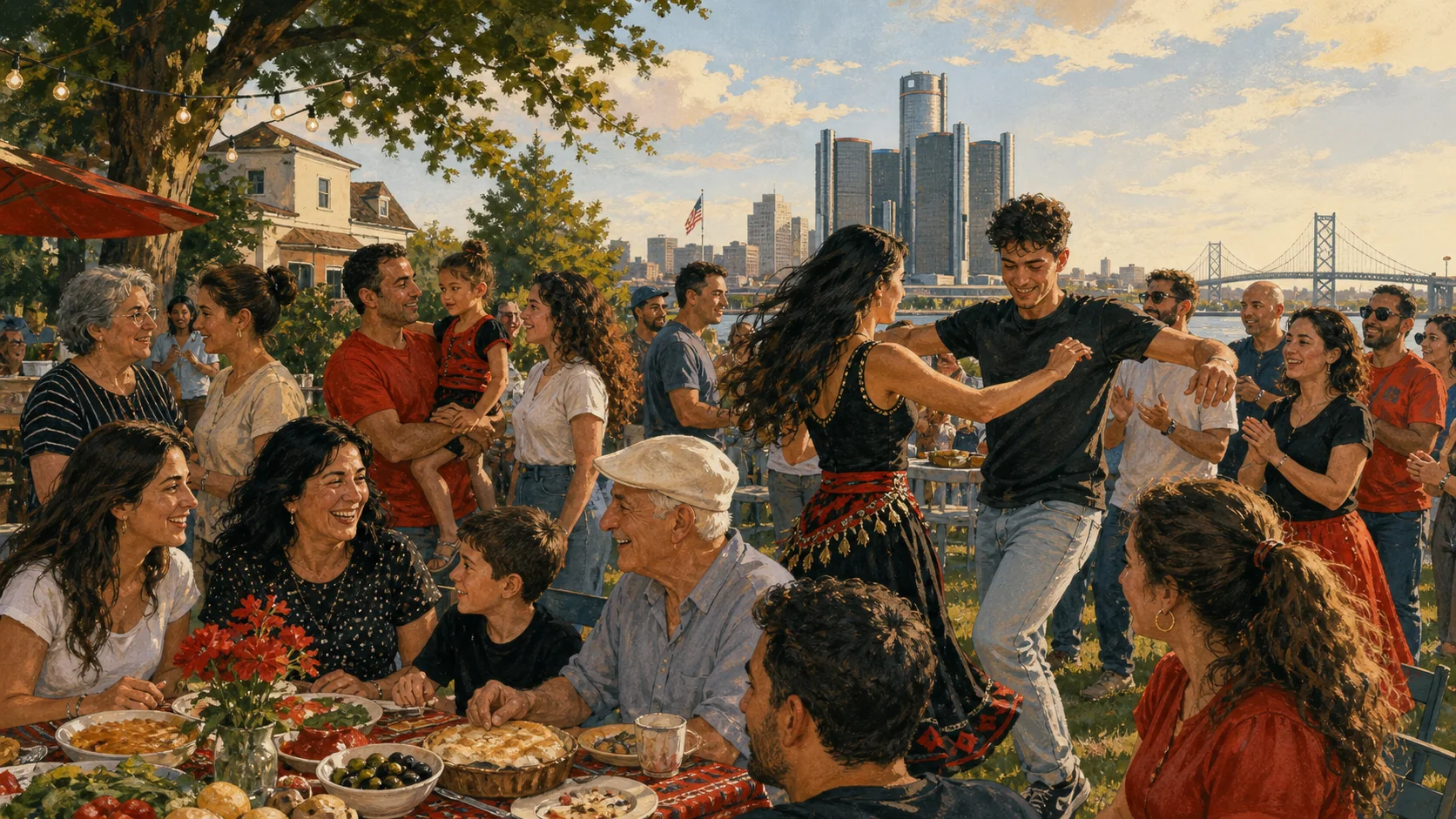
The Albanian community of Detroit reaches far beyond the city itself. Its strongest residential base lies north in Macomb County, especially Sterling Heights and the suburban corridor around Van Dyke Avenue, with another substantial network through Oakland County.
Detroit → Harper Woods → Taylor → Sterling Heights → Rochester Hills
An Orthodox church in Farmington Hills, an Islamic center in Harper Woods, the Bektashi teqe in Taylor and Catholic institutions in Rochester Hills and Southfield connect different parts of this map. There is no single “Little Albania”: family, business and soccer networks link suburbs and generations, from industrial-era arrivals to today’s US-born community.
For more on this topic, read Albanians in New York: Population, Map and History and Albanians in America: More Than 400,000 People.
See the community in motion
Statistics locate the community; they do not show what it feels like. Metro Detroit’s Albanian Community Television has documented the ordinary places where the network becomes visible: a parish golf day, a Malësia fundraiser and organizers preparing a September cultural festival.
Evidence reviewed 28 August 2026. Ancestry, birthplace, language, refugee admissions, organization membership, community estimates and dua.com activity are different measures and remain separate throughout.
How many Albanians live in Metro Detroit?
The clearest official measure is 24,575 ± 2,354 Metro Detroit residents reporting Albanian ancestry in the US Census Bureau’s 2020–2024 American Community Survey, table B04006. It is a survey estimate with a 90% margin of error, not an exact count of everyone with Albanian roots.
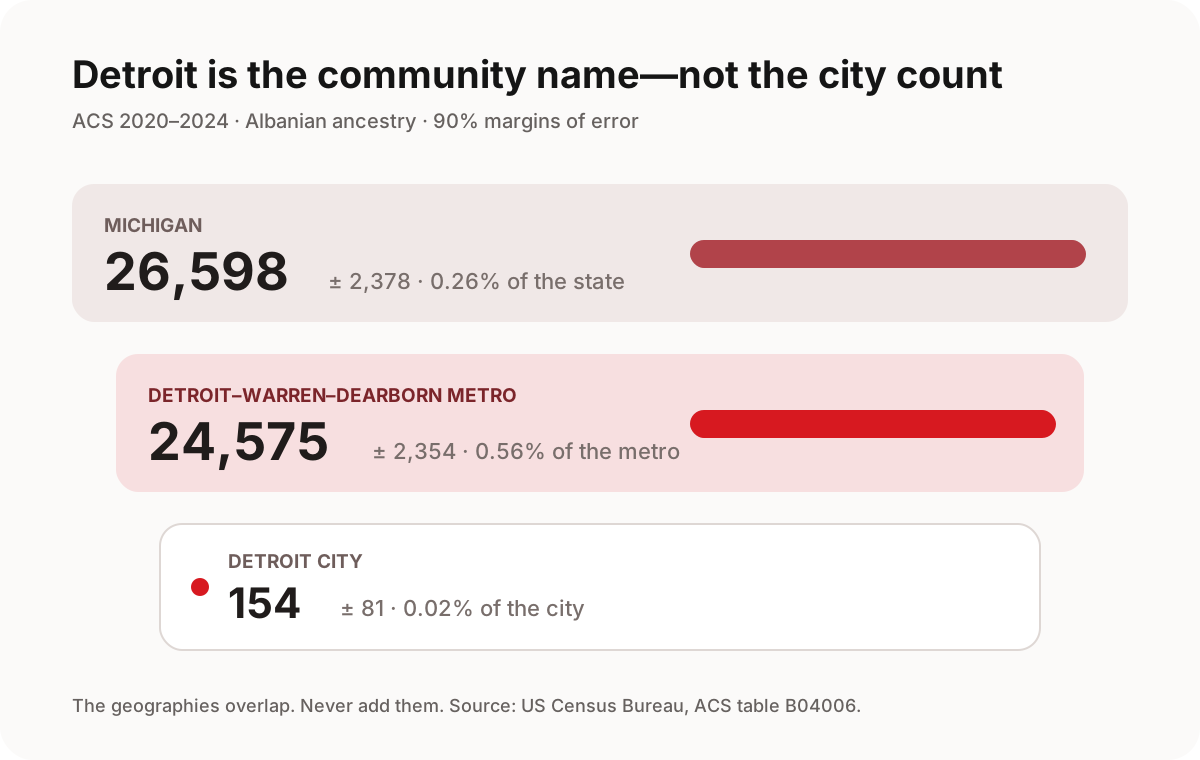
The same measure estimates 26,598 ± 2,378 across Michigan and 154 ± 81 inside Detroit city. About 92% of the statewide point estimate falls within the metro. These overlapping geographies describe different scales of the same community and must not be added.
What it does not count
Respondents can report up to two ancestries. The measure can include Albania-born immigrants, US-born descendants and mixed families when they report Albanian ancestry. It can miss people who instead identify as Kosovar, Macedonian, Montenegrin, American or by another national or regional identity. Birthplace, language, refugee arrivals, institutional membership and dua.com accounts answer different questions; none supplies a reliable multiplier for this estimate.
| Measure | Current value | What it means | Can it be added? |
|---|---|---|---|
| Metro ancestry | 24,575 ±2,354 | People who reported Albanian ancestry | No; headline measure |
| Michigan ancestry | 26,598 ±2,378 | Same question, statewide | No; contains metro |
| Detroit city ancestry | 154 ±81 | Same question, city boundary | No; inside metro |
| PUMS composition | 28,228 ±3,506 | Microdata estimate used for origin/work signals | No; alternate estimation |
| dua.com activity | 13,437 across the US | First-party member snapshot, July 2026 | No; not Detroit and not population |
Where the community lives
Macomb County is the clearest residential center: 12,164 ± 1,737 people reporting Albanian ancestry, or 1.38% of the county. Oakland County has 6,729 ± 1,261; Wayne County 5,024 ± 875. These counties sit inside the metro figure. They explain it; they do not enlarge it.
Sterling Heights and the Van Dyke belt
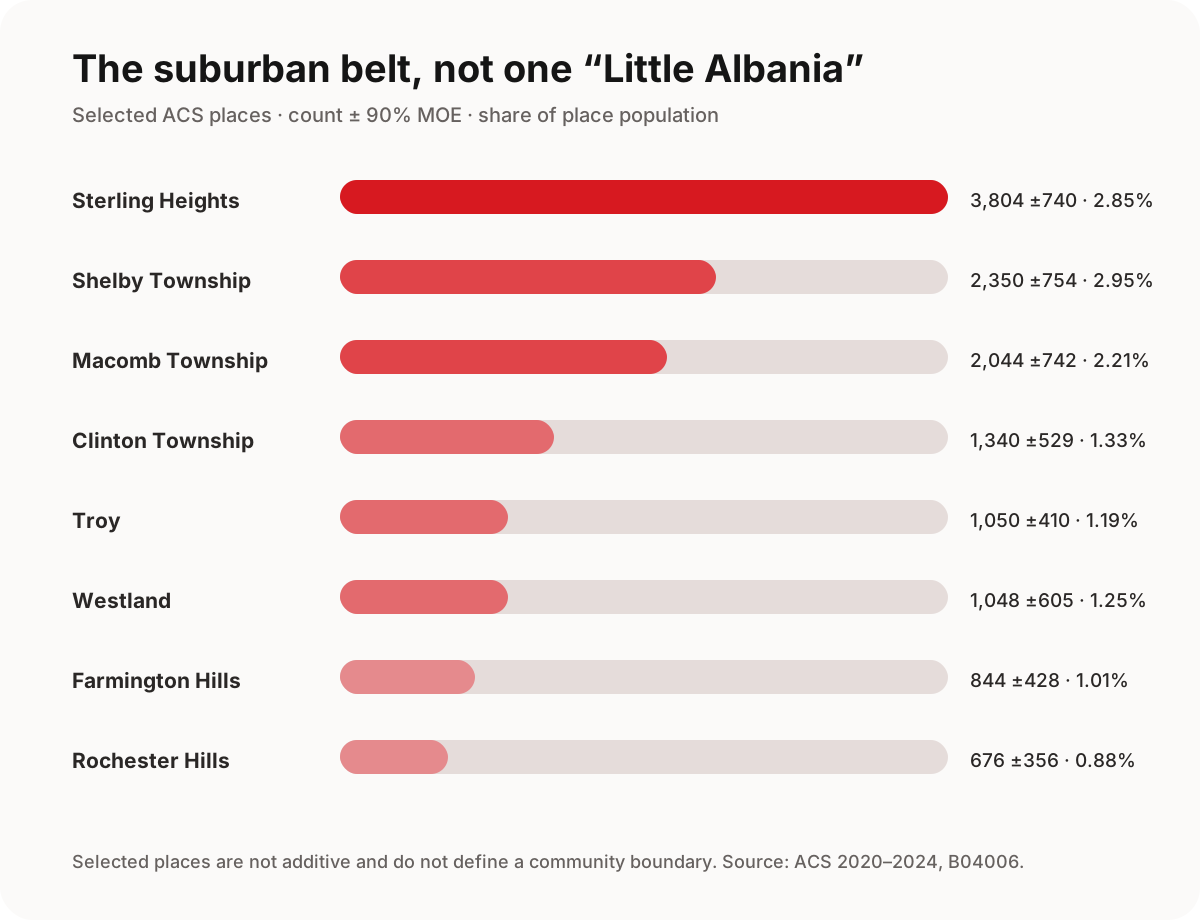
Sterling Heights has the largest verified place estimate in the region: 3,804 ± 740, or 2.85%. North of it, Shelby Charter Township reaches 2,350 ± 754 and Macomb Township 2,044 ± 742. Clinton Charter Township has 1,340 ± 529. The corridor is not literally one street, but Van Dyke Avenue is a useful spine for understanding homes, banquet halls, restaurants, the GKSF gala venue and the northward movement of family networks.
Oakland and Wayne are different parts of the same system
Troy’s 1,050 ± 410 and Farmington Hills’ 844 ± 428 sit near business and Orthodox networks; Rochester Hills’ 676 ± 356 is home to St Paul Albanian Catholic Church. In Wayne County, Westland’s point estimate is 1,048 ± 605, while religious institutions remain in Harper Woods and Taylor even where residential estimates are small. An institutional address is not a population count. Harper Woods has a point estimate of zero with a margin of error of ±18, yet the Albanian Islamic Center has served the region there since 1963.
ZCTAs reinforce the broad belt but are less precise. ZCTA 48313 in Sterling Heights reaches a 3.75% point estimate; 48310, 48315, 48316 and 48317 fall around 2.6–3.0%. They approximate postal ZIP codes, not neighborhoods, and their margins are too wide to rank blocks or infer exact household clusters. The page therefore does not publish a “most Albanian ZIP code” trophy.
No single neighborhood can hold this community
The physical map of Albanian Detroit is also a map of distance. A parish in Rochester Hills, a teqe in Taylor, a mosque in Harper Woods, an Orthodox church in Farmington Hills and family networks across Macomb County keep the community visible—but they do not put every Albanian of the next generation in the same room.
That is where dua belongs in this story. It does not replace a church, school, soccer club, association or cousin’s introduction. It adds a searchable layer to all of them: Albanian identity is the starting point, while compatibility remains personal. Someone in Sterling Heights can look beyond one suburb, across the United States, or toward the cities that still shape family life on the other side of the Atlantic.
Flight Mode makes that geography explicit. Members can search another city before a visit or simply widen the map from Michigan. In the July 2026 US snapshot, New York, Prishtina and Tirana were the most-selected destinations. The route is recognizably Albanian-American: across the country, then back across the ocean.
Five migrations, not one
The community’s regional unity can hide how different its arrivals were. A family from Korçë connected to the Orthodox parish, a Catholic family from Montenegro, a Kosovar refugee, an Albanian engineer who arrived after 1990 and a Michigan-born student may all use the same “Albanian Detroit” label while carrying different migration histories.
1. The industrial-city beginning
Carol McGinnis’s Michigan Genealogy summarizes the earliest documented movement as southern-Albanian immigrants coming to Michigan from New York and New England in the second decade of the twentieth century. That supports a secondary-migration story, not a claim that Detroit was their first US stop. An older 1951 Detroit study is repeatedly cited for a precise 1912 start and groups in east Detroit, northwest Detroit and Grosse Pointe; its archived catalogue entry was located, but the cited page was not publicly readable during this review. Those finer details therefore remain in the research ledger, not as settled page facts.
St Thomas Albanian Orthodox Church records Albanian services at the YMCA on East Grand Boulevard in 1927 and formal organization in 1929. That places the first durable institution inside the industrial city. Early arrivals entered an economy organized around factories and the automobile, but no surviving source supports the simple claim that every early Albanian—or even most—worked on an auto line.
2. Postwar displacement and institution builders
The mid-century layer included people displaced by war, fascism and the communist takeover of Albania. The Albanian Islamic Society formed in 1945 and invited the scholar Vehbi Ismail, who arrived in 1949. Baba Rexheb reached the United States through exile and, with local supporters, opened the Bektashi teqe in Taylor on 15 May 1954. These institutions were not duplicates: they preserved different religious practices, book traditions and regional networks.
3. Migration from Yugoslav Albanian regions
Later chains drew strongly from Albanian communities in Kosovo, Montenegro and North Macedonia. Frances Trix records that a number of Roman Catholic Albanians from Montenegro came to Detroit by way of Mexico. The underlying book page supports the route, but not any conclusion about immigration status; this guide makes none. The statewide PUMS file finds all of those birthplaces among residents who report Albanian ancestry, but the smaller cells have wide uncertainty. It would be wrong to turn birthplace counts into an ethnic ranking: Michigan-born descendants are absent from every Balkan birthplace row, and birthplace in a multiethnic state does not itself prove ethnicity.
4. Albania after 1990 and Kosovo in the 1990s
The collapse of Albania’s communist system opened another migration channel. The Kosovo crisis added refugees and relatives. The federal 1999 immigration yearbook records 14,161 refugee arrivals from Kosovo to the United States. That is a national admissions count, not a Detroit figure; the page uses it only to place local family histories inside a documented national movement.
5. A suburban, US-born generation
Today’s institutions look different because the community’s needs changed. A scholarship fund finances Michigan college students. A campus organization teaches culture and language. Soccer clubs create weekly contact without requiring a religious affiliation. A chamber of commerce launched in Troy in 2026. The geography also changed: the symbolic history remains in Detroit, Highland Park, Harper Woods and Taylor, while many households moved north into Macomb and Oakland.
Four traditions, one region
Metro Detroit’s most distinctive Albanian story is not that one denomination dominated. It is that Orthodox, Sunni, Bektashi and Catholic institutions developed durable homes in the same region and repeatedly cooperated across their differences. That history should not be romanticized into perfect unity, nor should it imply that every Albanian is religious. It does explain why the community could remain connected while spreading across a large metro.
The institutions also preserve civic history. The Congressional Record credits Father Anton Kqira and St Paul with organizing aid for people wounded in Kosovo. AIC’s history connects Vehbi Ismail’s scholarship to generations of Detroit Muslims. Research on the Taylor teqe shows how Bektashi practice survived in Michigan while communist Albania suppressed religious life. Their value lies not only in buildings but in archives, language, funerals, weddings, fundraising and the slow transmission of memory.
Work and enterprise
Detroit’s economy makes the auto industry impossible to ignore. It would still be a mistake to make it the entire Albanian work story. In current statewide microdata, 6.38% ±2.18 percentage points of employed Albanian-ancestry people work in motor-vehicle manufacturing, compared with 7.47% ±0.13 of Michigan’s employed population overall. The estimates overlap. The data do not support “Albanians became the auto workforce” as a present-tense conclusion.
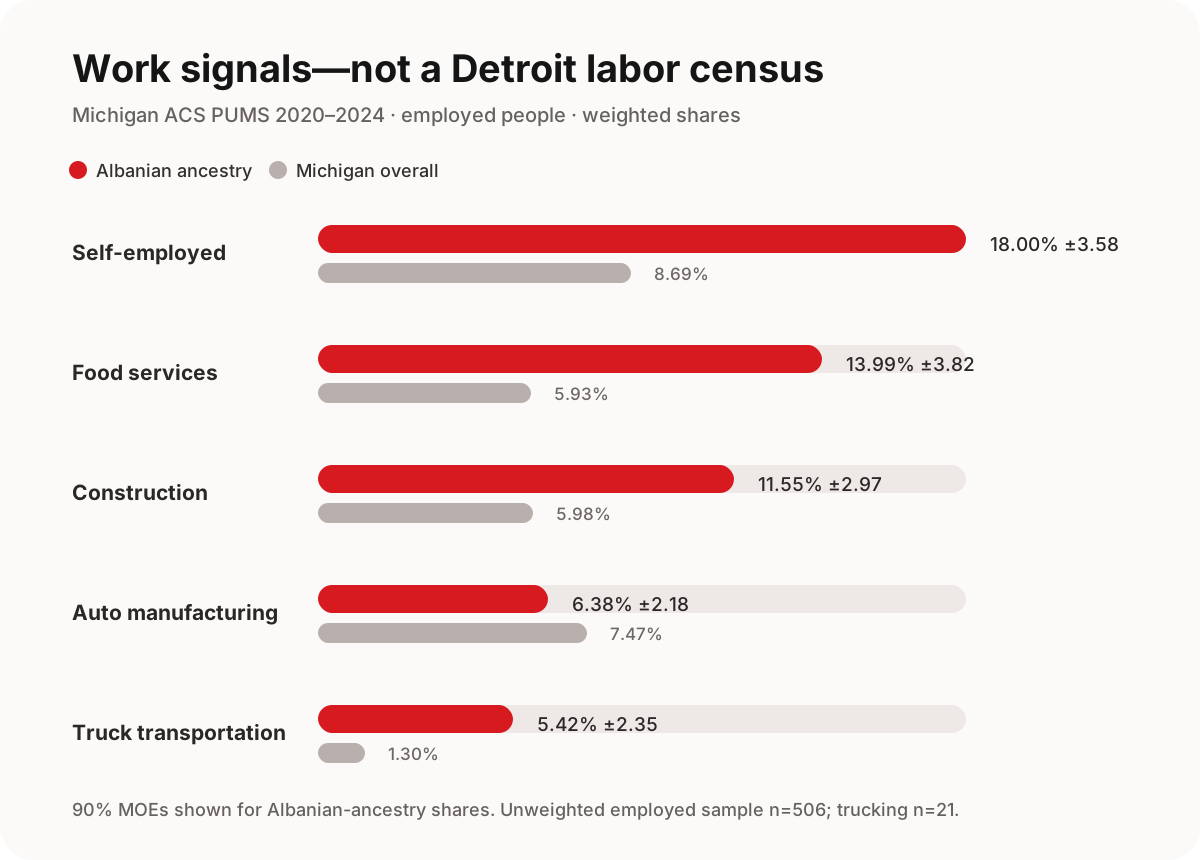
The stronger current signals are self-employment, food services, construction and trucking. 18.0% ±3.58 percentage points of employed Albanian-ancestry people are self-employed, compared with 8.69% statewide. Truck transportation is 5.42% ±2.35, about 4.2 times Michigan’s 1.30% point estimate. Food services are 13.99% ±3.82, more than twice Michigan overall. These are useful signals, not occupational destinies: small unweighted samples and statewide geography demand restraint.
The 2026 launch of the Albanian American Chamber of Commerce in Troy is a marker of institutional change. Earlier entrepreneurs relied mainly on family, congregation and informal referrals. The chamber is trying to turn those networks into a visible business platform with governance, membership and professional programming. Its claim of more than fifty early members is first-party and not treated as a census of Albanian-owned firms.
Food as memory
Metro Detroit’s Coney Island restaurants are part of a larger immigrant food economy: diners, grills and all-day counters where ownership can change without the menu advertising the owner’s origin. Local television documented the Ljulgjuraj family’s Boulevard Cafe and Coney Island, whose Detroit history stretches back decades and whose owners also built a Macomb County business. One family is not proof of an ethnic monopoly; it is a documented example of the restaurant ladder.
Newer restaurants make Albanian identity visible rather than hidden. BESA in downtown Detroit describes an Adriatic experience and connects managing partner Mario Camaj’s hospitality to his family’s vineyard in Albania. Babo in Midtown says its name—Albanian slang for “dad”—honors owner Kris Lelcaj’s father. This is not a directory of every Albanian-owned restaurant. It is a transition visible in two names: from ownership that customers may never notice to a brand that puts Albanian memory on the door.
Language, schools and the next generation
Language transmission is now a family and institutional choice. The statewide PUMS estimate finds about 19,039 ± 2,640 Albanian-ancestry residents speaking Albanian at home. That figure is not added to the ancestry count: it is a behavior measured among an overlapping population, and it does not tell us fluency, dialect or literacy.
The Albanian Islamic Center advertises language classes and youth education. The Bektashi teqe has hosted an Albanian school, though its online calendar was stale at this review. Religious education at Catholic and Orthodox parishes also carries language through songs, prayers and family events. The practical lesson is simple: ask each institution directly about the current term, age groups, fees and waiting lists.
The Gjergj Kastrioti Scholarship Fund, founded in 1999, supports Albanian-American students pursuing four-year degrees in Michigan. Its existence says something important about the second generation: preserving identity is no longer only about weekend language school. It is also about financing education, mentoring students and building professional networks.
At the University of Michigan, the Albanian American Student Organization describes a space for language, culture, friendships and community service. The official listing currently shows no officers, so students should use the listed email and verify activity before traveling to an event. An honest directory records inactivity signals as carefully as event posters.
Soccer, culture and belonging
Soccer turns a dispersed community into a weekly one. Drita SC has a current UPSL team page linked to Rochester Hills. Duka FC has described its mission to the league as connecting the Albanian community across the Midwest. The value is larger than a score line: players, parents, sponsors and spectators meet without asking which parish or region a family belongs to.
Public culture follows a different clock. November 28 brings flags, dinners and official recognition; Michigan’s governor issued an Albanian Independence Day proclamation in 2025. Summer brings weddings, picnics, visiting relatives and travel to the Balkans. Scholarship and parish galas fill the colder months. These patterns are recurring, but a recurring tradition is not a verified future date. The guide publishes exact dates only when an organizer currently does.
What is current now
Checked 28 August 2026. Confirm with the organizer before traveling; this panel is a dated snapshot, not a perpetual calendar.
| Date | Event or update | Where | Verification |
|---|---|---|---|
| 5 Sep 2026 · 6:00 pm | St Mother Teresa Feast Day Celebration Mass | St Paul, Rochester Hills | Official calendar |
| 20 Sep 2026 | St Mother Teresa Golf Outing | Listed by St Paul | Official calendar |
| 31 Jan 2027 | 11th GKSF Scholarship Gala | Palazzo Grande, Shelby Township | Official site; reconfirm time and ticket details |
| 2026 season | Drita SC / Duka FC fixtures | Metro Detroit | UPSL |
| 2026 founding year | Albanian American Chamber membership and programs | Troy | Official events page; currently limited |
The GKSF date illustrates why event verification matters. Its homepage currently says “Sunday, January 31, 2027,” and the weekday is correct. Older gala pages still describe earlier editions, while the exact 2027 time and ticket details were not yet fully synchronized at review. The guide keeps the organizer’s date and asks readers to reconfirm the remaining details.
Practical directory
Addresses and programs were checked against official pages on 28 August 2026. Call or open the linked site before visiting. No listing is an endorsement, and no individual volunteer data is published.
| Need | Organization | Verified location / route | Use it for |
|---|---|---|---|
| Orthodox parish | St Thomas | 29150 Ten Mile Rd, Farmington Hills | Services, parish life, history |
| Sunni center | Albanian Islamic Center | 19775 Harper Ave, Harper Woods | Worship, youth, language, hall |
| Bektashi center | First Albanian-American Bektashi Teqe | 21749 Northline Rd, Taylor | Teqe, heritage, school enquiries |
| Catholic parish | St Paul | 525 W Auburn Rd, Rochester Hills | Mass, events, young adults |
| Catholic parish | Our Lady of Albanians | 29350 Lahser Rd, Southfield | Mass and parish life |
| College funding | GKSF | Michigan four-year institutions | Eligibility, deadline, scholarship |
| Campus community | UM AASO | Ann Arbor / official listing | Student contact and activities |
| Business network | AACC Michigan | 950 Stephenson Hwy, Suite 300, Troy | Membership and professional contact |
| Driver / ID services | Michigan Secretary of State | Statewide | Branch interpretation; Albanian knowledge exam |
| Public-service language help | Office of Global Michigan | Statewide | Free language assistance and complaints |
A community built one room at a time
Albanian Detroit was not built by celebrity. It was built by people who turned exile, faith, language and professional ties into places others could enter. This is a selective set of documented institution builders—not a ranking and not a scraped list of biographies.
Vehbi Ismail made an institution out of a gathering
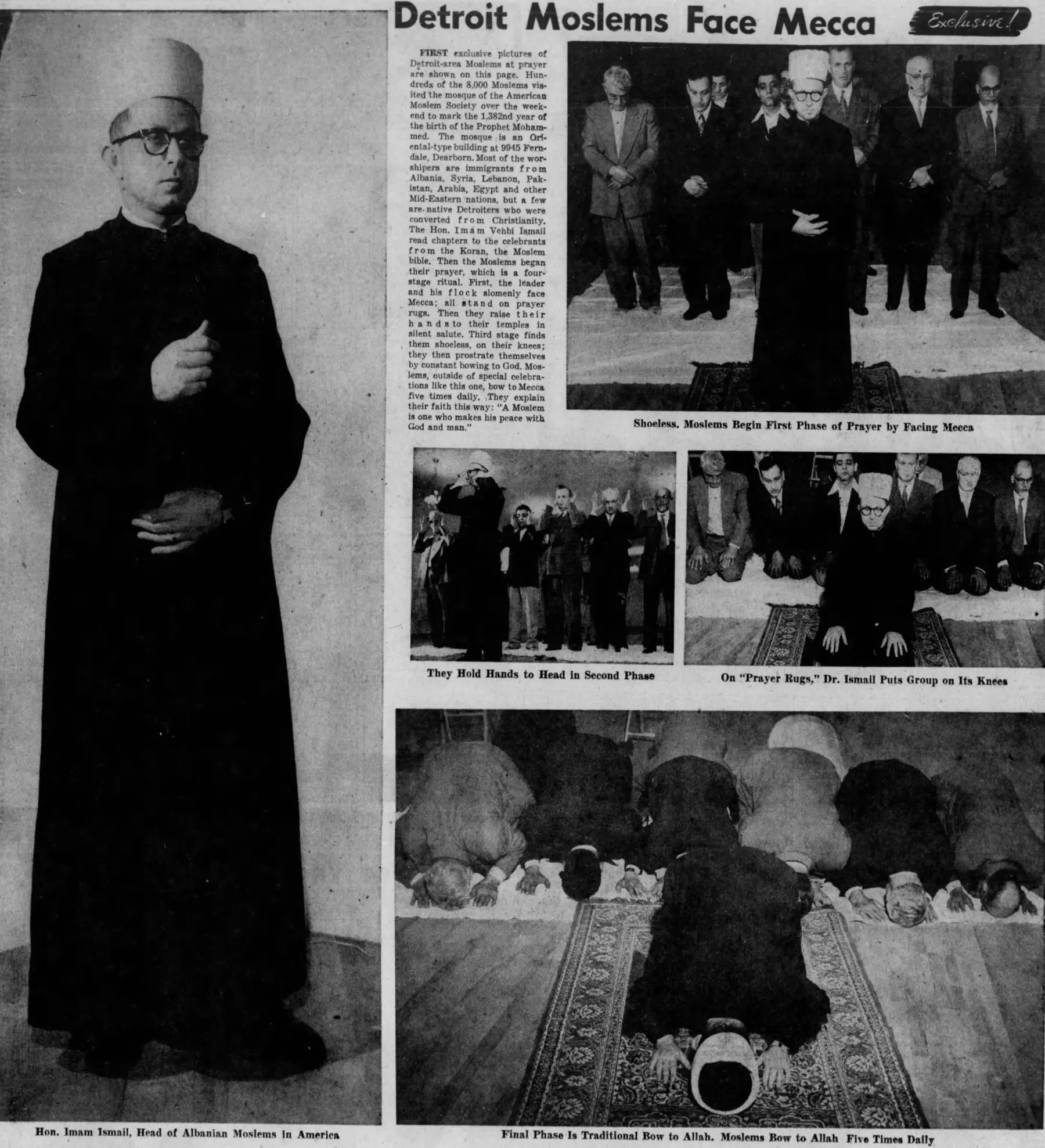
The scholar and imam arrived in 1949 and helped turn the Albanian Islamic Society into a durable religious, educational and publishing institution. The photograph is not a generic portrait: the original Detroit press page identifies Ismail and shows the wider congregation he served.
Dom Anton Kçira built a parish into a civic force
At St Paul, Kçira’s work connected parish growth with major humanitarian fundraising for Kosovo. The Congressional Record is ceremonial and remains attributed as such; the archival video lets readers see the person behind the formal tribute.
Baba Eliton Pashaj carries a 1954 institution forward
Baba Rexheb founded the Taylor teqe with local supporters in 1954. Its official site now names Baba Eliton Pashaj as chief cleric and frames language, youth leadership and social connection as part of the monastery’s living mission—not a museum piece.
Siola Hashorva is formalizing the business network
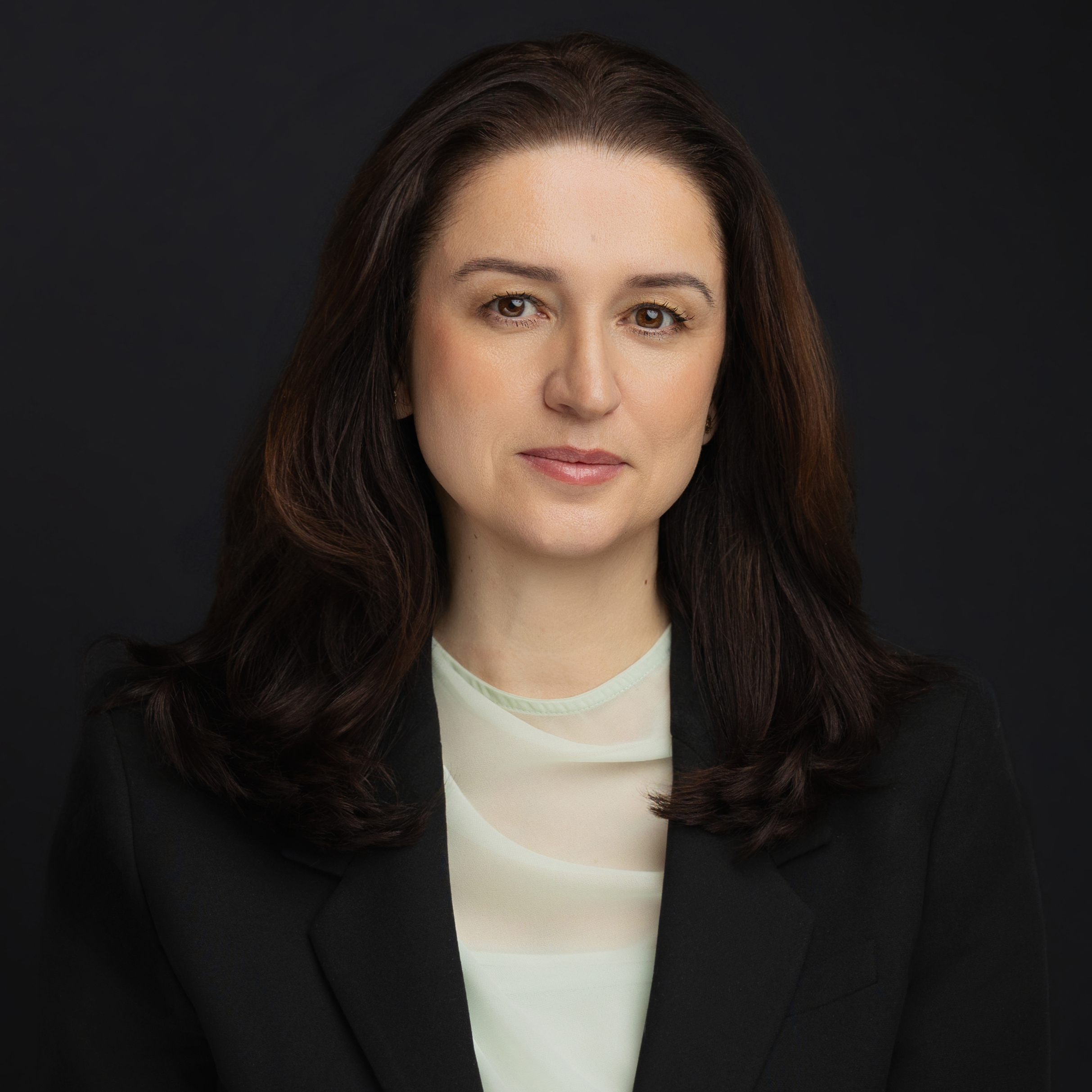
The Tirana- and Wayne State-educated business attorney chairs Michigan’s new Albanian American Chamber of Commerce. Its six-person founding board marks a shift from relationships carried privately toward a visible, governed professional institution.
How Detroit connects now
For most of the twentieth century, connection ran through a service, a school, a wedding, a restaurant counter, a soccer touchline or a scholarship dinner. Those rooms still do the irreplaceable work of community. But they do not form one neighborhood, and not everyone enters through faith, family or an existing circle.
Today the network has two layers. The physical layer gives Detroit its memory and places: the institutions and programs in the directory above. The digital layer makes the distance between Sterling Heights, Southfield, Tirana, Prishtina, Ulcinj and the rest of Albanian America less decisive. That is the role of dua here: an additional route into a dispersed diaspora, never a substitute for the people already doing the local work.
Open dua and meet the wider Albanian diaspora · Continue through Albanian America
Frequently asked questions
How many Albanians live in Detroit?
The best current estimate is 24,575 ±2,354 people reporting Albanian ancestry in Metro Detroit. Detroit city itself is 154 ±81. Use “Metro Detroit” for the larger community and do not add the two figures.
Where do most Albanians in Metro Detroit live?
Macomb County has the largest county estimate, led by Sterling Heights, Shelby Township, Macomb Township and Clinton Township. Oakland County adds Troy, Farmington Hills and Rochester Hills. Wayne County contains Westland and important institutions in Harper Woods and Taylor.
Is Sterling Heights “Little Albania”?
It is the strongest verified municipal concentration—3,804 ±740, or 2.85%—but the community is spread across several suburbs. Calling one city “Little Albania” can hide the institutions and families elsewhere.
Are Detroit’s Albanians mainly from Albania or Kosovo?
Both are important, alongside roots in Montenegro and North Macedonia. Statewide PUMS confirms multiple birthplaces but cannot provide a precise ethnic-origin ranking for the metro. Many residents are Michigan-born descendants and belong to no foreign-birthplace row.
Why are some community estimates much larger?
Organizations may include descent, mixed families, people who report another identity and residents outside the formal metro. Those can be meaningful constituency estimates, but without a reproducible method they are not interchangeable with ACS ancestry and are not published here as population facts.
What Albanian religious institutions are in Metro Detroit?
St Thomas Albanian Orthodox Church in Farmington Hills, the Albanian Islamic Center in Harper Woods, the Albanian-American Bektashi Teqe in Taylor, St Paul Albanian Catholic Church in Rochester Hills and Our Lady of Albanians in Southfield are the principal documented institutions in this guide.
Where can children learn Albanian?
AIC advertises language classes, and the Bektashi teqe has hosted an Albanian school. Parish and cultural programs can also carry language. Schedules change, so contact the institution directly rather than relying on an old calendar.
Do Michigan services offer Albanian language help?
Yes. Michigan Secretary of State branches offer interpretation for non-testing services and the driver knowledge exam in Albanian. The Office of Global Michigan explains free statewide language assistance and complaint routes.
Are trucking and restaurants really major Albanian industries?
They are visible and the statewide PUMS estimates show above-average shares, but the samples are small and apply to Michigan, not Detroit alone. They should be understood as labor-market signals, never as a description of every Albanian worker.
How can I meet other Albanians in Detroit?
Start with the institution, scholarship, campus, chamber and soccer links in the directory, then verify current events with organizers. dua.com adds a national and cross-border route, useful in a metro where the community is large but geographically dispersed.