Albanian Wuppertal has a history you can follow through a classroom, a former factory and a rehearsal room. Albanian teaching was already established here in the 1980s; in July 1990, the city received people who had reached the West through the German embassy in Tirana. Today, dancers, writers, apprentices and footballers are making their own place in the valley. This guide follows that local story, explains what the available population figures can tell us, and offers practical ways to learn, participate and meet other Albanians.
On 19 July 1990, Wuppertal's newspaper chronicle recorded the arrival of 80 Albanians who had reached the West through the German embassy in Tirana. Their first accommodation was a former factory on Uellendahler Straße. The city archive's entry is brief: a date, a number, a street. It places a moment in Albania's opening to the outside world inside the everyday geography of Wuppertal.
Thirty-five years later, a different local institution was celebrating another connection. Tool manufacturer KNIPEX congratulated apprentice Egzon Ademaj on his 2025 GCU award and singled out his role in founding the Albanian dance ensemble Kreshnikët. Between those two moments lies a change in the questions a community asks: where can we stay, where can our children learn, and what can we build here together?
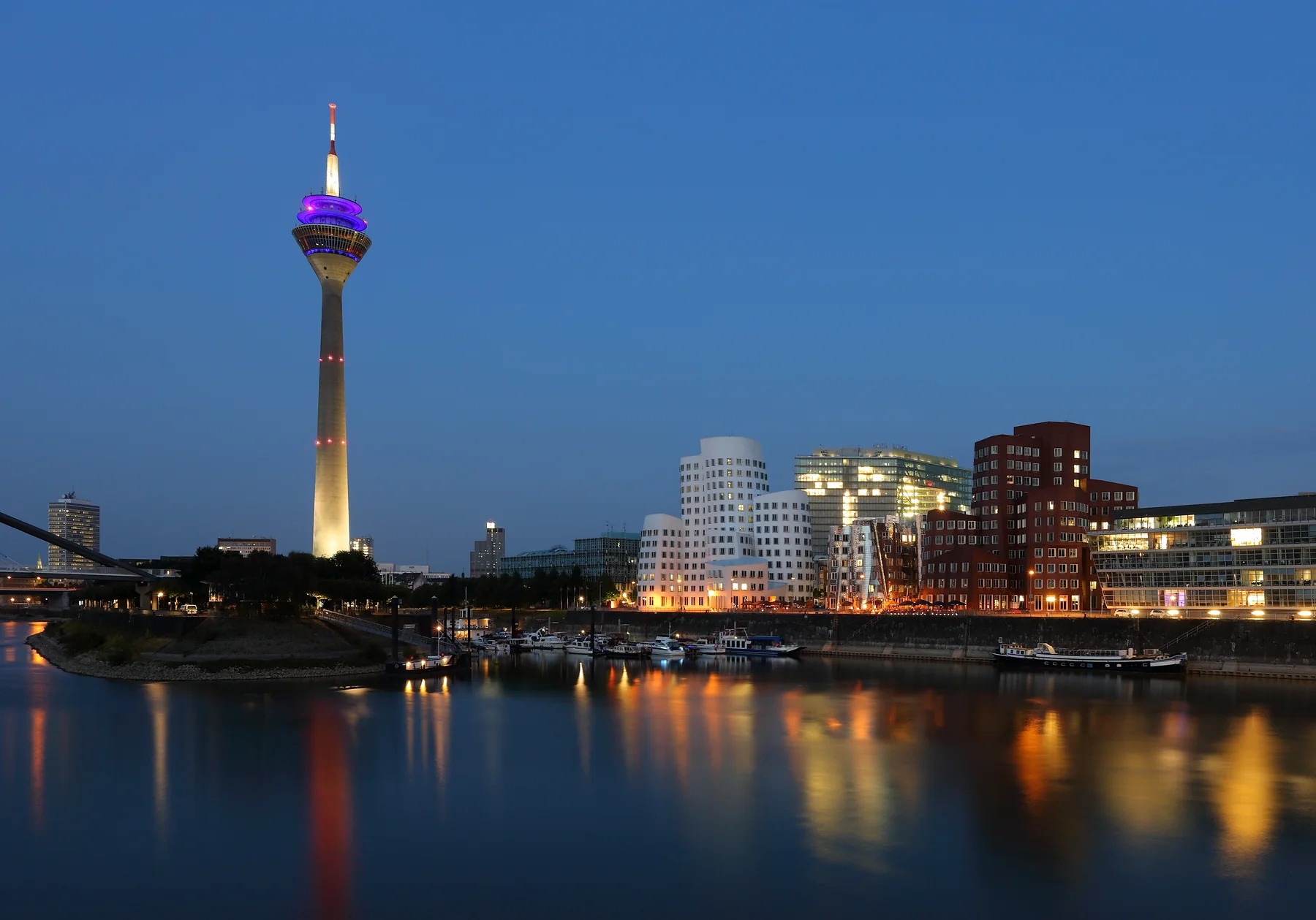
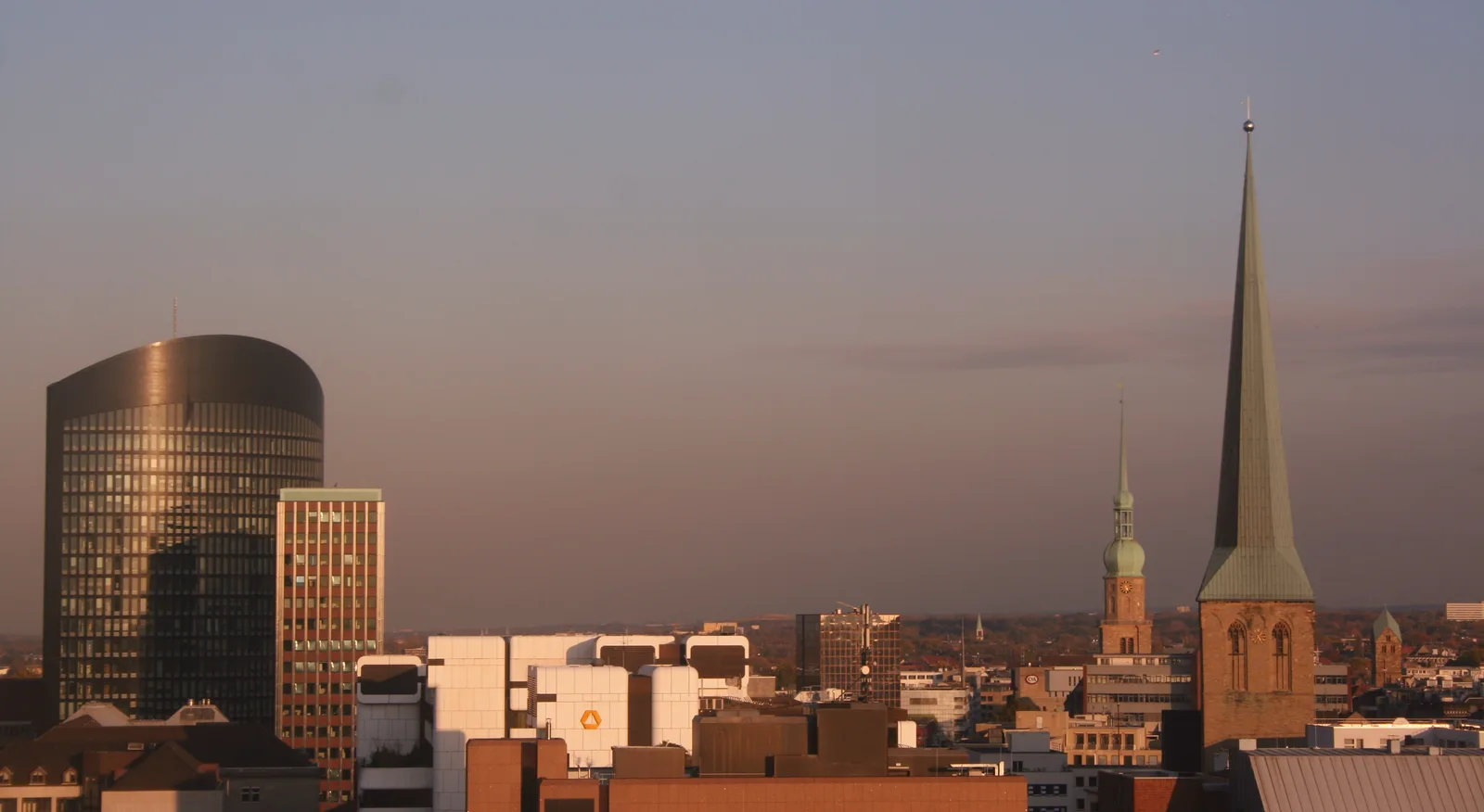
For more on this topic, read Albanians in Dortmund and Albanians in Düsseldorf.
Find your starting point in Wuppertal
If you are new to Albanian community life in Wuppertal, start with the activity that matters to you. A child's language class, a dance rehearsal and a first date have different purposes. The useful connection is the one you choose, with a clear next step.
- For children learning Albanian: the city's HSU service explains registration through their regular school.
- For dance and cultural participation: Ansambli Kreshnikët publishes its Wuppertal contact and rehearsal information.
- For settling in: the Haus der Integration and migration advice services help with practical questions.
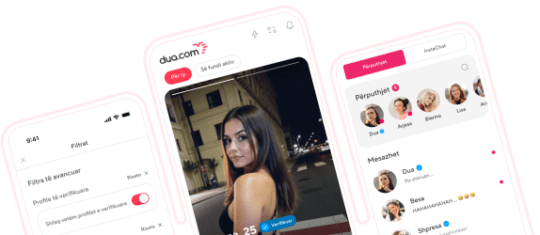
- For new adult connections: dua.com offers another way to meet Albanians and explore a serious relationship.
These are starting points, not a membership requirement for belonging. Someone who speaks Albanian fluently, understands more than they speak, or is rediscovering their family's language can approach community life differently. The guide keeps those possibilities open.
How many Albanians live in Wuppertal?
No verified citywide total for people of Albanian ethnicity or ancestry was established for this guide. Citizenship, language, family background and self-identification are different measures. The municipal material reviewed does not supply a current Albanian-ethnicity count, and adding everyone with citizenship from Albania, Kosovo and North Macedonia would not produce one.
There are two problems with that shortcut. People with Albanian family roots may be German citizens and therefore absent from a non-German citizenship table. At the same time, countries such as Kosovo and North Macedonia contain more than one ethnic community. Their nationality categories cannot be assigned wholesale to one identity.
Wuppertal's 2025 integration report offers a useful illustration across all origins. For 31 December 2023, it records 364,113 residents with their principal residence in the city. Of these, 162,180 had a migration background under the report's definition: 86,943 without German citizenship and 75,237 German citizens. A further 201,933 residents were counted without a migration background.

These are citywide categories, not Albanian figures. Their value here is explanatory: nearly half of the report's residents with a migration background were German citizens. Even a complete table of foreign citizenships would answer a narrower question than a family-history or identity survey. Dual nationals with German citizenship are counted as German in this report.
| Measure | What it describes | What it cannot establish here |
|---|---|---|
| Citizenship | A legal category on a specified date | The ethnicity of everybody in that row |
| Migration background | The report's wider citizenship and family-background definition | A Wuppertal Albanian total |
| Albanian language | Use or knowledge of a language, if separately surveyed | A count derived from passports |
| dua accounts | Registrations or activity within a platform dataset | The city's resident population |
The municipal 2025 neighbourhood workbook has a table for its seven largest listed nationality groups, but provides no separate Albania or Kosovo column. That absence means those figures cannot be read from this workbook; it does not mean that residents from those countries are absent. We also keep the 2023 population chart's reference date rather than combine its categories with a newer city total.
The video above contains broader community and app estimates. It is included as dua.com's city introduction, with its original language intact. Those estimates are not reproduced as verified statistics in this guide. The most reliable answer to “where can I find Albanian community life?” is therefore the documented institutions and contacts that follow.
A community across the valley
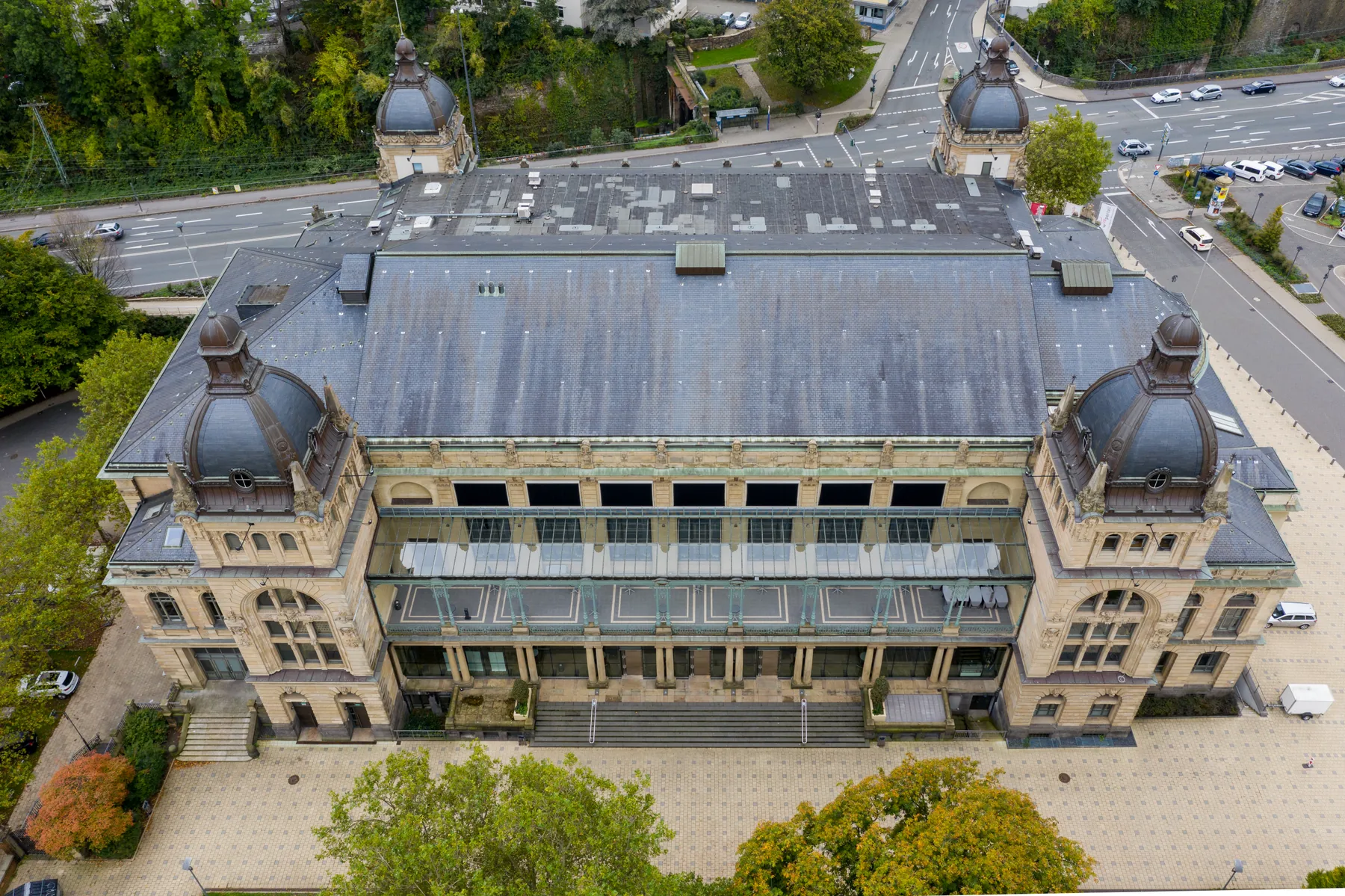
Wuppertal's useful community geography is a network of destinations. Kreshnikët gives Fuchsstraße 28 as its address; the city places its Haus der Integration at Friedrich-Engels-Allee 28; Wuppertaler SV's home is the Stadion am Zoo. Those addresses locate activities and services. They do not identify an “Albanian neighbourhood” or show where the most Albanian families live.

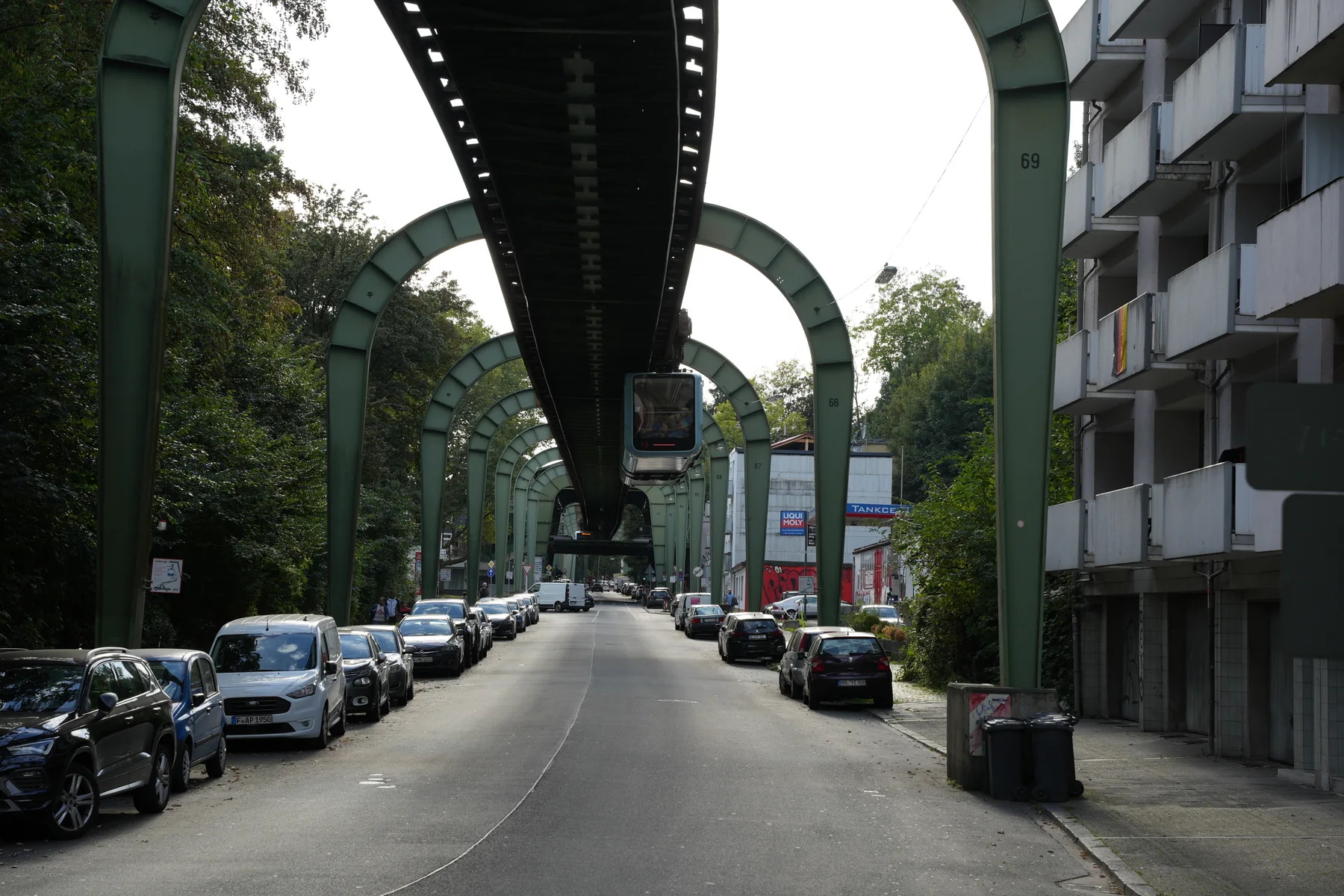
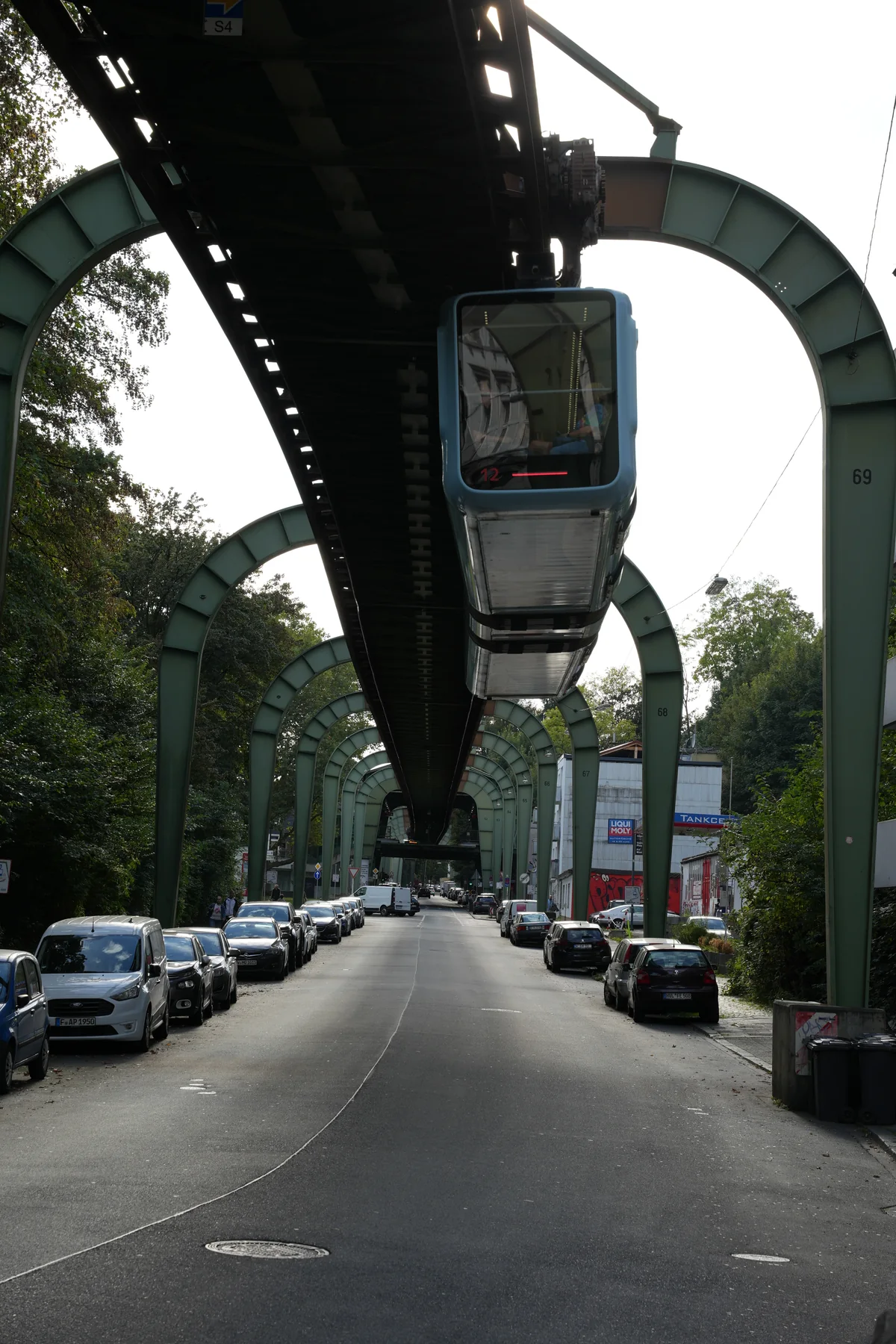
The valley itself helps explain everyday movement. The transport operator's Schwebebahn guide describes a line of about 13 kilometres and 20 stations between Vohwinkel and Oberbarmen. Elberfeld and Barmen are parts of the same city; a meeting across the valley can still involve a journey and an uphill walk at the end. Check the actual venue and current transport information before leaving.
Remscheid and Solingen are separate cities. They belong to the wider Bergisches Land setting, but their residents are not Wuppertal residents. Düsseldorf, Essen and Dortmund are also separate community destinations. A teacher may work in more than one city and an ensemble may perform throughout NRW without turning all of those places into one population count.
For readers exploring beyond Wuppertal, our guides to Albanians in Düsseldorf, Essen and Dortmund describe their own institutions. Use those connections when an event or service suits you; keep the city boundary when interpreting a statistic.
From Albanian lessons to a first address in 1990
There is no single arrival date for Albanian Wuppertal. The strongest local evidence points to several overlapping histories: teaching families already here, receiving people leaving Albania, and later building cultural and civic institutions. A timeline can show those documented moments without pretending to cover every family.
Before 1990: a language class already existed
A teacher-training handbook published by Zurich University of Teacher Education introduces Sami Thaçi as an Albanian heritage-language teacher in Wuppertal and Remscheid since 1987. This is unusually useful evidence. It places organised Albanian teaching here before the Tirana embassy arrivals and before the Kosovo war, while clearly naming two different cities.
The broader German background includes the 1968 recruitment agreement with Yugoslavia. Some Albanian-speaking migrants travelled with Yugoslav citizenship, so older nationality records cannot be read as present-day ethnic categories. That national history provides context; it is not proof that every Wuppertal family arrived through labour recruitment or worked in the same industry.
July 1990: Uellendahler Straße
The city archive records the group of 80 arriving through the embassy route in 1990 and their temporary accommodation in a former factory. It does not say that these were Wuppertal's first Albanians, nor that all 80 remained permanently. The earlier teaching record makes the first claim particularly untenable. What the entry does establish is a specific local response to a specific movement out of Albania.
That distinction matters when telling migration history. A room used for first accommodation is one stage in a life, not its whole outcome. Work, school, family and later decisions can lead people to stay, move elsewhere or return. The archive does not follow those individual journeys, and this guide does not invent them.

A city history that continues after arrival
Later dates describe participation. Pal Sokoli's own bibliography records the presentation of his first poetry collection in Wuppertal on 6 May 2006. In November 2023, the city welcomed newly naturalised citizens whose countries of origin included Albania and Kosovo. In 2025, KNIPEX recognised a young colleague's cultural volunteering; in August 2026, WSV promoted a Kosovo youth international from its academy into its senior squad.
These are different kinds of event. A literary launch, a citizenship ceremony and a football promotion cannot be combined into a population trend. Together, however, they make the local story more concrete than a general account of “the Albanian diaspora in Germany”. They show the places where that history becomes visible.
Albanian lessons: how Wuppertal's HSU works
Albanian is one of the languages in Wuppertal's official heritage-language programme, HSU. The city's Herkunftssprachlicher Unterricht information describes free supplementary teaching for pupils in primary school and lower secondary education who grow up with German and another language. Pupils must live in Wuppertal or attend a school in the city.
HSU is additional teaching alongside a child's regular school education. It is not a separate full-time Albanian school. The city says lessons usually take place on one afternoon a week, with three to five teaching periods. The assigned teacher communicates the actual venue and timetable after registration; this guide does not present an older classroom list as the current schedule.

Start with the child's regular school
The practical route is straightforward: use the city's current application information, ask the child's regular school to complete its part, and wait for the HSU allocation. The registration form needs the school's stamp and signature. Because admissions information changes by school year, check the year shown on the live city page and ask about the process for joining during a school year.
For questions, the city publishes [email protected]. Families can ask about eligibility, the registration year and the next step without assuming that a historic venue or an informal social-media timetable is still in use. That small check can save a journey to the wrong school.
The language children hear and the language they can write
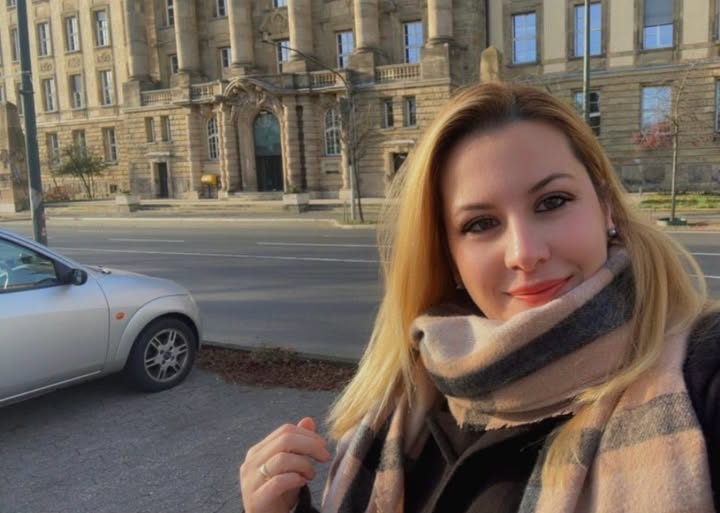
In a September 2026 interview with Sokol Paja, teacher Blerina Kosta places her work in the continuity of Sami Thaçi and Kaltrina Shabani. She describes pupils with different strengths: some speak Albanian comfortably but find reading or writing harder; others understand it yet answer more readily in German. Her account gives the classroom a human scale without supplying a citywide language count.
The NRW education ministry describes HSU as developing the heritage language and intercultural skills. For a family, that can mean being able to read a story as well as understand a conversation, or write to a relative as well as send a voice message. A child's confidence is a better starting point than treating imperfect Albanian as a personal failure.
Parents can make the first conversation with the teacher specific: what does the child understand, what can they read, and which language do they choose when responding? Bring those observations rather than a verdict that they “know” or “do not know” Albanian. Learning is allowed to begin in the middle.
Kreshnikët: culture with a rehearsal address
Ansambli Kreshnikët is a documented Albanian cultural and dance organisation in Wuppertal. Its own website describes work with traditional dance, music and costume, gives its address as Fuchsstraße 28, 42285 Wuppertal, and invites people to make contact. The site lists Tuesday and Sunday rehearsals; confirm the current time, venue and suitable group before attending.
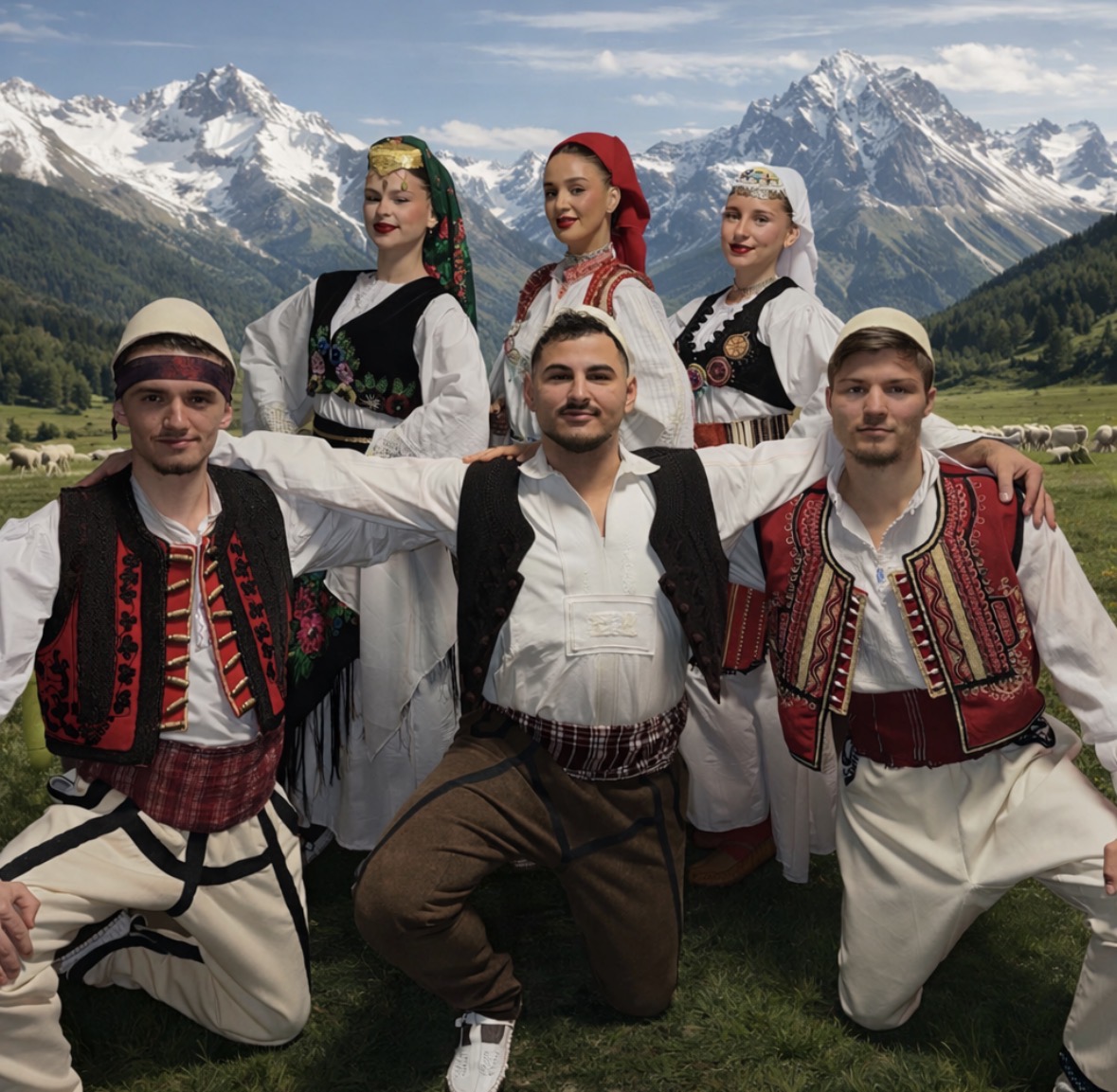
A rehearsal offers something a performance alone cannot: repetition. Steps have to be learned, timing has to be shared, and somebody has to organise the next meeting. For someone looking for a practical way into cultural life, that regular activity may matter more than watching a polished stage appearance once a year.
There is also a documented connection to Wuppertal's working life. In its announcement about the 14 November 2025 GCU award, KNIPEX described founder Egzon Ademaj as an apprentice who supported newer trainees and took responsibility in the company's junior enterprise. The employer also highlighted his work establishing the Albanian dance association. Those are attributed details from a named local employer, not an imagined profile of a typical Albanian worker.
Watch the steps, meet the ensemble
These two short clips come directly from Kreshnikët’s website. Watch the shared steps, costumes and timing that turn a rehearsal into a performance. The source does not name the venues or filming dates; they show the Wuppertal-based ensemble’s work, without identifying the celebrations as Wuppertal events.
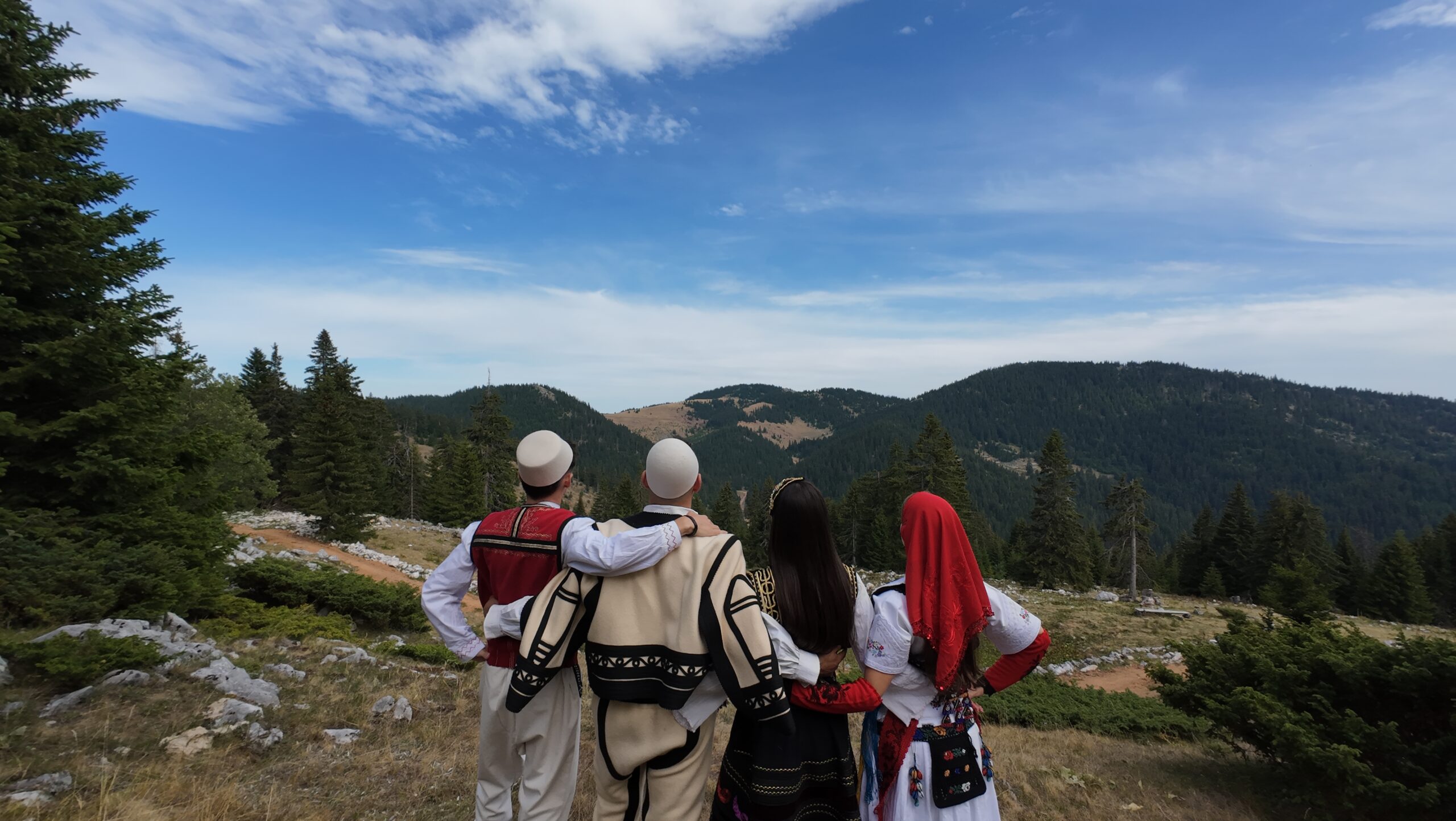
For readers interested in joining, ask what participation looks like: whether beginners are welcome, which age group fits, what commitment rehearsals require and whether costume or performance costs apply. The published contact is a route to those answers; the existence of a website is not a promise that every session accepts drop-ins.
People can support cultural work in more than one way. Some want to dance; others can help with organising, documenting an event or simply bringing a friend to watch. Let the organisation explain what it currently needs. An invitation to participate works best when it respects the people doing the volunteering.
Pal Sokoli and the Albanian word in Wuppertal
Poet Pal Sokoli identifies Wuppertal as the city where he lives and works. His own bilingual bibliography traces a life from the Gjakova area and studies in Prishtina to Germany from 1994. It records the Wuppertal presentation of his first collection, Kambanë e pëlcitur dhembja, in May 2006, and links his literary activity with the city's Else-Lasker-Schüler society.
The connection broadens what “Albanian culture” can mean locally. Dance is visible and collective; writing may travel through a book, a translation or a small reading. A poet working in Wuppertal belongs to the city's cultural life even when the text reaches readers across national borders.
Sokoli's bibliography includes work appearing in Albanian, German and other languages. A reader does not need perfect command of every language to begin: the author's site provides titles and publication details from which to explore. This guide links to that living bibliography rather than announcing a reading that has not been verified or treating an old book launch as an upcoming event.
For families bringing up children with more than one language, literature offers a different invitation from a lesson. A short poem, an author whose city is familiar, or a conversation about a book can make Albanian feel like a language used to create something now. The local connection gives the first page a place to stand.
Football: a WSV pathway with a Kosovo connection
Wuppertaler SV announced Arlind Bajrami's promotion to its Oberliga squad on 25 August 2026. In the club's own account, the 18-year-old had progressed through its U17 and U19 teams and had represented Kosovo at youth international level. The announcement describes a left-footed player able to operate across the left side.
This is a precise local football link: a player in Wuppertal's academy and senior pathway, with Kosovo national-team experience. It does not establish his ethnicity, birthplace or family story. It also does not turn WSV into an Albanian club. Keeping those distinctions leaves the achievement clear.
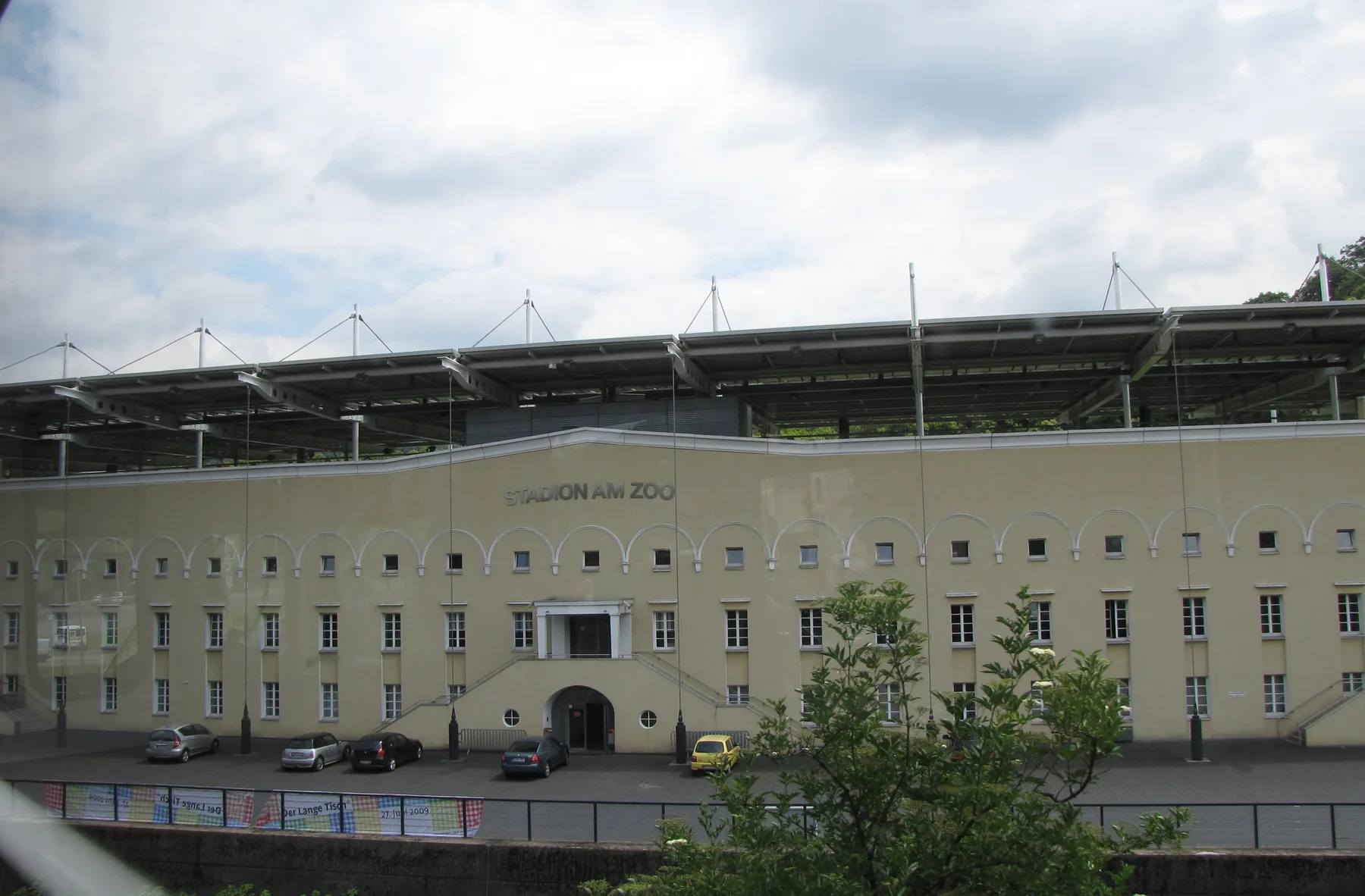
For a young player or parent, the useful part of the story is that community connections can run through the city's established clubs. Consult WSV's current club and academy information for contacts and programmes; a player's promotion is not an open-trial announcement. Training opportunities and match arrangements need their own current confirmation.
For supporters, football is another way to share the city. Attend because you enjoy the match, the team or the company. There is no need to assign an ethnic identity to everyone on the terrace to recognise that people with different family histories can care about the same local side.
Becoming German, remaining connected
On 22 November 2023, Wuppertal welcomed 30 newly naturalised citizens at the town hall in Barmen. The city's report lists Albania and Kosovo among several countries of origin represented. Thirty is the total for that ceremony across all listed origins, not an Albanian count.
The ceremony helps explain a statistical limit in ordinary terms. A person can acquire German citizenship while retaining family ties, a language and memories connected to Albania or Kosovo. A table of residents without German citizenship will no longer describe that person in the same way. A change in the table is not automatically the disappearance of a community.

Civic participation also has a younger face. In an April 2026 report by the Protestant church district, a pupil named Marino, whose parents came from Albania, takes part in Wuppertal's Krawatte democracy project. The account describes young people talking with residents about rights and respect on the Barmen town-hall square. It is a documented example of involvement in the wider city, not a claim about the politics of Albanian residents generally.
The point of including such stories is not to demand proof that someone belongs. It is to show the range of ordinary participation that a country-of-origin table cannot capture: making a programme, representing fellow pupils, writing a poem or turning up to a rehearsal.
Practical help, work and everyday life
The Haus der Integration is Wuppertal's central starting point for migration and integration services. The city's integration portal brings together information about residence, education, employment, language learning and local advice. It serves residents across backgrounds; it is not an Albanian association or a substitute for the right specialist appointment.
For adult migrants, AWO's local advice service gives its address as Saarbrücker Straße 40 and publishes help with matters including education, language courses, public authorities and work. Younger people can use the Jugendmigrationsdienst Wuppertal, which describes support for linguistic, educational, social and vocational integration up to age 27. Ask about appointments and available languages before visiting; this guide does not promise Albanian-speaking staff.
KNIPEX's account of Egzon Ademaj is one verified example of an apprenticeship and volunteering meeting in the same life. It should not be stretched into a claim about the jobs most Albanians hold, how many Albanian businesses exist, or how much they contribute to the local economy. No reliable Wuppertal-specific figures for those questions were established for this guide.
If your next step is employment or training, use the city's service to reach the appropriate adviser and prepare the questions that matter to your own situation: qualifications, language support, application documents or a change of occupation. A community contact can encourage you; a named service can clarify a process. Both can be useful without doing the same job.
Faith and finding the right welcome
Albanian identity does not specify someone's faith or level of religious practice. We did not establish a currently verified, specifically Albanian-language congregation inside Wuppertal for this edition. That is a limit of the directory, not evidence that religious Albanian residents or informal groups are absent. If language is important for a service, ask the congregation directly rather than assume a general local mosque or church is Albanian-speaking.
The city's civic and cultural routes remain available whether religion is central to your life or not. This guide's practical directory prioritises contacts whose local function could be checked.
Places to spend time together
A new connection also needs somewhere ordinary to meet. Wuppertal offers public places that work without an organised community event: the city centres, the suspension railway and the Nordbahntrasse. These are shared city spaces, not claimed Albanian meeting spots.
The city describes the Nordbahntrasse as a former railway converted into a walking, cycling and skating route, with viaducts, tunnels and places to pause. Choose a specific, convenient meeting point and check access information, particularly if someone has mobility needs. A short walk and a coffee can be enough for a first conversation; an entire route is not a requirement.
For a visitor, the Schwebebahn makes the valley easier to picture. For somebody who lives here, a familiar stop can make a plan simple: agree where to meet and where you want to go. The best venue is one both people are comfortable with, at a time that suits their actual routines.
Meeting Albanians and finding a serious relationship
dua.com gives adults another way to meet Albanians in Wuppertal and beyond. Community activities can introduce you to people through a shared interest; the app creates space to be clearer about wanting a new connection or a serious relationship. For someone looking for a soulmate, shared roots can be a starting point for a conversation about the life they want to build.
That conversation can be specific. Do you want to stay in Wuppertal? How do you use Albanian and German in everyday life? What do partnership, family and independence mean to each of you? Familiar cultural references may make an introduction easier, but they do not answer those questions on another person's behalf.
You do not need to perform a perfect version of Albanian identity to meet someone. Be honest about your language, interests and intentions. Someone who shares a joke, understands a family reference or enjoys the same part of city life may become a friend, a date or a lasting partner. Finding out takes mutual interest, time and respect.
The supplied video mentions a Wuppertal dua-user figure, but this edition has no separately verified, dated local account dataset. We therefore publish no city membership count or promise about how many people are nearby. The invitation is to start your own conversation on dua.com, with clear intentions and room for another person's story.
Wuppertal's documented Albanian history is already long enough to contain several beginnings: the first school lesson in a new system, the first address after departure, the first book presentation, the first rehearsal and the first senior-team appearance. A new connection belongs at a smaller scale. It begins with two people deciding to find out more about each other.
Directory: useful Wuppertal contacts
Checked on 1 October 2026. These links lead to the organisations' own information or official municipal services. Confirm appointments, admissions and rehearsal arrangements directly; historic events above are not recurring listings.
- Albanian heritage-language teaching (HSU): City of Wuppertal registration and information; [email protected]. Start with the child's regular school; the teacher confirms the classroom.
- Ansambli Kreshnikët: dance, music and cultural participation; Fuchsstraße 28, 42285 Wuppertal. Use the ensemble's published contact before attending.
- Pal Sokoli: author's bilingual bibliography and publications. A literary resource, not a public drop-in venue.
- Haus der Integration: municipal integration portal; Friedrich-Engels-Allee 28, 42103 Wuppertal. Check which service and appointment you need.
- AWO migration advice: adult advice service; Saarbrücker Straße 40, 42289 Wuppertal; telephone 0202 31753-16 / -17.
- Jugendmigrationsdienst: Wuppertal youth migration service; education, language and vocational guidance for young migrants up to age 27.
- Wuppertaler SV: club, academy and match information. A city football club with the documented Bajrami connection described above.
- Getting around and meeting: Schwebebahn information in English and the city's Nordbahntrasse guide.
For the wider picture, continue to Albanians in Germany or explore the Albanian community hub. Each city guide keeps its own sources and boundaries.
Frequently asked questions about Albanians in Wuppertal
How large is Wuppertal’s Albanian community?
No verified citywide ethnic-Albanian or Albanian-ancestry total was established for this guide. A citizenship row, a language survey and family identity measure different things. People with Albanian roots may be German citizens, while Kosovo and North Macedonia include several ethnic communities. The guide therefore does not turn passport sums or video estimates into an ethnic headcount.
Can children learn Albanian in Wuppertal?
Yes. Albanian is listed in Wuppertal’s free supplementary heritage-language teaching programme, HSU, for eligible primary and lower secondary pupils who live in the city or attend a Wuppertal school. Apply through the child’s regular school using the city’s current information. The assigned teacher confirms the classroom and timetable; an older school list should not be assumed current.
How far back does Albanian teaching in Wuppertal go?
A Zurich University of Teacher Education handbook documents Sami Thaçi teaching Albanian heritage language in Wuppertal, Remscheid and other communities from 1987. This is evidence of an organised educational history, not the arrival date of every Albanian family. A September 2026 interview with teacher Blerina Kosta describes the continuity of that work.
What is Ansambli Kreshnikët?
Kreshnikët is an Albanian cultural and dance ensemble based in Wuppertal. Its own website describes traditional dance, music and costume work, lists Fuchsstraße 28 as its address and publishes rehearsal information. Contact the ensemble to confirm the current group, time, venue and participation arrangements before attending. Its activity is not a count of the city’s Albanian residents.
What happened in Wuppertal in July 1990?
The city archive’s newspaper chronicle records that on 19 July 1990, 80 Albanians who had reached the West through the German embassy in Tirana found initial accommodation in a former factory on Uellendahler Straße. The entry does not establish that they were the city’s first Albanians or that every person settled permanently in Wuppertal.
Is there a local football connection to Kosovo?
Yes. Wuppertaler SV announced on 25 August 2026 that Arlind Bajrami was joining its senior Oberliga squad after progressing through its U17 and U19 teams. The club states that he has played for Kosovo youth national teams. That is a verified sporting connection; it does not establish his ethnicity or make WSV an Albanian-only club.
Where can newcomers find practical help?
Wuppertal’s integration portal and Haus der Integration are useful official starting points for education, work, language and migration-service information. AWO provides local migration advice for adults, and the Jugendmigrationsdienst supports young migrants up to age 27. Check the appropriate service, available languages and appointment arrangements before visiting. These services work across community backgrounds.
How can I meet Albanians in Wuppertal for a serious relationship?
Community activities can introduce you to people with shared interests; dua.com gives adults another way to make new connections and be clear about wanting a serious relationship. A shared language or family reference can start the conversation, while personal values and mutual interest determine where it goes. This guide publishes no unverified Wuppertal app-user count or guarantee of a match.