More than 100,000 people in Austria have Albanian roots — and Austria has been recruiting them for longer than Germany has. The agreement that brought the first of them was signed in Vienna in November 1965, three years before West Germany signed its own. Sixty years later, the community is one of the most settled in the country and one of the least likely to hold an Austrian passport.
That contradiction is this page. Austria opened its labour market to the Albanian-speaking world early and has never reopened the second door since it closed it. Two rules do the work: since 1965 Austria has required new citizens to surrender the passport they were born with — Germany and Switzerland no longer do — and since a 2006 reform the volume of naturalisations has never recovered. In Vienna, where the community is largest, more than one adult in three cannot vote in the city they live in.
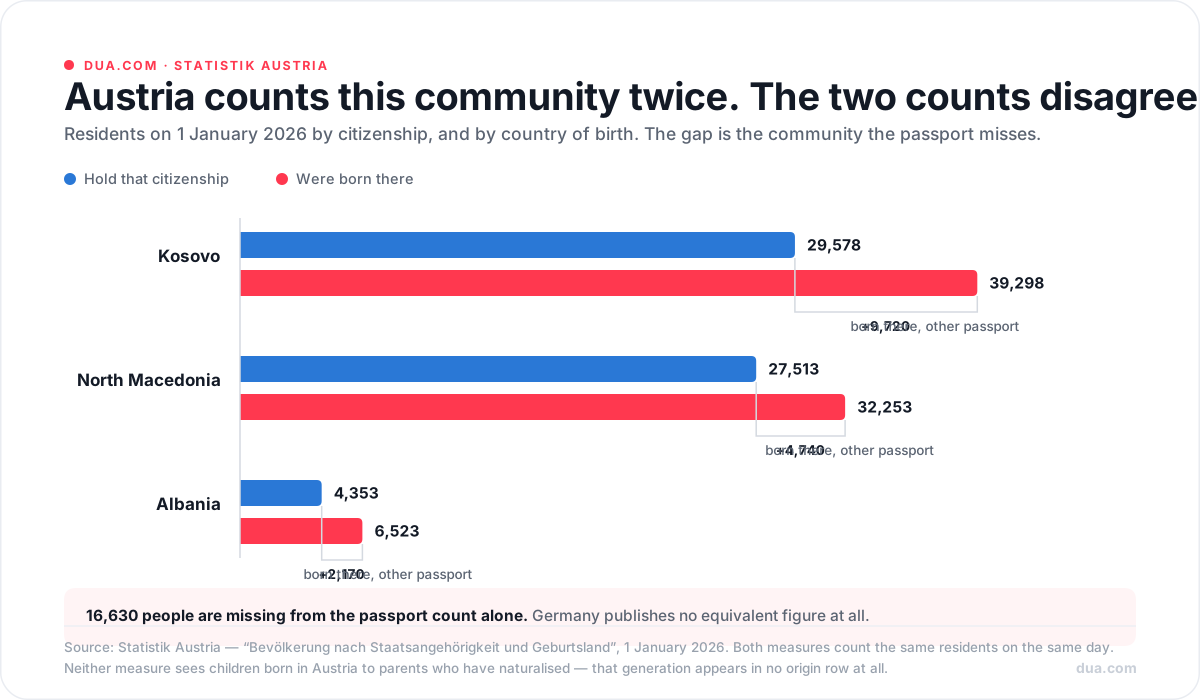
Austria also lets you see this unusually clearly. Its statisticians publish two counts of the same people on the same day: how many hold a given citizenship, and how many were born in a given country — both from the population register, both annually, both back to 2002. Germany’s equivalent origin data comes from the sample-based Microcensus instead. The gap between Austria’s two numbers is the part of the community the passport misses, and it is measured rather than modelled.
For more on this topic, read Albanians in Germany: A Million-Strong Community and Albanians in Vienna: Population, History and Community.
How do Albanians in Austria connect today?
For the first generations, community was built through family, work, football clubs, cultural associations, cafés and weddings — and through introductions from someone who always seemed to know someone. A lot of that still exists. But the map has changed.
Perhaps your family is from Kosovo and you grew up in Vienna. Your cousin is in Munich, your best friend moved to Zurich, and the person who understands your mix of Albanian roots and German-speaking everyday life might live in Linz rather than three streets away.
dua.com, the world’s largest Albanian dating and matchmaking platform, was built for that map: Albanians meeting across cities and countries. In Austria, the search for someone who shares your language, roots or values does not have to stop at your neighbourhood — or at the Austrian border.
dua.com’s own data offers a narrower view: what its members in Austria do on the platform, and what they say they are looking for.

What dua.com’s community data shows
The following insights are based on aggregated and anonymised activity from verified dua.com users across Austria. They describe members and activity on the platform, not Austria’s Albanian population, and should not be interpreted as official demographic statistics.
Editorial snapshot: 17 September 2026. Daily figures are averages over the source workbook’s 118-day activity period; 735 is the reported monthly-active-user (MAU) figure, not a daily total. The reviewed brief does not give the period’s start and end dates.
Source: dua.com aggregate platform data, reviewed Austria community brief.
Connecting Austria with the wider Albanian diaspora
Activity on dua.com reflects connections that extend across Austria and beyond. In the reviewed data, the most frequently selected Fly destinations for members in Austria are Pristina, Vienna and Linz. Fly destinations are locations selected within the app, not confirmed travel or migration activity.
Two of the three are Austrian cities; the third is Kosovo’s capital. The data shows which places members selected, not why they selected them.
Evidence last reviewed: 1 August 2026. Throughout this page, we distinguish official statistics from dua.com’s own platform data, our estimates and our editorial interpretation.
How many Albanians live in Austria?
More than 100,000 people — of whom about 75,000 are directly visible in official tables. Austria, like Germany, does not record ethnicity. But it records two things instead of one, and that changes what can be known.
On 1 January 2026, 78,074 people living in Austria had been born in Kosovo, North Macedonia or Albania. On the same day, only 61,444 held one of those three citizenships. The 16,630-person difference is not a rounding error or a rival estimate: it is the same population counted two ways, and the gap is made of people who were born there and have since become Austrian — or who never held the passport of the country they were born in.
Building the estimate
Birthplace is the better foundation, because it counts the first generation whatever passport they now carry. Kosovo contributes 39,298 and Albania 6,523 directly. North Macedonia needs the one coefficient this page uses: its 2021 census found that 66.36 percent of the country’s registered nonresident population identified as Albanian, so the 32,253 North Macedonia-born residents contribute approximately 21,403.
Then there is the second generation that birthplace cannot see: children born in Austria who still hold a Kosovar, Albanian or North Macedonian passport rather than an Austrian one. Austria publishes the national figure — 288,698 people born in Austria hold a foreign citizenship, 15.4 percent of all foreign nationals — and applying that share to the three citizenship rows adds approximately 8,000 more.

| Track | Official starting point | How it is treated | Contribution |
|---|---|---|---|
| Born in Kosovo | 39,298 residents born in Kosovo | Complete row; counts the first generation regardless of passport | 39,298 |
| Born in North Macedonia | 32,253 residents born in North Macedonia | Weighted by the 66.36% Albanian share among that country’s registered nonresidents | ≈ 21,403 |
| Born in Albania | 6,523 residents born in Albania | Complete row | 6,523 |
| Born in Austria, foreign passport | 15.4% of all foreign nationals in Austria were born in Austria | Share applied to the three citizenship rows (weighted for North Macedonia) | ≈ 8,037 |
| Visible baseline | No uplift, no invented values for other routes | What the two official measures can show together | ≈ 75,000 |
The two measures overlap imperfectly — someone born in Kosovo may hold Serbian citizenship, and the second-generation share is a national average applied to three specific groups. This is an order-of-magnitude model, not a count of unique individuals.
What lies beyond the 75,000 is a list of named, documented gaps rather than speculation: Albanians from the Preševo Valley counted inside Austria’s 141,785 Serbia-born residents; Albanians from Montenegro; families who naturalised and whose Austrian-born children appear in no origin row at all. Every one of those is opened up and bounded in the full ledger at the end of this page.
Sixty years: the agreement, the factories, the war
Austria’s Albanian story begins with a signature, and the date is usually printed wrong. The Agreement between the Republic of Austria and the Socialist Federal Republic of Yugoslavia on the employment of Yugoslav workers in Austria was signed in Vienna on 19 November 1965 — signed for Austria by Bruno Kreisky. The commonly cited “4 April 1966” is simply the day it appeared in the Federal Law Gazette. Either way, Austria was ahead of its neighbour: West Germany’s equivalent Yugoslav agreement came in October 1968.
The treaty was unusually explicit about money going home. Article 13 guaranteed Yugoslav workers the right to transfer their surplus Austrian earnings “in free schillings or other freely convertible currency” — remittances written into international law from the first day. Recruitment itself was run by a standing bilateral commission of at most three members per side, which decided who came.
The numbers moved fast. Foreign employment in Austria rose from about 17,700 in 1962 to roughly 250,000 at the 1973 peak, and Yugoslav citizens made up 78.5 percent of that total. Among them, invisibly, were Albanians from Kosovo and western North Macedonia. No Austrian record of the era distinguished them — but the scholarship identifies them by a distinctive signature: the near-total absence of women. Kosovo-Albanian labour migration in this period was overwhelmingly male and expected to be temporary.
It was not temporary. After the 1974 recruitment stop, the men who stayed brought wives and children, and a rotating workforce became a resident community. That is the same arc as Germany’s — but Austria’s began first, which is why the third generation here is now genuinely adult.
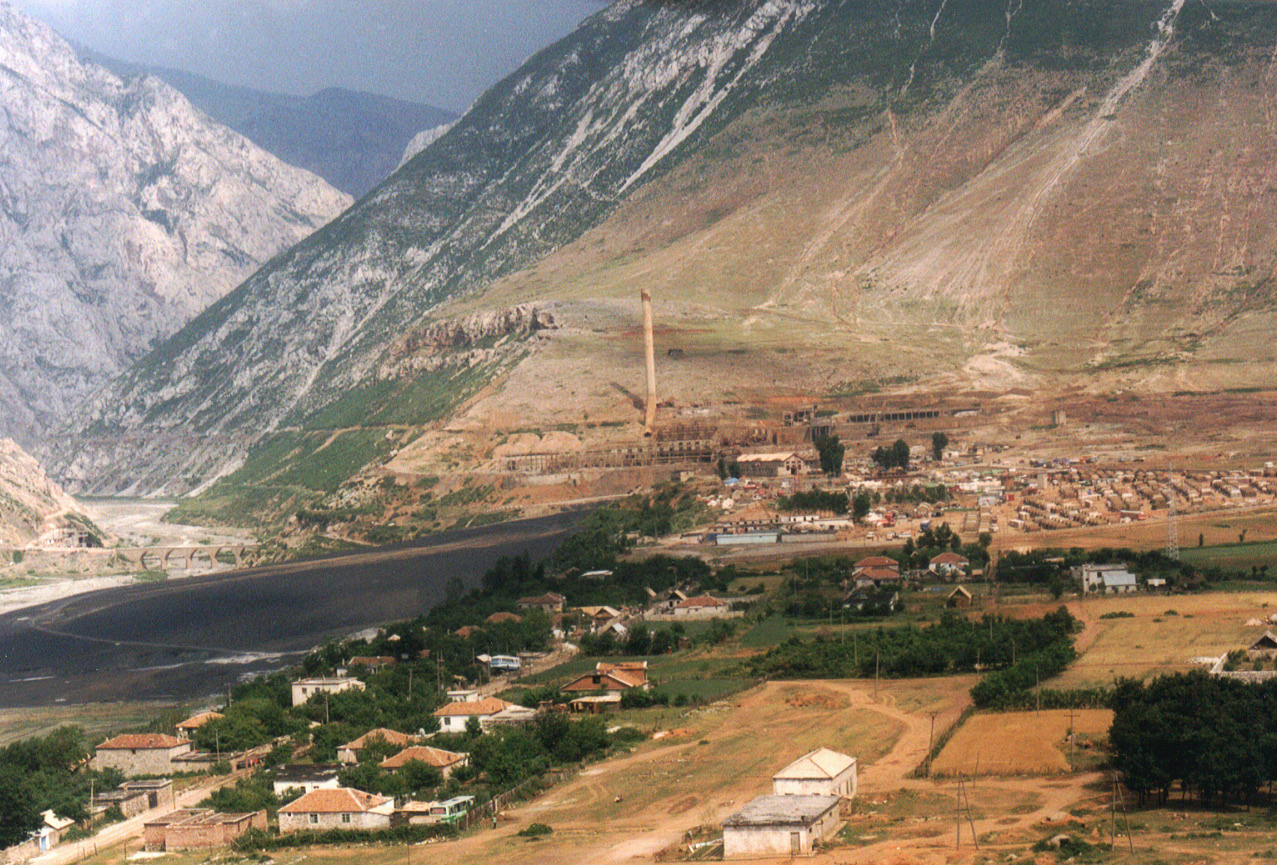
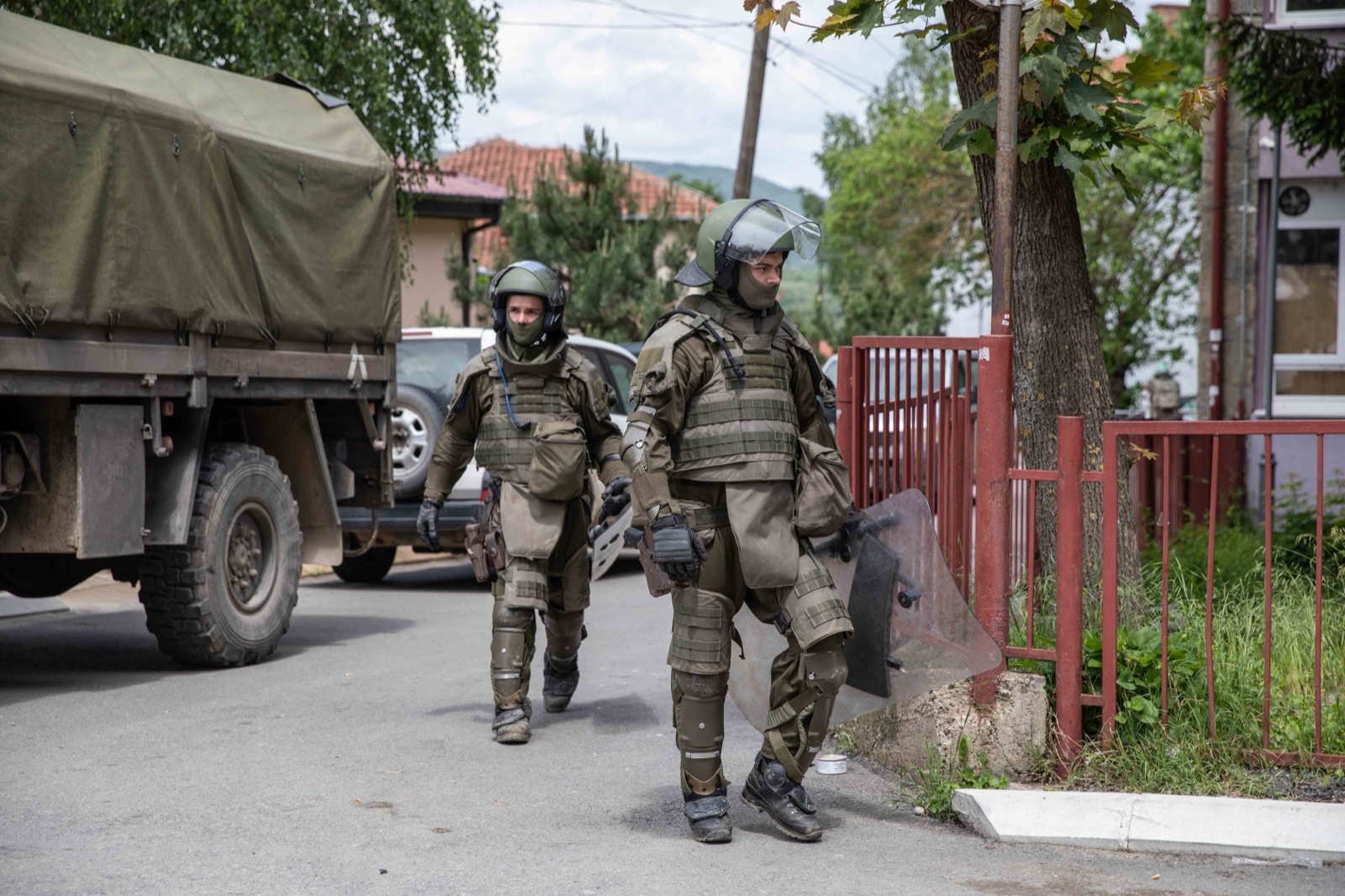
1999: an evacuation built on the guest workers
The Kosovo war produced the community’s second defining moment, and Austria’s version of it has a detail that no other country’s does. In 1998 and 1999 together, more than 13,000 Yugoslav citizens — for the most part Kosovars — applied for asylum in Austria, and 2,953 were granted refugee status. Alongside that, Austria ran an evacuation: 5,123 Kosovo Albanians were flown out of camps in Macedonia, with a further 127 admitted via the Austrian Embassy in Tirana.
The selection criterion, as the Interior Ministry later told Parliament, was family ties to Kosovo Albanians already living in Austria as guest workers, refugees or asylum seekers. In other words: the 1999 rescue ran along the family lines laid down by the 1965 agreement. The men recruited into Austrian factories in the late 1960s were, three decades later, the reason their relatives could be evacuated from a war. The programme peaked at 5,046 people in care on 3 June 1999; by April 2000 only 1,227 remained.
Since then: a work route, narrow but real
The guest-worker route closed with the 1974 recruitment stop. For Albanians looking toward Austria today, migration is tightly regulated — and the path open to them depends heavily on the passport they hold.
For people from Kosovo, asylum is rarely a realistic route today. Kosovo has been on Austria’s list of safe countries of origin since the original Herkunftsstaaten-Verordnung — not, as is sometimes written, since 2015. In 2015, at the height of Europe’s refugee crisis, Kosovo was the sixth-largest nationality among asylum applicants in Austria, with 2,487 applications; of 3,039 final decisions on Kosovar cases that year, just 10 granted asylum. Albania barely registers in Austrian asylum statistics at all: its peak was 140 applications, the opposite of the German experience.
Work is a different story. Austria’s seasonal-worker regulation, the Saisonkontingentverordnung 2026, sets a tourism quota of 5,500 places plus 2,500 additional places reserved for citizens of Bosnia and Herzegovina, Kosovo, Montenegro, North Macedonia and Serbia. For Albanians with a Kosovo or North Macedonian passport, that is a legal, if limited, route to seasonal work in Austria. Citizens of Albania are not on that list, though they can still be hired within Austria’s general seasonal quotas.
Austria’s Rot-Weiß-Rot-Karte (Red-White-Red Card) is the combined residence and work permit for qualified workers from outside the EU, including those in shortage occupations. In 2022, citizens of Albania received 158 Red-White-Red Cards and EU Blue Cards combined — ninth among 91 nationalities.
Albanian labour migration to Austria continues, but on far narrower terms. The large-scale recruitment of the late 1960s and early 1970s has given way to a selective system of seasonal quotas and skilled-worker permits.
Where do Albanians live in Austria?
Ask where Austria’s Balkan communities live and the honest answer is: it depends which one you mean. 62 percent of Austria’s Serbian citizens live in Vienna. The Albanian-speaking communities are far more spread out — and the Kosovars least concentrated of all.
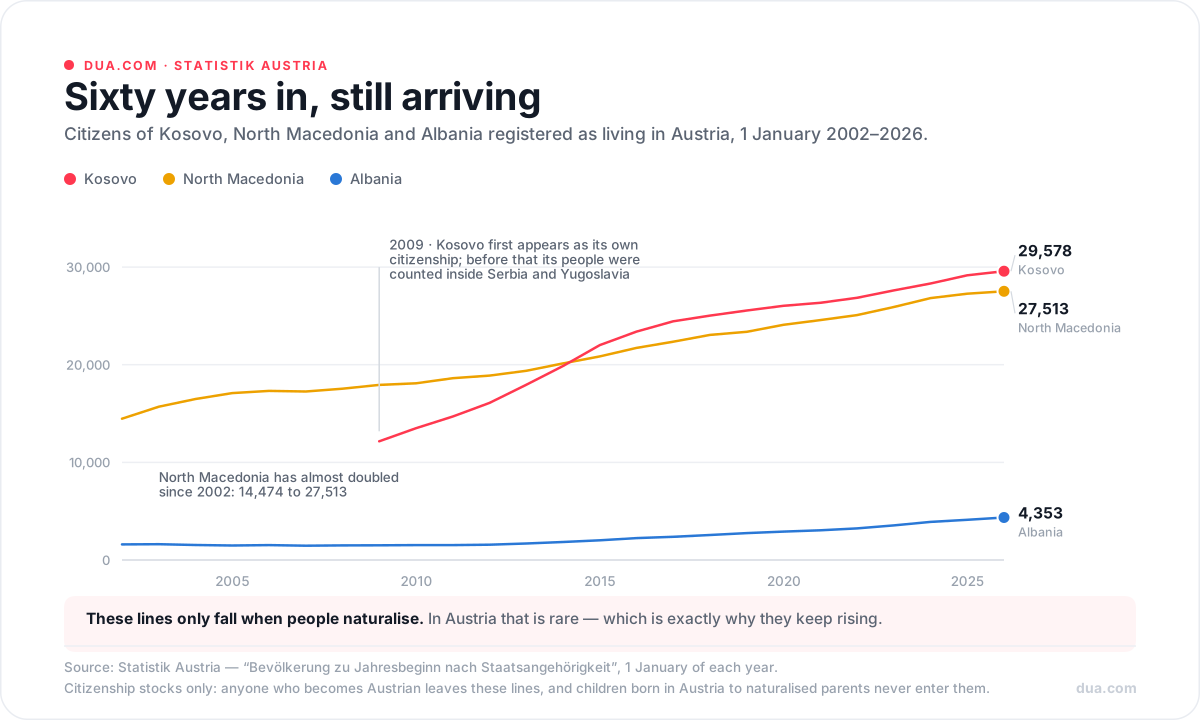
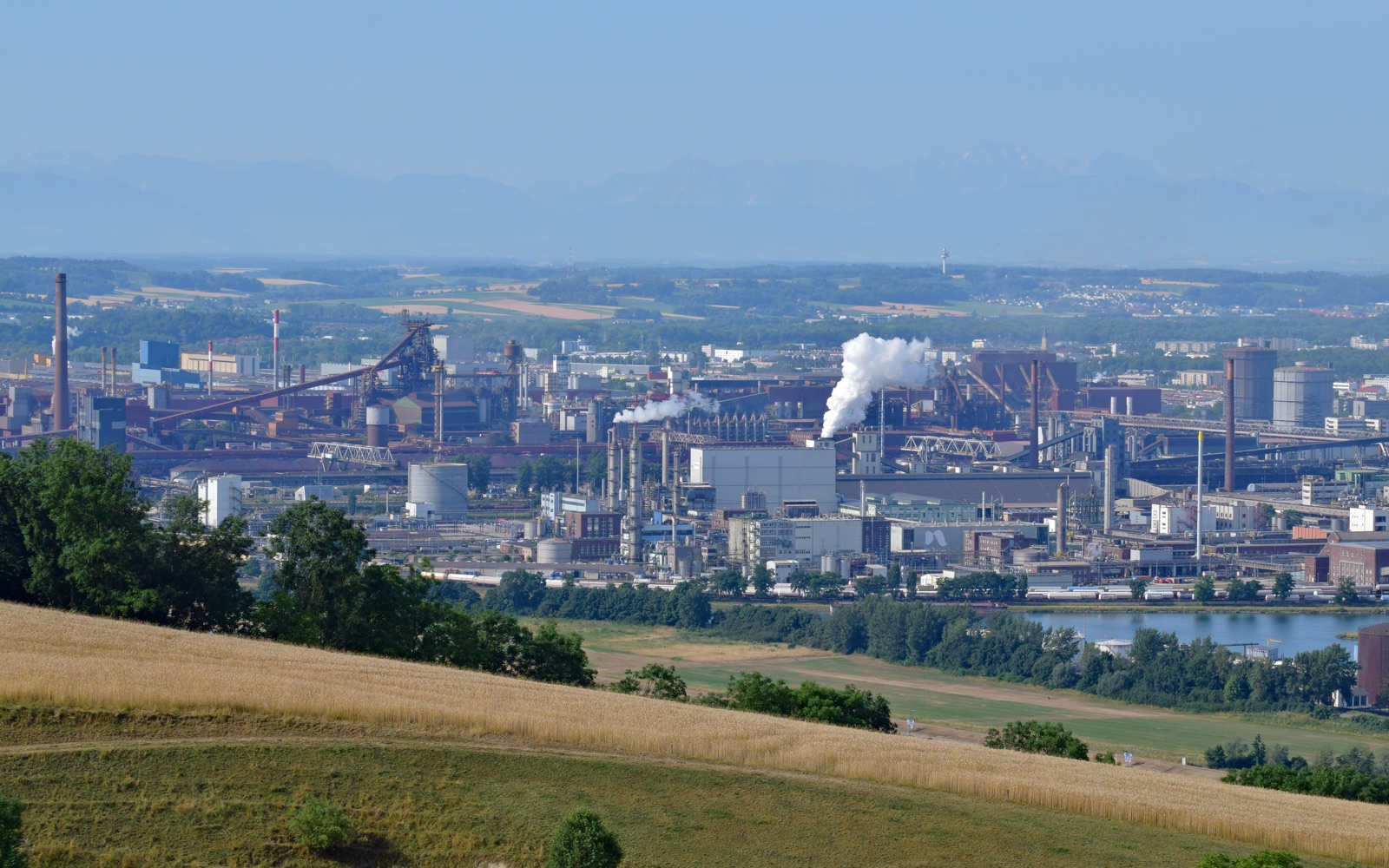
On 1 January 2026, Upper Austria held 8,216 Kosovo citizens against Vienna’s 7,501. Measured by birthplace the two are level (10,190 against 10,326). Either way, the pattern is clear: the Kosovar community followed the industrial corridor — Linz, Wels, Steyr — not the capital. That is the direct inheritance of the 1965 agreement, which fed workers into factories, not into offices.
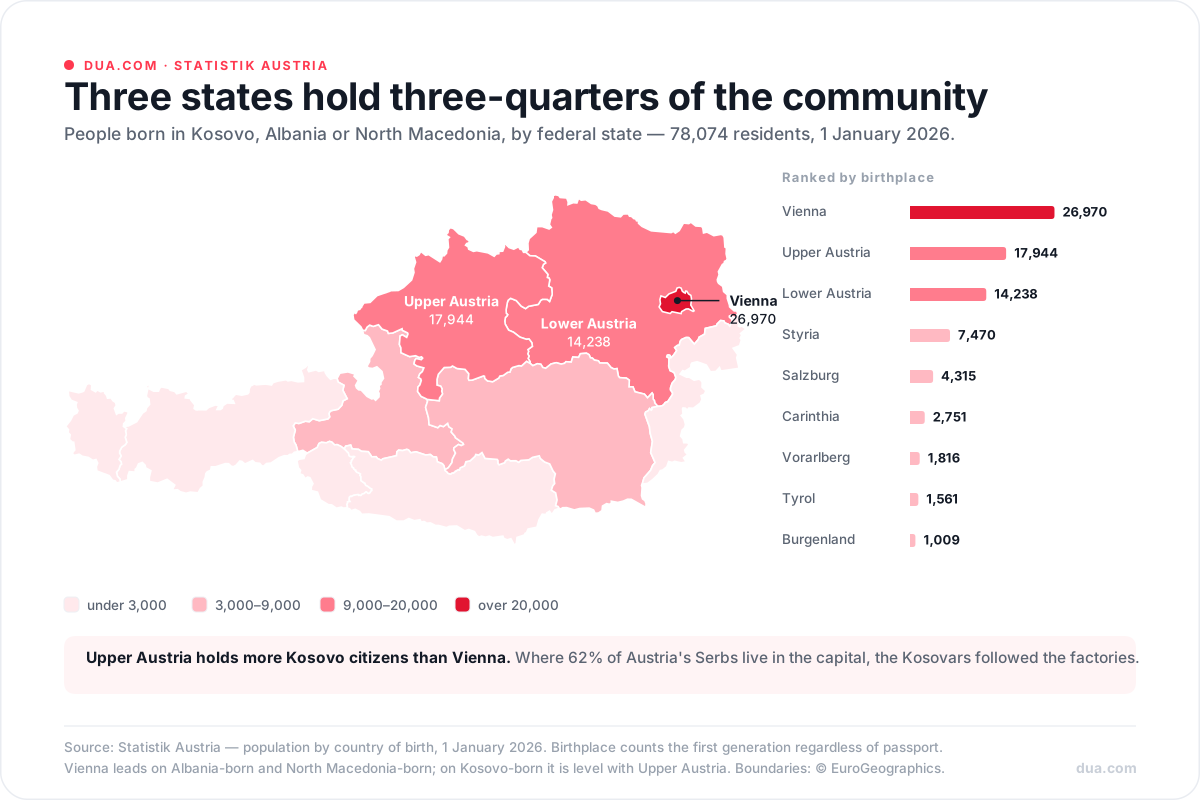
| Federal state | Kosovo citizens | North Macedonia citizens | Albania citizens | Born in the three |
|---|---|---|---|---|
| Vienna | 7,501 | 11,039 | 2,315 | 26,970 |
| Upper Austria | 8,216 | 6,212 | 604 | 17,944 |
| Lower Austria | 4,903 | 5,882 | 431 | 14,238 |
| Styria | 4,055 | 1,327 | 444 | 7,470 |
| Salzburg | 2,061 | 1,471 | 148 | 4,315 |
| Carinthia | 1,112 | 568 | 169 | 2,751 |
| Vorarlberg | 627 | 487 | 84 | 1,816 |
| Tyrol | 672 | 331 | 120 | 1,561 |
| Burgenland | 431 | 196 | 38 | 1,009 |
| Austria | 29,578 | 27,513 | 4,353 | 78,074 |
Vienna still leads overall, and by a distance on two of the three tracks: 53 percent of Austria’s Albanian citizens and 40 percent of its North Macedonian citizens live in the capital. Within the city the Balkan communities concentrate in the working-class west and south — Favoriten, Ottakring, Rudolfsheim-Fünfhaus, Simmering, Floridsdorf. Favoriten and Rudolfsheim-Fünfhaus are Vienna’s most international districts, both 46.2 percent non-Austrian; in Rudolfsheim-Fünfhaus a majority of residents were born abroad.
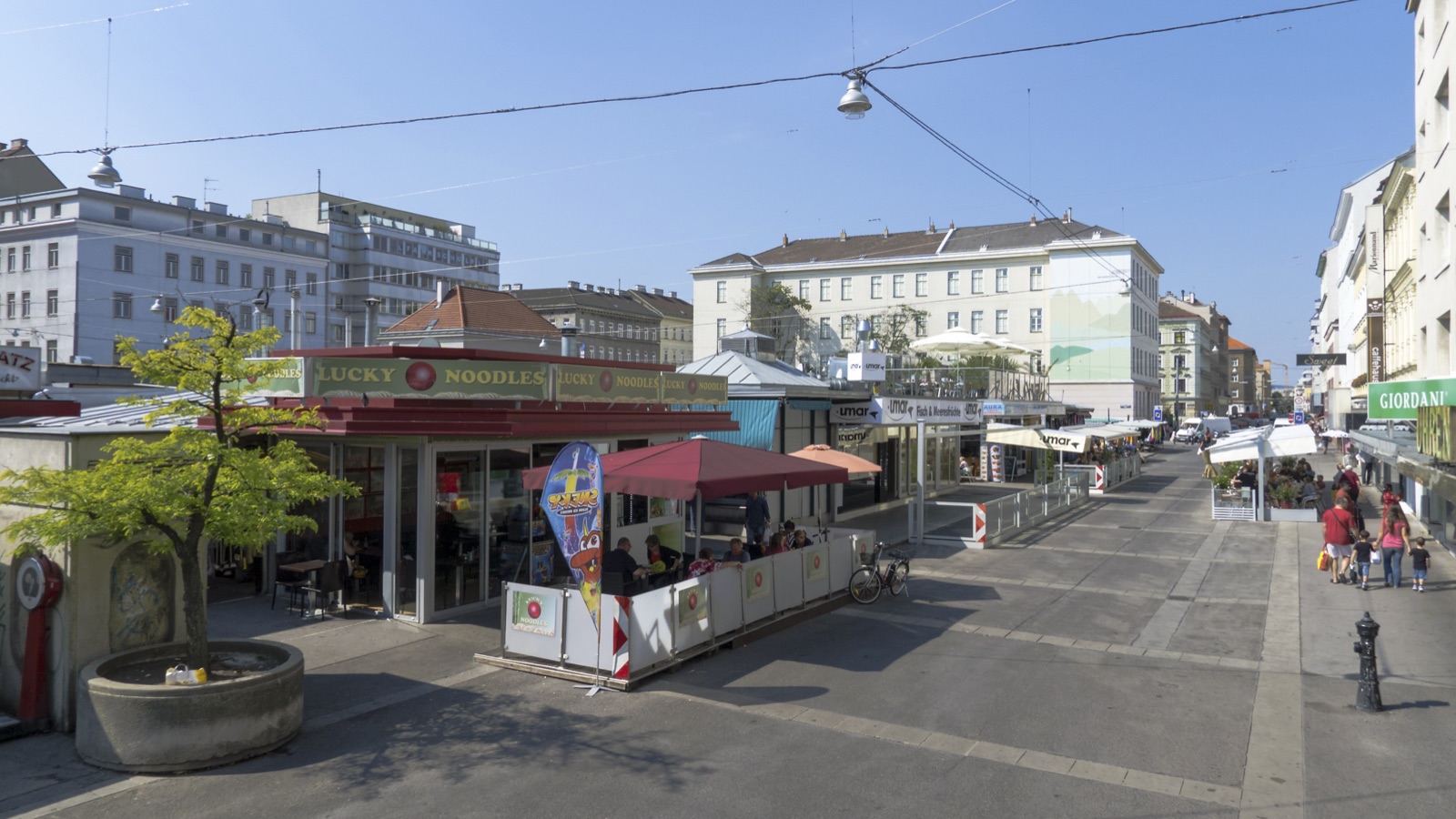
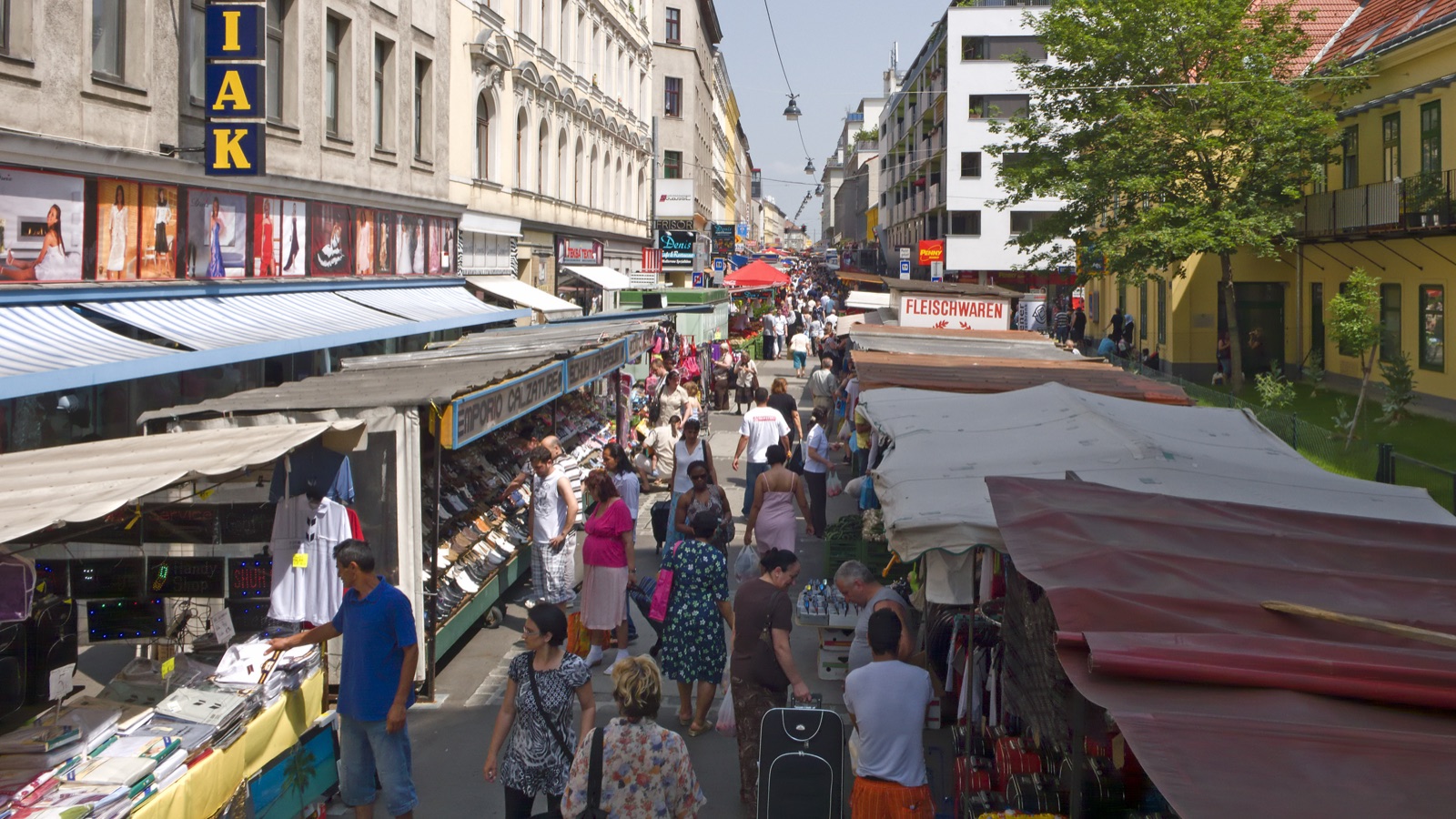
Beyond Vienna, the picture is genuinely federal. Graz counted 1,925 Kosovars, 887 North Macedonians and 317 Albanians in July 2026. The City of Salzburg recorded 785 Kosovars and 606 North Macedonians. Vorarlberg — Austria’s most Turkish state — has among its smallest Albanian-speaking populations, a reminder that guest-worker geography was built village by village, not by any national logic.
The door that closed
Here is where Austria’s story separates permanently from Germany’s. In June 2024 Germany dropped the requirement to give up your old passport and cut the residence requirement to five years; naturalisations from the Albanian-speaking world promptly hit record highs. Austria moved the other way eighteen years earlier and has never reversed it. The door was not always shut: in 2003 Austria naturalised 44,694 residents. Then it changed the rules.
Austrian law does not merely prefer that you renounce your previous citizenship. Under §20 of the Staatsbürgerschaftsgesetz, citizenship is first only promised — granted conditionally on proof that you have left your old nationality behind. Under §10(3), it must not be granted to someone who fails to take the steps to do so. The standard residence requirement is ten years. The income test looks back six years and requires evidence of sufficient regular income in 36 of those 72 months.
The effect is visible in a single chart.
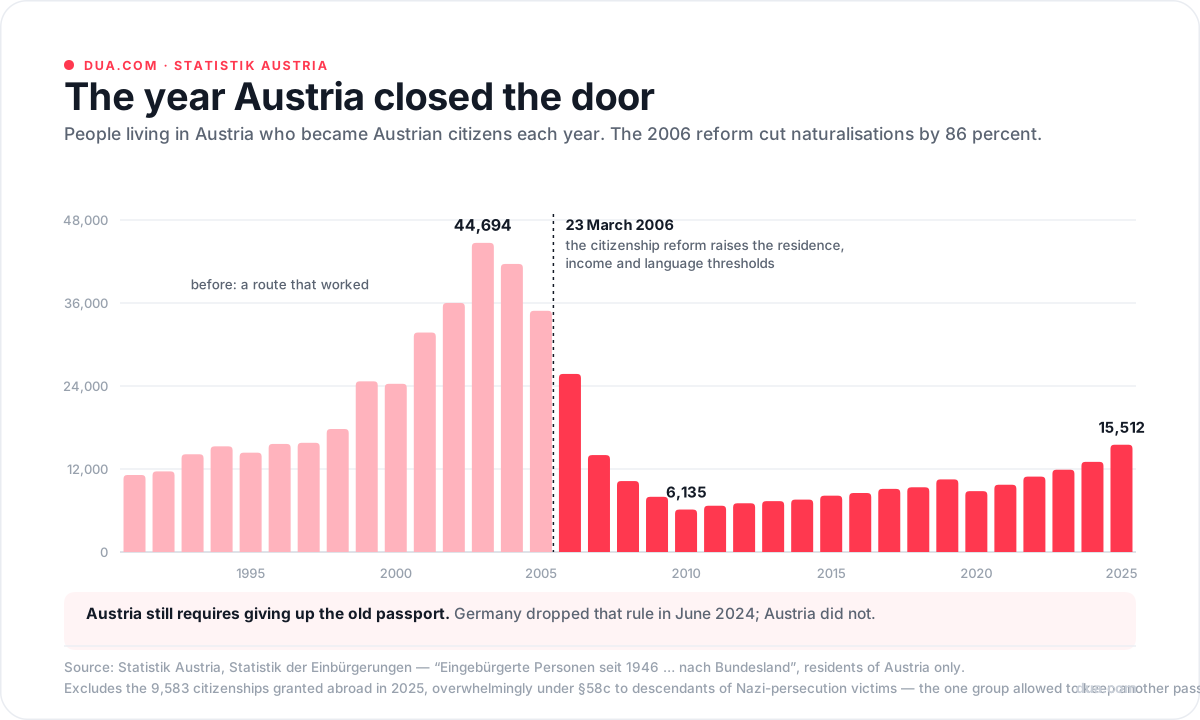
The 2006 reform (BGBl. I Nr. 37/2006, in force 23 March 2006) raised the residence, income and language thresholds together. Resident naturalisations fell from 44,694 in 2003 to 6,135 in 2010 — a drop of 86 percent. In Vienna the collapse was steeper still, from 18,085 to 1,745. Two decades later the figure has recovered only to 15,512, about a third of the 2003 level, in a country whose foreign population has meanwhile grown by hundreds of thousands.
For the Albanian-speaking community specifically, the annual numbers are small and stable. In 2025 Austria naturalised 414 former Kosovo citizens, 272 North Macedonian, 105 Albanian and 11 Montenegrin. Across the twelve years from 2014 to 2025, those four origins together produced 10,597 new Austrians — roughly five years' worth of the community’s own growth, spread over twelve. Austria’s overall naturalisation rate in 2025 was 0.8 percent; for Kosovo citizens it works out at about 1.4 percent.
Born here, foreign anyway
Austria has no birthright citizenship. A child born in Vienna to Kosovar parents is born a Kosovar. On 1 January 2026, 288,698 people living in Austria had been born in Austria and did not hold Austrian citizenship — 15.4 percent of all foreign nationals in the country. In Vienna alone the figure is 113,549.
Birth in Austria does shorten the wait: §11a allows naturalisation after six years rather than ten. But six years of continuous lawful residence, a clean record, adequate income and language certification is a long road for a person who has never lived anywhere else.
The vote a third of the city does not have
Citizenship in Austria is not a formality — it is the vote. There is no local franchise for third-country nationals. Vienna tried to create one in 2003, extending district-level voting rights to long-resident non-citizens; the Constitutional Court struck the law down on 30 June 2004, holding that the federal constitution reserves the franchise to citizens.
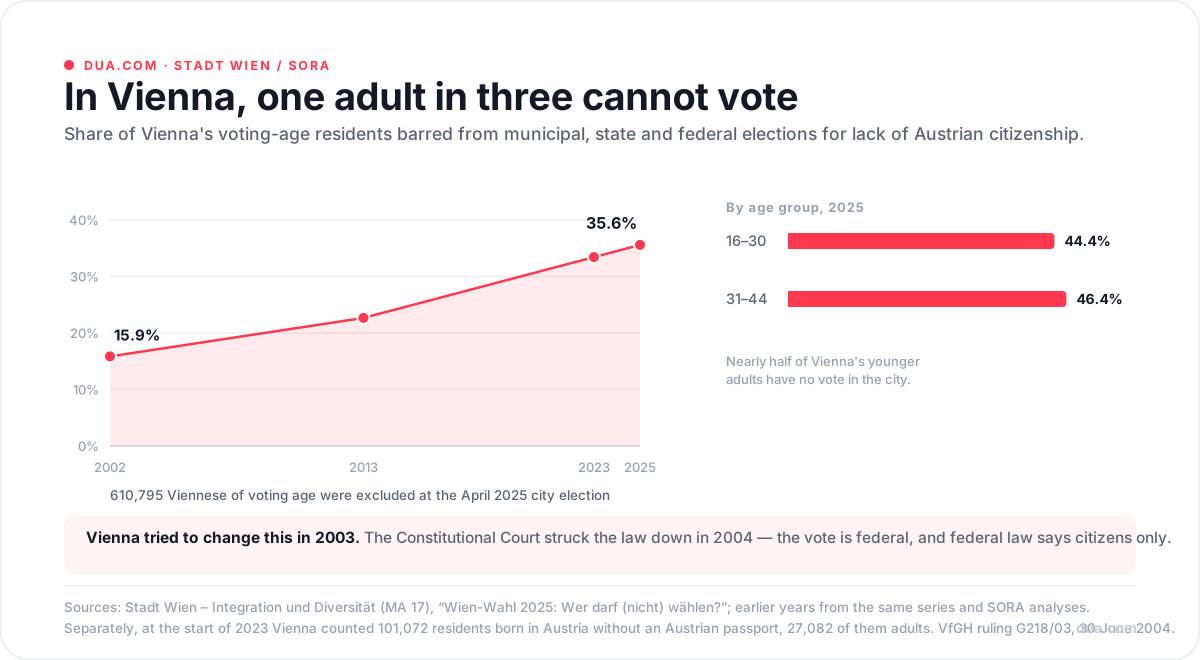
At Vienna’s municipal election on 27 April 2025, 610,795 residents of voting age — 35.6 percent — could not take part. Among 31-to-44-year-olds the share was 46.4 percent; among 16-to-30-year-olds, 44.4 percent. The share has more than doubled since 2002, when it was 15.9 percent. And these are not all new arrivals: at the start of 2023 Vienna was home to 101,072 people born in Austria without an Austrian passport, 27,082 of them already of voting age.
This is the structural fact that shapes Albanian civic life in Austria. It explains why no candidate of Albanian origin was elected to Austria’s 183-seat Nationalrat in September 2024, and why Albanian political participation is strongest at the level where residence rather than citizenship still counts for something — school boards, works councils, associations, and small-town councils. The community’s civic energy is real; the franchise simply has not caught up with it.
Work, money and the transnational economy
The 1965 agreement sent Albanians into Austrian factories, and their descendants are still disproportionately in the sectors that build and run the country. Among men working in Austrian construction, 36.6 percent have a migration background, second only to hospitality at 57.3 percent. In 2024 there were 10,902 employees with Kosovo citizenship and 11,885 with North Macedonian citizenship in Austria.
The money that flows the other way is documented at the receiving end. Weight the Central Bank of Kosovo’s monthly country shares by its monthly totals and Austria sent about €59.1 million to Kosovo in 2025 — 4.18 percent of Kosovo’s total remittance inflow of €1.41 billion, making Austria the fourth-largest source country after Germany, Switzerland and the United States. The bank publishes that country split monthly, as percentages, and no annual per-country figure at all, so the euro amount is our arithmetic. That figure has grown 154 percent since 2015, when it was €23.2 million; since 2009, Austria has sent roughly €671 million in total. Article 13 of the 1965 treaty is still working.
Some of that money travels through Austrian institutions in the other direction: Raiffeisen Bank Kosovo is the country’s largest bank by loans, with 36 branches and 937 employees, so a transfer from Linz often lands in an Austrian-owned branch in Pristina. Austria has been a priority donor in Kosovo since 1999, and its goods trade with the country runs a steady surplus — €116 million exported against €17 million imported in 2025.
There is a harder number underneath all this. Self-employment among people with a non-EU ex-Yugoslav background stands at 4.8 percent — the lowest of any origin group measured in Austria, against 10.6 percent for people without a migration background, and median net annual income was €26,878 in 2023 against €33,424. The community’s economic position is solid in employment and weak in ownership: which is what sixty years of arriving through a labour quota, rather than a business visa, tends to produce.
Language, faith and community
The clearest measure of whether a community is staying is what its children speak at home. In Austria, the answer is unambiguous.
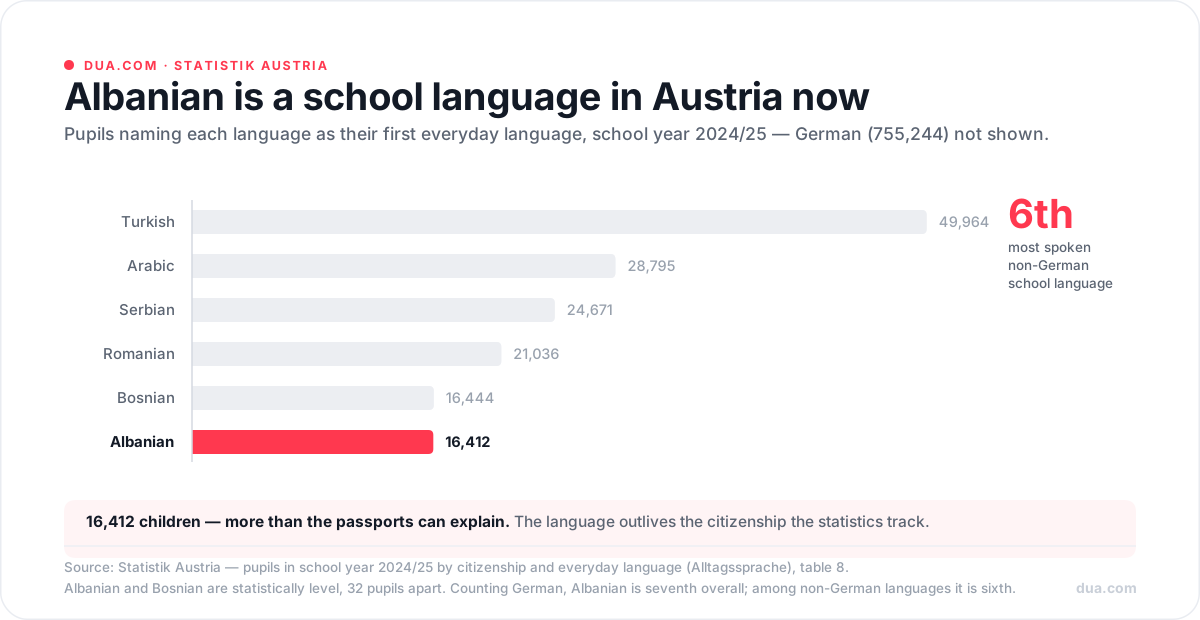
16,412 pupils named Albanian as their first everyday language in 2024/25 — sixth among non-German languages, statistically level with Bosnian (16,444) and behind only Turkish, Arabic, Serbian and Romanian. Among four- and five-year-olds in early-childhood education, Albanian is already the sixth most common first language, spoken by 1.9 percent of them, ahead of Hungarian, Polish and Ukrainian. A language does not reach that position in a country’s nurseries unless families are deciding, deliberately and at scale, to pass it on.
They have institutional help, and it predates the community’s own visibility. Albanian supplementary teaching in Vienna dates to 1987, when Kosovo’s education authorities posted Shefqet Gashi there as its first Albanian teacher; it was later absorbed into Austria’s state-supported muttersprachlicher Unterricht. By 2018/19 Albanian was the fourth-largest of 26 languages in the system, with 1,651 pupils, 22 teachers and 319 weekly teaching hours. Tellingly, it is taught most outside the capital: Upper Austria had 594 Albanian pupils that year against Vienna’s 301 — the factory geography again.
At the last census that asked (2001), 28,212 residents gave Albanian as their colloquial language, of whom 3,766 were already Austrian citizens. Austria has not asked since.
Two faiths, one community
Albanian religious life in Austria is organised, legally recognised and split much as it is at home. Muslim Albanians have their own constituted body inside the Islamic Religious Community in Austria: ALKIG, the Albanische Kultusgemeinde der IGGÖ. The oldest and largest Albanian mosque community, the Verein Albanischer Muslime in Wien, was founded on 7 June 1994 in Vienna’s 16th district.
The Albanian-speaking Catholic community of the Archdiocese of Vienna, founded in 1993, counts roughly 1,300 families and more than 6,000 faithful across Austria, the Czech Republic and Slovakia, with a Vienna core of over 400 families. It has been led since 2012 by Don Nikson Shabani, only the fourth pastor in its history — a reminder that Albanian Austria is not only a Muslim story.
The summer road home
Every July and August the community empties toward the south, and the airlines plan for it. Austrian Airlines will operate 766 Vienna–Pristina flights in summer 2026, 80 more than the previous summer and 10,939 extra seats; frequencies rise from 10–12 weekly in spring to daily-plus at the peak. In July 2021 the route ran up to three times a day for the first time in its then 21-year history. Pristina’s airport, which handled 4.6 million passengers in 2025, is at its busiest in exactly those weeks.
The people who shaped Austria
Albanian Austria is not a recent addition to the country’s cultural life. It helped build one of its landmarks, created the role that still opens its most famous festival, and made Vienna the city where the Albanian language first became a university subject. The guest workers of 1965 arrived into a relationship that was already a century old.
The engineer of the Semmering
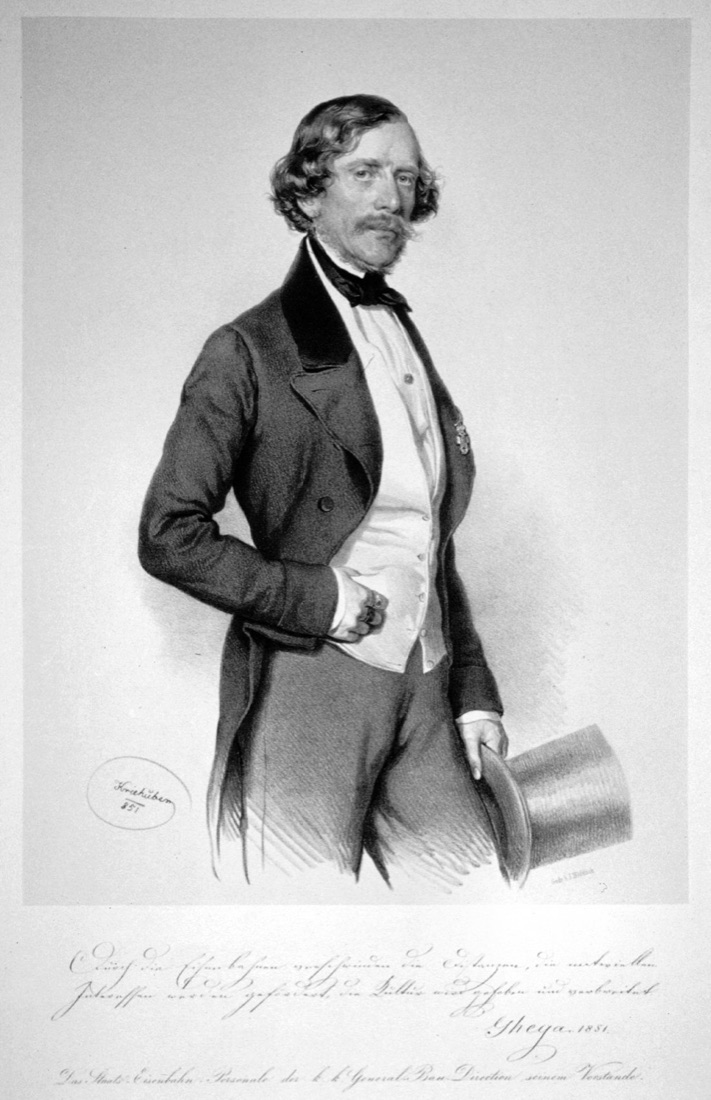
Carl Ritter von Ghega
Born in Venice in 1802 into a Venetian-Adriatic naval family, Ghega built the Semmering Railway — the first standard-gauge mountain railway in the world, and a UNESCO World Heritage Site since 1998. Against the settled opinion of his profession he insisted the massif could be crossed by ordinary adhesion locomotives; the line he drove through it between 1848 and 1854 needed sixteen viaducts and fifteen tunnels. He rose to inspector-general of the imperial railways, was ennobled in 1851, and from 1968 his face was on the 20-schilling note with his own viaduct on the reverse.
Lithograph: Josef Kriehuber, 1851 / Wikimedia Commons · public domain
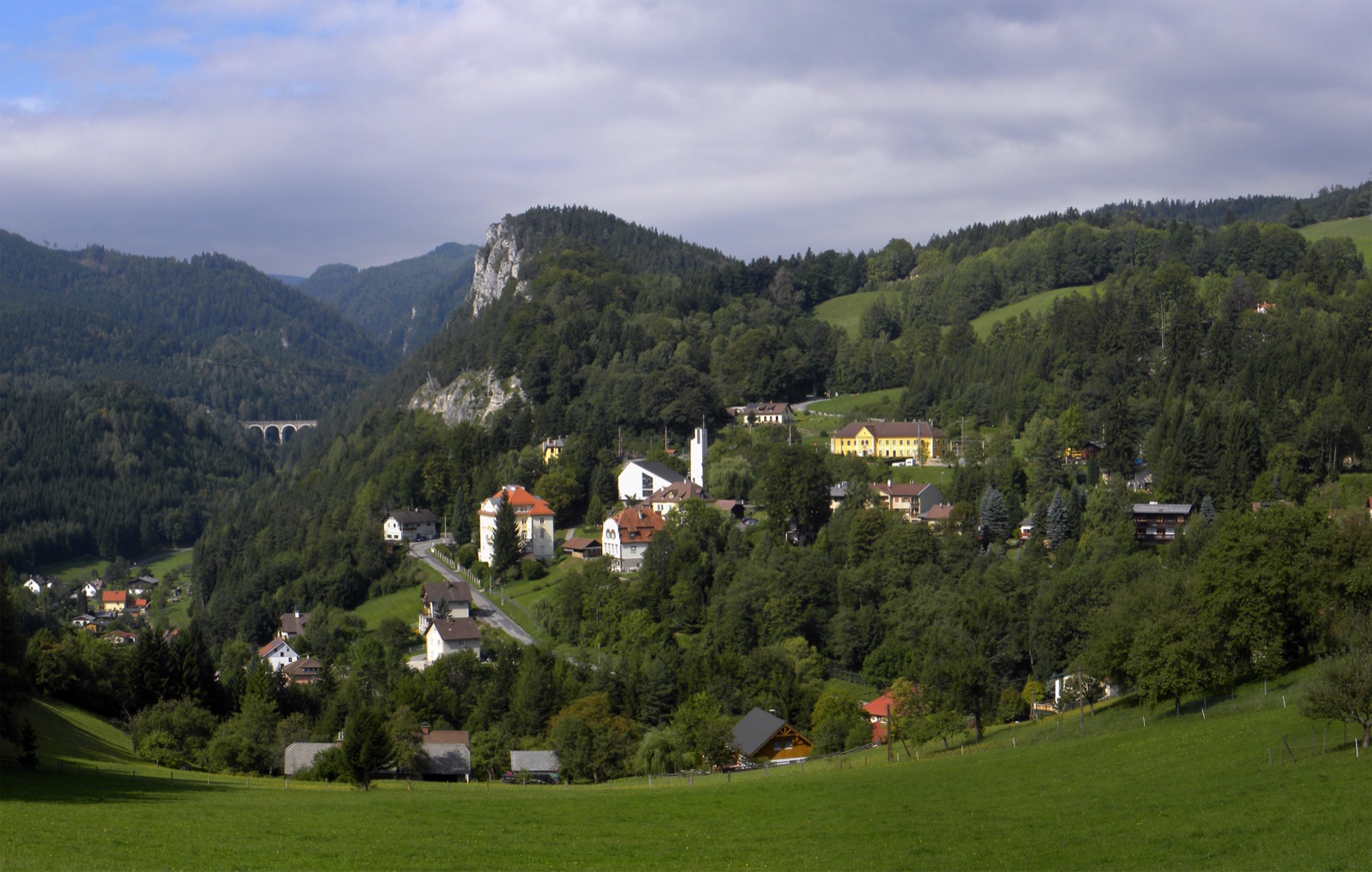
The Kalte Rinne viaduct
Ghega’s two-storey viaduct at Breitenstein, still carrying scheduled trains 170 years after it was built. The Semmering line was inscribed by UNESCO in 1998 as “a great feat of civil engineering from the pioneering phase of railway building”.
Photo: Häferl / Wikimedia Commons · CC BY-SA 3.0 AT
The first Jedermann
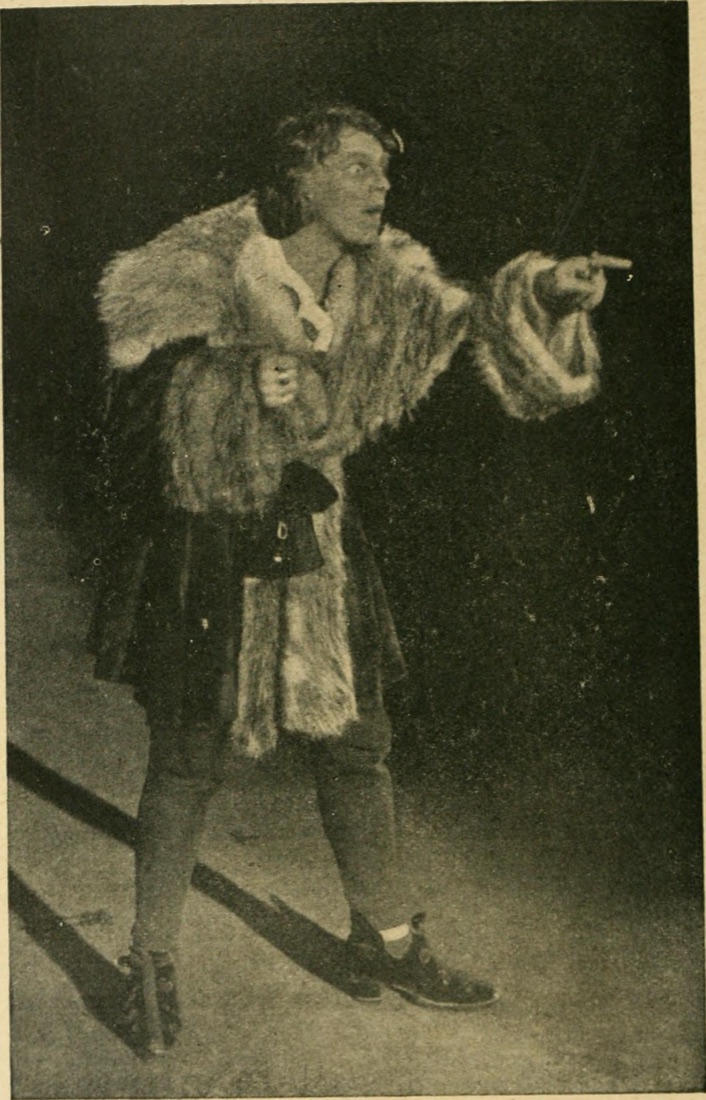
Alexander Moissi
Son of the Albanian merchant and shipowner Konstantin Moisiu of Durrës, Moissi arrived in Vienna in 1898 at nineteen, barely speaking German, and became the most celebrated German-language actor of his generation. On 22 August 1920 he stood on the Domplatz in Salzburg as the first Jedermann in Max Reinhardt’s staging of Hofmannsthal’s morality play — the performance the Salzburg Festival dates as its own birth. He returned to the role through the 1920s and early 1930s, and died in Vienna in 1935. Durrës named its theatre and its university after him.
Photograph from Ernst Stern & Heinz Herald, Reinhardt und seine Bühne (1919), via Wikimedia Commons · public domain
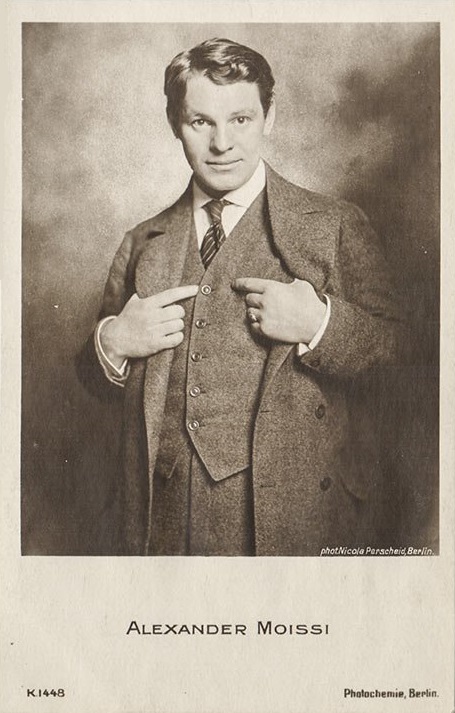
The face of German-language theatre
Moissi photographed by Nicola Perscheid at the height of his fame. He toured Europe and America, was painted and sculpted repeatedly, and remains the only actor whose casting is treated as the founding act of a festival that has run for more than a century.
Photo: Nicola Perscheid · public domain. Biography: Neue Deutsche Biographie
Vienna invented Albanology
The academic study of the Albanian language began in Austria — partly through Albanians who came to study, partly through Austrians who devoted their careers to a language few of their colleagues could place on a map. Both halves belong to the story.
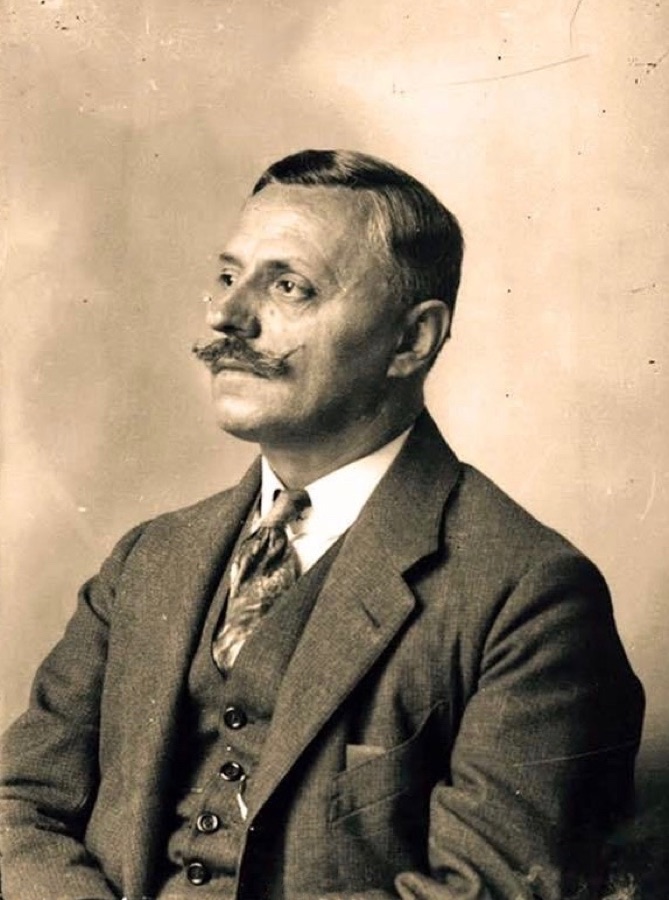
Gjergj Pekmezi
Born at Tushemisht near Pogradec, Pekmezi reached Vienna by way of Monastir and Belgrade, graduated in philosophy and philology in 1898, and began teaching Albanian at the university that same year. In 1903 he was elected to head the Albanian chair at Vienna’s Oriental Academy, and in 1904 he co-founded the Albanian society Dija in the city. He turned a migrants’ language into a university subject.
Photo: Kel Marubi / Wikimedia Commons · public domain
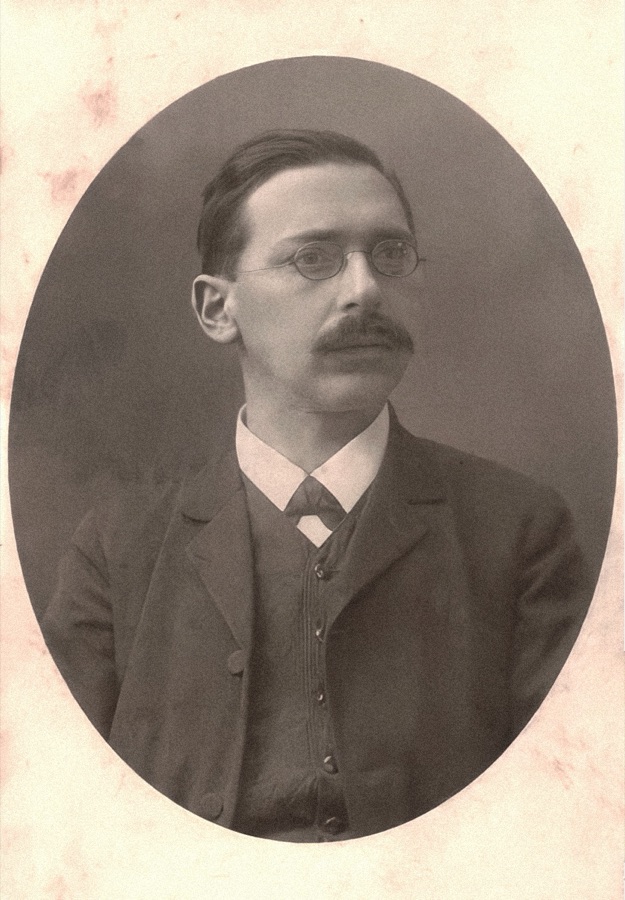
Norbert Jokl
Jokl was not Albanian. Born in Moravia to a Jewish merchant family, he worked at the University of Vienna Library, taught himself Albanian in 1907 and became the founder of scientific Albanology, habilitating in 1913. He was dismissed under the Nazi racial laws in 1938; efforts by Albanian institutions to bring him and his library to Tirana failed. He was deported in 1942 and murdered. The university’s memorial book records him among its victims.
Photo: Charles Scolik / Wikimedia Commons · public domain
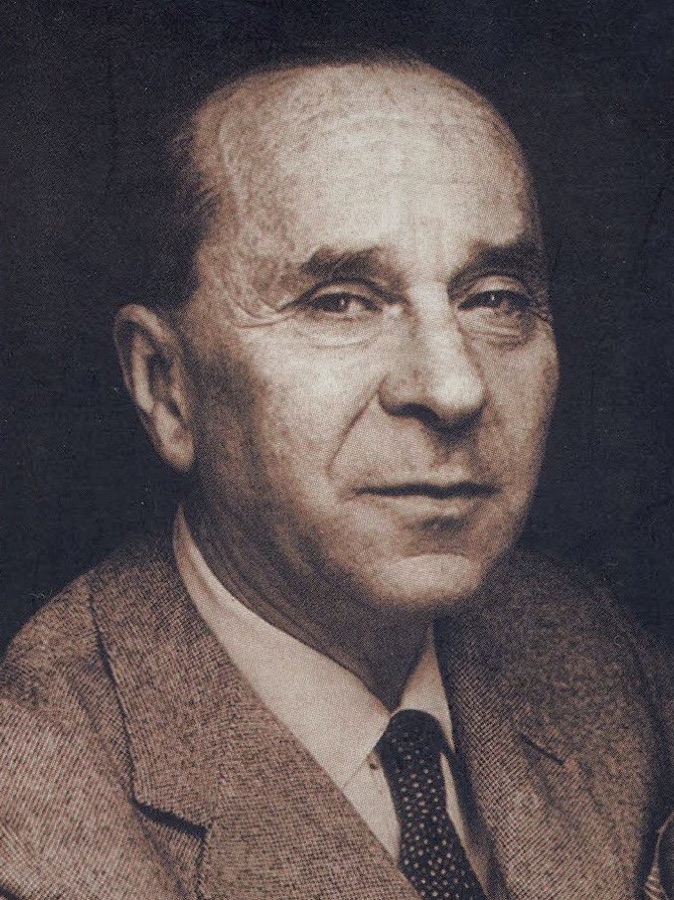
Eqrem bey Vlora
One of the delegates who signed Albania’s declaration of independence at Vlora on 28 November 1912 — and, by education, a Viennese. Nephew of Ismail Qemali, he was sent to the Theresianum, the Habsburg empire’s elite academy, from 1899 to 1903. He wrote in German, composed his memoirs in the language, and died in Vienna in 1964. Albanian statehood and Austrian schooling ran through the same people.
Photo: Wikimedia Commons · public domain
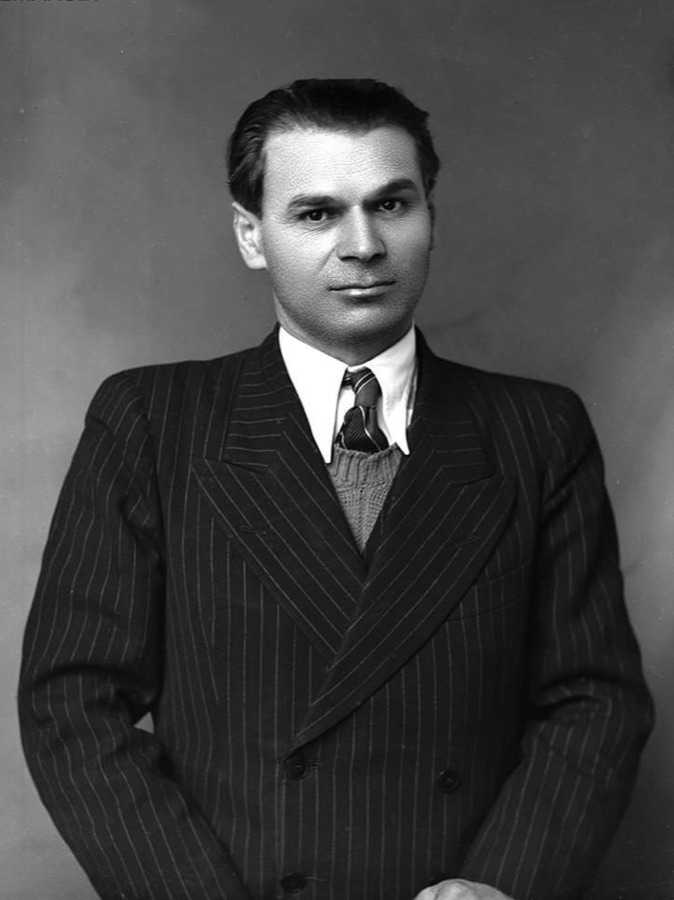
Lasgush Poradeci
The lyric poet who modernised Albanian verse did it as a student in Austria. Poradeci arrived in Graz on a scholarship in 1924 and stayed roughly a decade, reading Romance and Germanic philology at the Karl-Franzens-Universität and taking his doctorate there in May 1933 with a German-language dissertation. He is now taught in every Albanian school; his formative years were Styrian.
Photo: Gegë Marubi / Wikimedia Commons · public domain
The line runs unbroken to the present. Vienna’s Institute for Science and Art still researches the history of Austrian Albanology, and the discipline Jokl founded is taught in Austrian universities today.
The footballers who chose Austria
Here Austria inverts the pattern of its neighbours completely. Of the players capped by Kosovo who were born abroad, 26 were born in Switzerland and 21 in Germany. Exactly one was born in Austria — Vesel Demaku, from Altenmarkt an der Triesting in Lower Austria. The reason is not that Austria has fewer Albanian footballers. It is that they played for Austria.
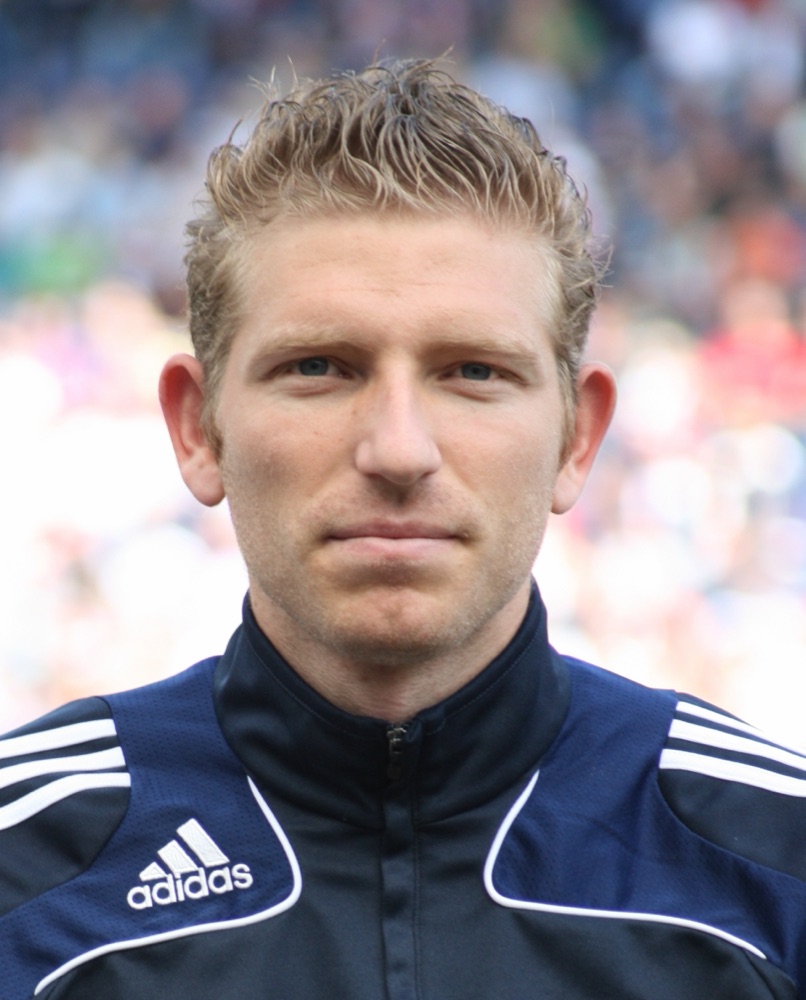
Ronald Gërçaliu
Born in Tirana and taken to Austria at eleven, Gërçaliu came through Sturm Graz’s academy. Hans Krankl called him up in 2005 and he made his debut against Scotland that August, winning 14 caps for Austria — the country he arrived in as a child, not the one he was born in.
Photo: Jacktd / Wikimedia Commons · CC BY-SA 3.0 AT
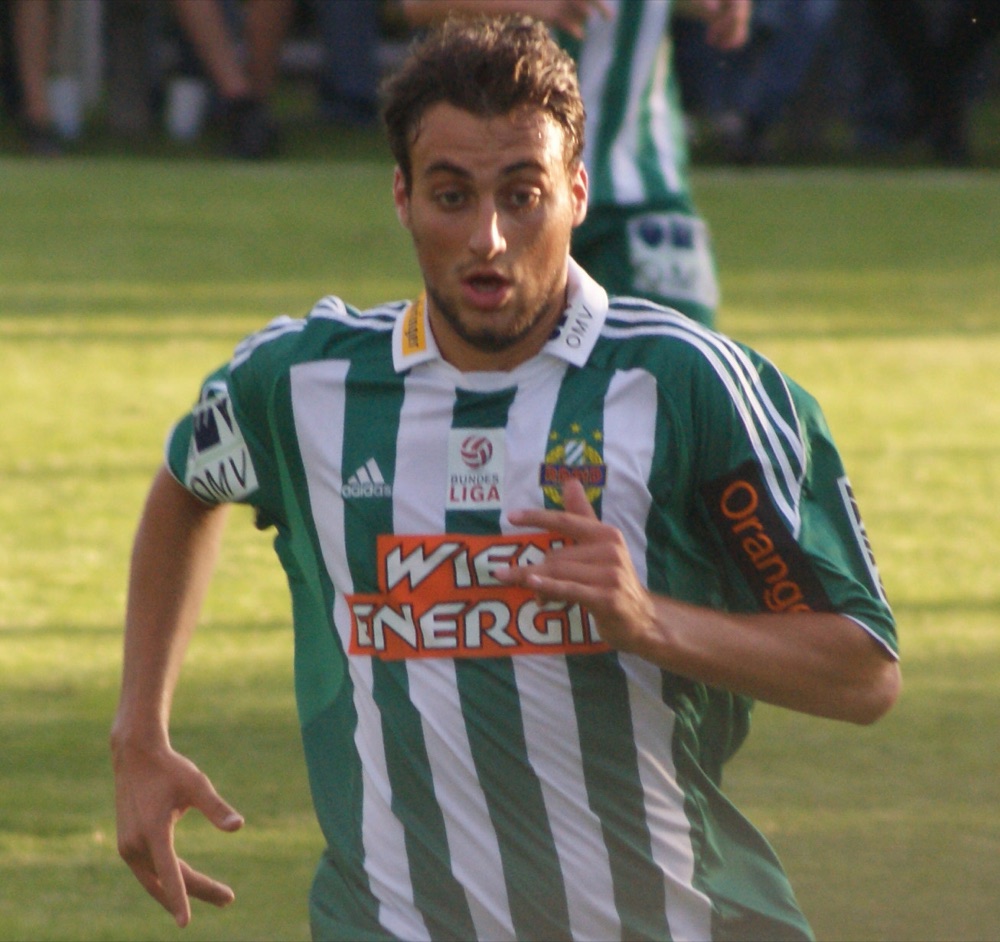
Atdhe Nuhiu
Born in Pristina in 1989 to parents from the Preševo Valley, Nuhiu grew up in Upper Austria — Ried im Traunkreis, then Wels. He reached the Austrian Bundesliga with Austria Kärnten and Rapid Wien, played 13 times for Austria’s under-21s, then spent seven seasons at Sheffield Wednesday before switching his allegiance to Kosovo.
Photo: Shuriikn / Wikimedia Commons · CC BY 3.0
The pattern repeats across a generation. Besian Idrizaj, born in Baden bei Wien in 1987, was Austria’s Young Player of the Year at LASK before Liverpool signed him at seventeen; he collapsed and died in his sleep in 2010, aged 22, and Swansea City still marks the anniversary. Albert Vallçi, born in Voitsberg to a father from Mitrovica, ground his way up through Kapfenberg, Lafnitz, Horn and Innsbruck before Red Bull Salzburg signed him at 23 with no elite academy behind him. Sinan Bytyqi, brought to Austria at one year old, scored ten goals across Austria’s youth teams and signed for Manchester City before a heart condition ended his playing career at twenty — he now coaches in Vienna. And Dijon Kameri, born in Salzburg’s Maxglan district in 2004, captained Austria’s youth sides and won a Bundesliga title before turning twenty.
Where Albanian Austria actually became famous
Ask where the Albanian diaspora made its name in German-speaking Europe and the answer is usually music: Loredana and EAZ in Switzerland, Dardan and Azet in Germany, all of them chart-topping rappers. Austria has no equivalent. Work through the full roster of Austrian hip-hop artists and there is not one Albanian-origin name in the mainstream scene — no Austrian Loredana, no Austrian Dhurata Dora.
That absence has a straightforward explanation. Austria’s Albanian community is roughly a tenth the size of Germany’s, and its music market is smaller again; a German-language rap career is built in Berlin, Stuttgart or Zurich, not Linz. But reading that as an absence of Albanian cultural presence in Austria would be exactly wrong. Albanians in Austria did not reach the charts. They reached the Musikverein.
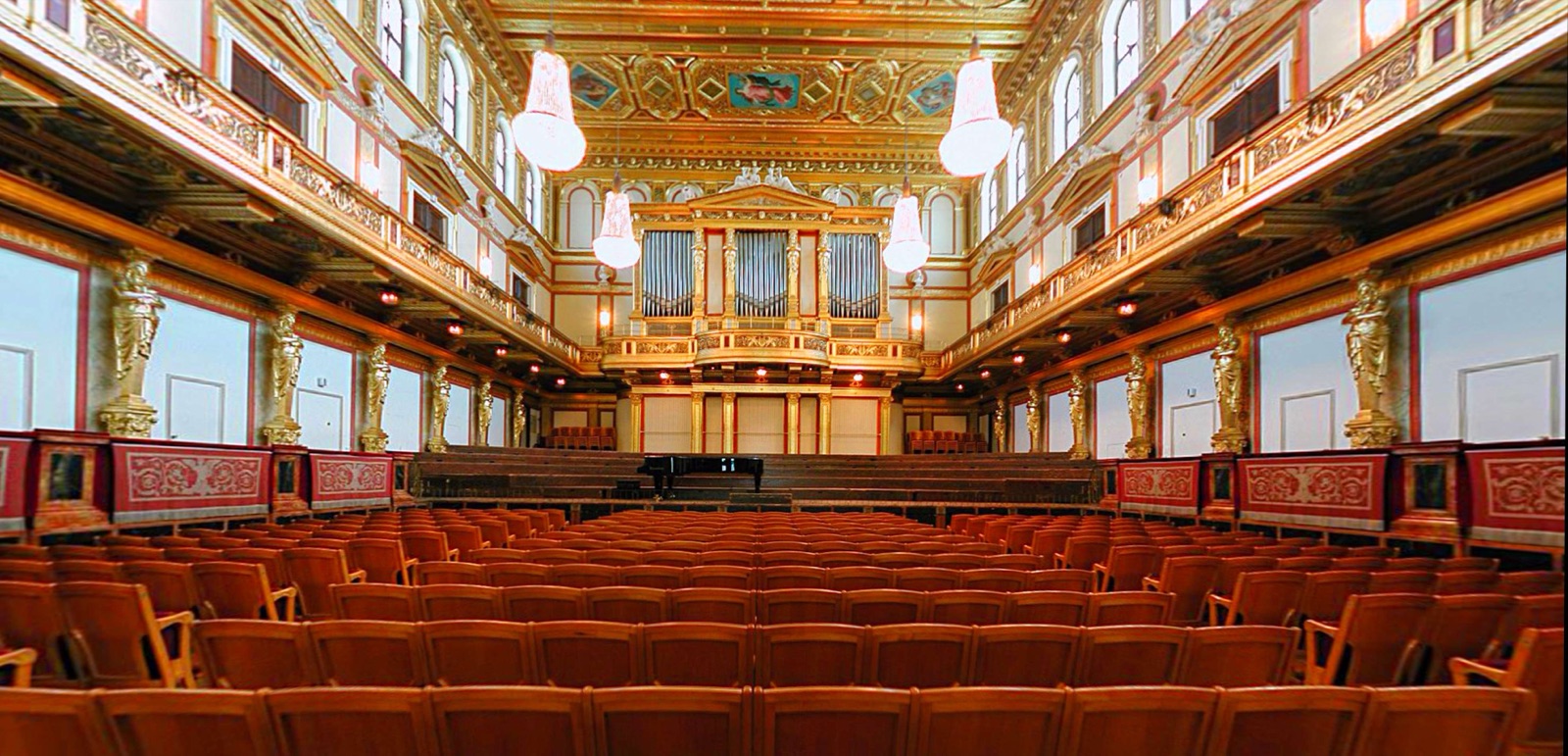
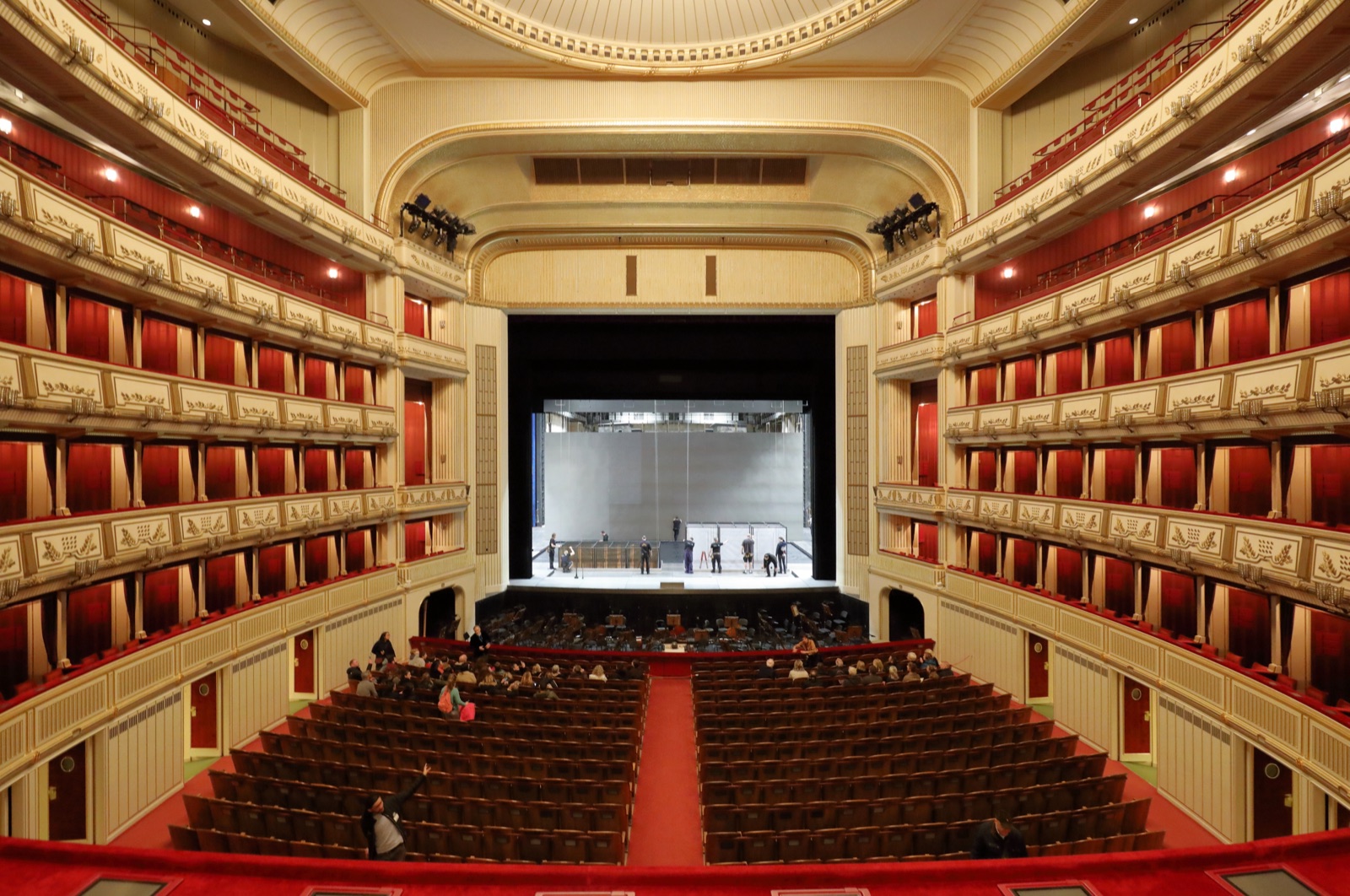
Shkëlzen Doli
Born in Elbasan and raised in Gjakova, Doli arrived in Vienna in September 1992 and enrolled at the University of Music and Performing Arts the following month. He has been a violinist of the Vienna Philharmonic since 1995 — one of the most competitive orchestral posts in the world, held for more than thirty years. Which means that when the New Year’s Concert is broadcast from the Musikverein to tens of millions of people, an Albanian from Gjakova is playing in it.
Photo of the Vienna State Opera auditorium: C. Stadler / Bwag / Wikimedia Commons · CC BY-SA 4.0
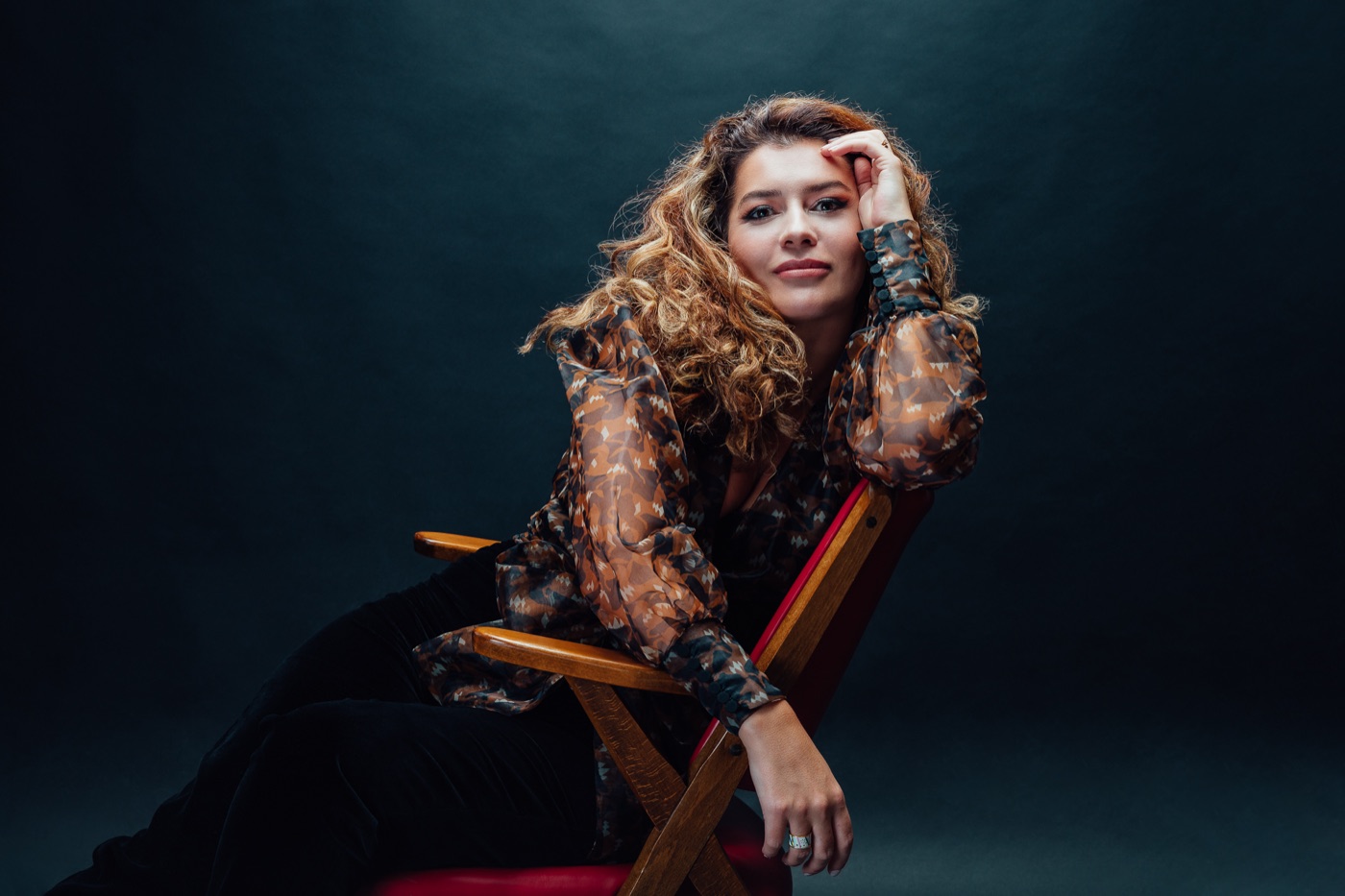
Flaka Goranci
Born in Gjakova and trained in Tirana, the mezzo-soprano built her career from Vienna and has sung at the Konzerthaus, the Musikverein and Theater an der Wien. Her 2022 album La Femme: A Journey of Female Composers took three nominations at Germany’s Opus Klassik awards in 2023, including Best Singer.
Photo: Venusicon / Wikimedia Commons · CC BY-SA 4.0
The pattern repeats across Vienna’s institutions. Eno Peçi, born in Tirana and sent to his sister in Vienna in 1998, became a soloist of the Vienna State Ballet — he has danced the ballet interludes of the New Year’s Concert and choreographed the opening of the Vienna Opera Ball in 2018 and 2020, the most-watched social event in the Austrian calendar; Albania’s president named him Ambasador i Kombit. Ardita Statovci, from Pristina, took her master’s at the Mozarteum in Salzburg and won the Bösendorfer Prize in 2006; she has been a Young Steinway Artist since 2009. Rina Kaçinari, a cellist who left Pristina at fifteen because there were no teachers left, has lived in Vienna since 2006 and won the Austrian World Music Award with her duo Catch-Pop String-Strong.
On screen
Austrian television has two Albanian-origin actors with long careers. Astrit Alihajdaraj arrived in Vienna in 1996, was discovered mid-degree by the director Barbara Albert and cast in her debut feature Nordrand (1999) — the film that put contemporary Austrian cinema on the international map. His filmography now runs 26 years. Elvis Alieva, born in Kosovo in 1991, trained at the Schauspielschule Krauss in Vienna and has built a decade of ORF credits, including a recurring role in CopStories, alongside stage work with the Volkstheater and the Serapions Ensemble.
And the feed
The largest Albanian-origin audience in Austria today belongs to neither a musician nor an actor. Almira Azemi, an ethnic Albanian from Kumanovo who has lived in Vienna since 2007 and works as a cosmetologist, has over a million TikTok followers — a bigger audience than any Albanian-Austrian performer in any field, built from a Vienna salon in Albanian and German. Elsa Latifaj, born and raised in Baden bei Wien to a family with Kosovar roots, reached season 18 of Germany’s Next Topmodel in 2023 and has worked steadily in German-language reality television since.
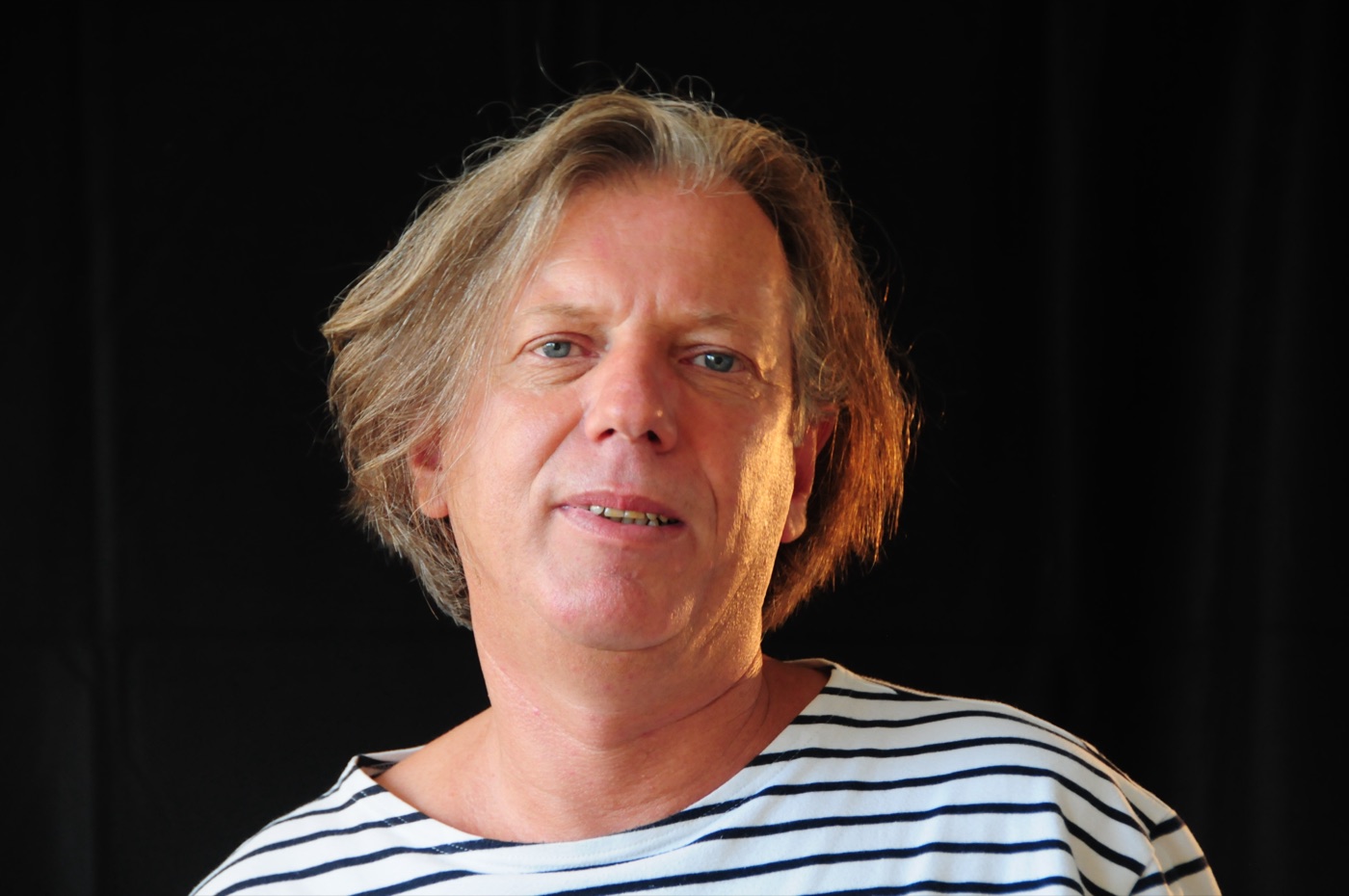
Gazmend Freitag
Born in the Kosovar village of Pataçan i Poshtëm, Freitag enrolled at Pristina’s law faculty in 1988 — then teaching collapsed as Albanians were pushed out of the university. He has lived and painted in Linz since 2010, and has made his adopted city one of his subjects: the rare migrant artist who paints the place he arrived in rather than the one he left.
Photo: Pilly-Elfe / Wikimedia Commons · CC BY-SA 4.0
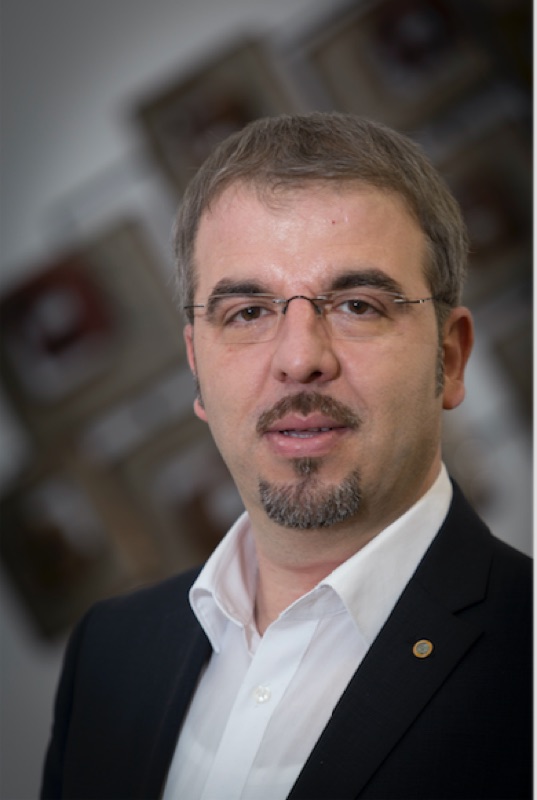
Prof. Zekirija Sejdini
Born in Vrapčište in North Macedonia’s Albanian west, Sejdini studied in Cairo and Istanbul and took his doctorate at Heidelberg before becoming the founding professor of Islamic Religious Education at the University of Innsbruck. He built a discipline into the Austrian academy — the same act Pekmezi performed for Albanian a century earlier, in a different faculty.
Photo: Universität Innsbruck / Wikimedia Commons · CC BY-SA 4.0
Local networks and community stories
The community’s meeting places are the ones sixty years of settlement built: the mosque associations and the Catholic mission, the cultural societies and their annual Culture Week, the Saturday mother-tongue classes in Linz and Vienna, the football clubs, the family businesses along the Gürtel and in Linz’s industrial districts. The Albanian National Diaspora Agency keeps a wider official directory of the clubs and associations that hold this network together.
What has changed is everything between those places. Austria’s Albanian community is spread across nine federal states, and the largest single group of Kosovars does not live in the capital. Someone in Wels and someone in Favoriten belong to the same community and may never cross paths — which is precisely the problem a diaspora platform exists to solve.
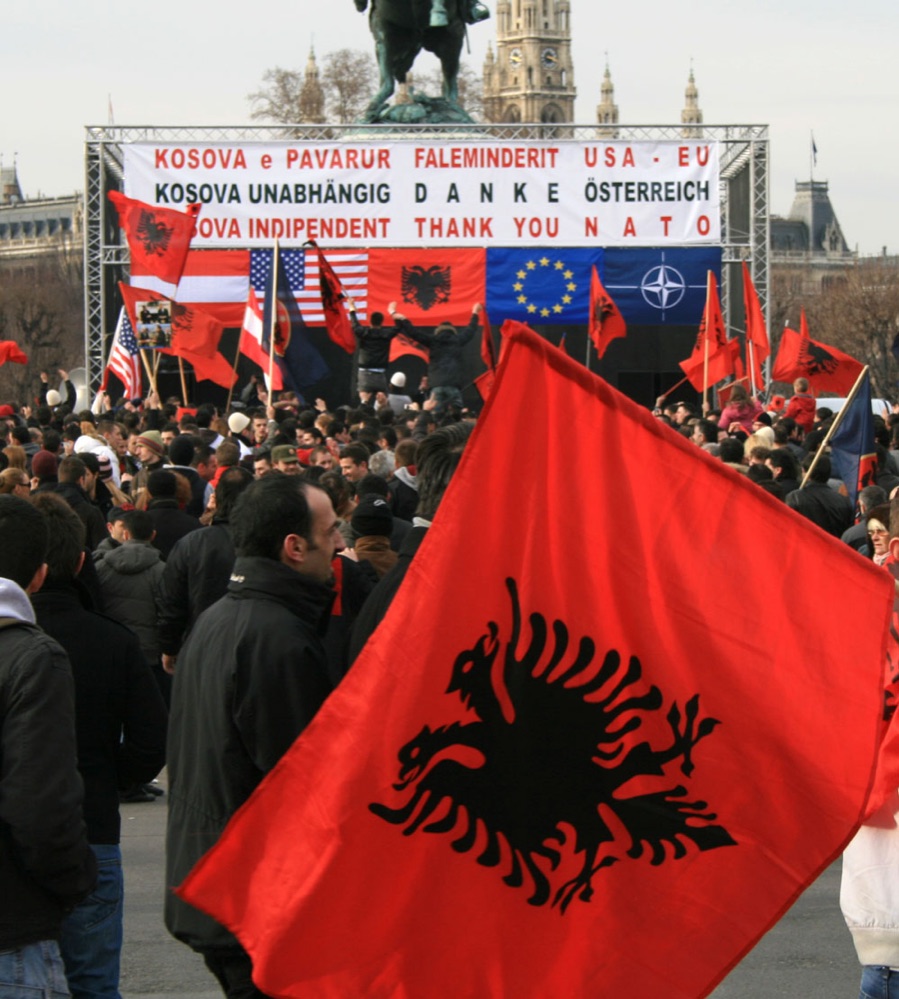
If you wanted to meet another Albanian, where did you go?
That question is sharper in Austria than almost anywhere. The community is large enough to fill a mid-sized city and scattered across nine federal states, with its biggest Kosovar concentration in Upper Austria and its biggest Albanian and North Macedonian ones in Vienna — 200 kilometres apart. A general dating app in Wels will not find you the person in Favoriten.
It also will not find you many Albanians at all. On a mainstream platform, the chance that the next profile is Albanian and someone you actually like is vanishingly small — and for a community where marrying inside the culture is still a common expectation, whether stated by family or simply preferred, that arithmetic decides how long the search takes. Most people solve it the way the community always has: through a cousin, a wedding, a village connection, a friend of a friend. That works, and it also means your options are whoever your relatives happen to know.
dua.com starts where those odds fail. Everyone there already shares the language and the cultural ground, so the discovery pool can be entirely Albanian before the first swipe — nobody has to explain what Bajram is, why a phone call with the mother lasts forty minutes, or what it means when the family says they would like to meet you. Compatibility is still personal and still hard. But the geography and the arithmetic stop being the obstacle.
Connecting across Austria — and beyond it
Austria sits in the middle of the German-speaking Albanian world. The communities of Bavaria, Vorarlberg, eastern Switzerland and Austria have overlapped for decades through work, marriage and family — the same villages in Kosovo and western North Macedonia sent people to all of them. For a community that cannot vote in Austria but can move freely across it, the practical horizon has always been regional rather than national.
Fly lets members select a location within the app. The Austria snapshot above lists selected destinations; it does not establish travel, migration or why a member selected a place.
In practice that means Vienna connects with Linz, Graz, Salzburg, Innsbruck and Wels, but also with Munich, Zurich, St. Gallen and Stuttgart. Vorarlberg is closer to St. Gallen than to Vienna; Tyrol is closer to Munich. Flight Mode makes that larger German-speaking Albanian community searchable, which is the closest thing this diaspora has to a single map of itself.
Sixty years, and counting
The men recruited under the 1965 agreement are grandfathers now. Their sons and daughters were the ones evacuated to their relatives in 1999, or born in Austrian hospitals in the years between. Their grandchildren move between German and Albanian, and 16,412 of them name Albanian as their first everyday language to their schools each year.
Almost none of that generation can vote. They were born in Linz and Vienna and Wels into a citizenship system that was built for guest workers who were expected to leave, and never rebuilt for the families who stayed. That is the sixty-year arc of Albanian Austria: a community the country recruited early, relied on continuously, counted carefully — and has still not quite decided to call its own.
Love, family and the next generation
Everything in the citizenship chapter is decided by the state. What happens at home is decided by the people. If you grew up Albanian in Austria, you may know the particular feeling: the community is large enough to fill a mid-sized city, and it can still be strangely hard to find someone who understands both halves of your life at once — the German-language schooling and the Austrian working rhythm on one side, and on the other the language, the family closeness and the cultural memory that never needed translating.
dua.com exists to close exactly that gap. Not an abstract demographic label, but a person who recognises the same jokes, the same expectations, the same contradictions and the same sense of belonging — and who does not need either half of you explained.
Yllza & Medini: neighbouring cities, no reason to meet
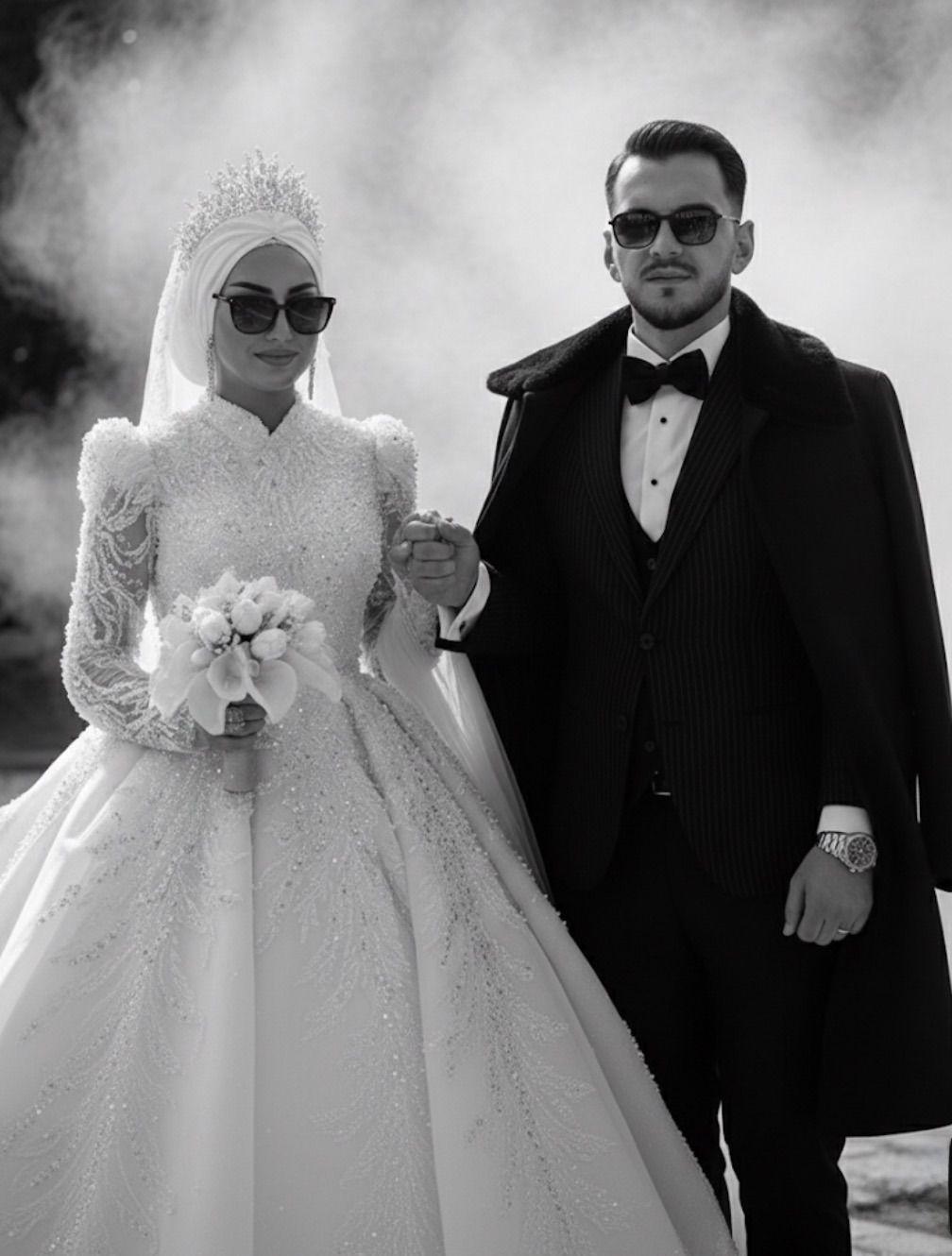
Yllza is from Tetovo and Medini from Gostivar — neighbouring cities in western North Macedonia, and they had lived their whole lives without meeting. They matched on 10 October 2024 while he was away for work in Bosnia, then spent about a month talking only by phone. Their first meeting lasted an hour and a half. They were engaged forty-three days later, married with a flag and a def, and Yllza has since received her visa to join him in Germany.
Rifat & Ela: a work visa, a lonely December, a family
Rifat left Malisheva for Germany at twenty-one with a suitcase and a work visa, and delivers bread for a bakery before the city wakes up. His first December away was cold in more than one way; he found dua.com scrolling TikTok at night. Ela, a make-up artist in Ferizaj, wanted nothing to do with dating apps until her cousins wore her down. One like, then a meeting in Ferizaj that changed everything. They are raising two children in Germany now.
Besarta & Shkëlqim: Lipjan and Kumanovo, by way of Switzerland
Besarta had built a career in marketing and politics in Kosovo and assumed dating apps were for something else entirely. She downloaded dua.com in March 2021, one day before turning thirty, and matched with Shkëlqim within four days. He was from Kumanovo but raised and schooled in Switzerland, and doubted anyone would start a new life for him. Their paths crossed in Tirana. They are married in Switzerland now, with a family.
Dodona & Benni: one year from match to marriage
Dodona was raised in Switzerland with roots in Pristina; Benni was born in Aargau to a Swiss father and an Albanian mother from Gjakova, and always knew he wanted the marriage his parents had. She had installed the app the day before. His first message was simply “Do – Dona?”. A week after matching they deleted the app together; their first evening in Zurich then ran to seven hours. He proposed in a snowstorm in Brezovica, they married in 2025, and their daughter now carries the name of the platform that introduced them.
Watch: Gentiana and Xhemajl tell their story
Gentiana, an HR professional raised in Berlin, and Xhemajl, an entrepreneur living in Hamburg, both had roots in Pristina — the same origin, at opposite ends of the country they actually lived in. Their first call lasted six hours. After a difficult six-month separation they chose one another again, became engaged on 3 October 2024 and married in Pristina in July 2025.
Practical directory for Albanians in Austria
Primary and community-run resources covering diplomacy, work, language and civic life. Always verify current requirements on the linked site.
| Need | Where to start | Why this source |
|---|---|---|
| Albanian consular services | Embassy of Albania in Vienna | Official Albanian diplomatic mission |
| Kosovo consular services | Kosovo’s missions in Austria | Official mission directory |
| Working in Austria | migration.gv.at | Federal portal for the Rot-Weiß-Rot-Karte, quotas and shortage occupations |
| Citizenship rules | Federal Ministry of the Interior — Staatsbürgerschaft | Official statement of requirements and exceptions |
| Albanian classes for children | schule mehrsprachig (BMBWF) | Federal information on mother-tongue teaching, including Albanian |
| Community news | albinfo.at | The Albanian community’s main Austrian news platform |
| Diaspora organisations | Albanian National Diaspora Agency directory | Official directory of associations and clubs |
The full ledger: what “100,000” does — and does not — claim
Everything above told the story. This section shows its accounting. More than 100,000 is the page’s description of the community; about 75,000 is what the two official measures can show together.
The two coefficients this page uses
The model applies exactly two assumptions, both stated and both sourced. The first is North Macedonia’s 2021 census finding that 66.36 percent of its registered nonresident population identified as Albanian — a diaspora-wide figure, not an Austria-specific survey, but far more defensible than treating all 32,253 North Macedonia-born residents as Albanian, or than applying the roughly 24 percent resident share to a population defined by emigration. The second is Austria’s own published figure that 15.4 percent of foreign nationals were born in Austria, applied to the three citizenship rows to estimate the second generation still on a foreign passport. Kosovo and Albania enter at their full published values with no coefficient at all.
Why birthplace is the better base — and where it still fails
Country of birth counts the first generation regardless of what passport they now hold, which is why it is the foundation here. But it cannot see anyone born in Austria, and Austria’s community is old enough that this is a large blind spot. Conversely, citizenship counts Austrian-born children who kept the family passport, but loses everyone who naturalised. Neither measure alone is the community; combined, and with the overlap acknowledged, they give a floor of roughly 75,000.
The routes that stay visible but count zero
A route enters the subtotal only when Austria publishes a population figure and a defensible ethnic split exists. Where either is missing, the row is listed and contributes nothing.
| Route | What Austrian data shows | Why no number is added | Treatment |
|---|---|---|---|
| Serbia / Preševo Valley | 141,785 Serbia-born residents and 122,527 Serbian citizens in Austria | Serbia’s roughly 0.9% resident Albanian share is not an Austria-diaspora share, and Preševo-origin migration is not separately recorded | Listed, not added |
| Montenegro | 2,240 Montenegro-born residents; Montenegro’s 2023 census recorded 4.97% Albanians | The Austrian row is small and no Austria-specific ethnic split exists | Listed, not added |
| Naturalised families | 10,597 naturalisations from the four Albanian-origin states, 2014–2025 | Their Austrian-born children appear in no origin row; adding the flow to a stock would double-count the parents | Context only |
| Third generation | No Austrian table follows origin beyond birthplace and citizenship | Grandchildren of the 1960s guest workers are, statistically, simply Austrian | Invisible |
One data break to be honest about
Between 1 January 2025 and 1 January 2026, Austria’s Kosovo-born count rose by 3,045 to 39,298 — far above its recent trend of roughly 800 a year — while Serbia-born fell by 2,727. There was no comparable jump on the citizenship side, and the number of residents with an unknown country of birth fell from 15,674 to 7,094 in the same step. This has the signature of a coding revision — records previously filed under Serbia or under no country at all being resolved to Kosovo — rather than a sudden wave of arrivals. It does not change the community’s size; it changes which row describes it. Readers comparing this page with an older Austrian figure should know that the 2026 Kosovo-born number sits on the far side of that revision.
An independent check that does not depend on passports
The 16,412 pupils who name Albanian as their first everyday language cannot be added to the model — many of them are already inside the birthplace and citizenship rows, and some hold Austrian passports. But they cannot be explained by 61,444 passport holders either, especially once you note that the figure excludes every bilingual household where German is the dominant language. Together with the unadded routes, that is what makes more than 100,000 the honest description of the living community.
The purpose of this ledger is not to weaken the story but to show where it begins. Austria, unusually, gives us two honest measures. Used together and stated plainly, they show a community of roughly 75,000 that the state can see — and a larger one, past 100,000, that it has never been designed to count.
Frequently asked questions about Albanians in Austria
How many Albanians live in Austria?
More than 100,000 is the most credible description. About 75,000 are directly visible: 78,074 residents were born in Kosovo, North Macedonia or Albania (with the North Macedonia figure weighted for its Albanian share), plus an estimated 8,000 born in Austria who still hold one of those passports. Austria does not record ethnicity, so no official ethnic-Albanian total exists.
Why does Austria have two different numbers for the same community?
Because it publishes both citizenship and country of birth. On 1 January 2026, 61,444 people held Kosovar, North Macedonian or Albanian citizenship while 78,074 had been born in those countries. The 16,630 difference is mostly people who were born there and have since become Austrian. Germany has no equivalent register-based annual birthplace series by origin country.
Which Austrian state has the most Albanians?
Vienna, on the combined measure: 26,970 residents born in Kosovo, North Macedonia or Albania. But Upper Austria holds more Kosovo citizens than Vienna does — 8,216 against 7,501 — and on Kosovo birthplace the two are level. Vienna, Upper Austria and Lower Austria together hold about three-quarters of the community.
When did Albanians first come to Austria?
Individual figures much earlier — Carl Ritter von Ghega built the Semmering Railway in the 1850s — but the modern community began with the Austrian–Yugoslav recruitment agreement signed in Vienna on 19 November 1965, three years before West Germany’s. Albanians from Kosovo and western North Macedonia arrived recorded only as Yugoslavs.
Can I keep my Kosovar or Albanian passport if I become Austrian?
Generally no. Austrian law grants citizenship only conditionally until you prove you have given up your previous nationality, and bars it outright if you do not take the necessary steps. Narrow exceptions exist, notably for descendants of victims of Nazi persecution under §58c. This is the main reason Austria’s naturalisation rate is among the lowest in Europe.
How many Albanians become Austrian citizens each year?
In 2025, Austria naturalised 414 former Kosovo citizens, 272 North Macedonian, 105 Albanian and 11 Montenegrin. Across 2014–2025 those four origins produced 10,597 new Austrians in total. Austria’s overall naturalisation rate in 2025 was 0.8 percent of the foreign resident population.
Can Albanians in Austria vote?
Only if they hold Austrian citizenship — there is no local franchise for third-country nationals, and Vienna’s 2003 attempt to create one was struck down by the Constitutional Court in 2004. At Vienna’s April 2025 city election, 610,795 residents of voting age (35.6 percent) could not vote. Separately, 27,082 Viennese adults were born in Austria without an Austrian passport (start of 2023).
Where can children learn Albanian in Austria?
Through Austria’s state-supported mother-tongue teaching, which has offered Albanian since 1987 and by 2018/19 reached 1,651 pupils with 22 teachers — the fourth-largest of 26 languages in the system. Provision is strongest in Upper Austria, Styria and Vienna. The BMBWF’s “schule mehrsprachig” portal lists current arrangements.
Can citizens of Kosovo work in Austria?
Yes, through defined routes. The Saisonkontingentverordnung 2026 reserves 2,500 seasonal places specifically for citizens of Bosnia, Kosovo, Montenegro, North Macedonia and Serbia, on top of a 5,500 tourism quota. Skilled workers can apply for the Rot-Weiß-Rot-Karte under the annual shortage-occupation list. Austria has no direct equivalent of Germany’s Western Balkans Regulation.
How much money do Albanians in Austria send home?
Weighting the Central Bank of Kosovo’s monthly country shares by its monthly totals puts about €59.1 million from Austria in 2025 — 4.18 percent of Kosovo’s total inflow and the fourth-largest source country after Germany, Switzerland and the United States. The bank publishes that split as monthly percentages only, so the euro amount is our arithmetic. That is up 154 percent from €23.2 million in 2015, and roughly €671 million has flowed from Austria to Kosovo since 2009.